PRIVATE INVESTIGATOR LA TOUR Private Investigator in La Tour Enquiries – Surveillance – Investigations – Evidence 5.0/5 Google reviews 06 14 07 09 25
Illustration of a private investigation scene near the La Tour town sign.
Surveillance & Field Investigations · Private Investigator in La Tour
LA TOUR · 06420 · Nice office

Private Investigator in La Tour

Surveillance and private investigations in La Tour for individuals, businesses and solicitors. Our Nice office coordinates your case.

Call the agency

Immediate response · Free quote · Advice tailored to your case

CNAPS licensed Nice office Director trained in law 10 years of experience Investigation reports For your lawyer Professional secrecy Strict confidentiality
Tailored investigations · Alpes-Maritimes (06)

Our private investigation services in La Tour

Our investigators document facts for family and business cases in La Tour. Explore our surveillance, mobile observation and address tracing services.

Individuals

Family, assets and loved ones

Adultery and divorceView serviceClose

Case law

In this case, a private investigator’s report was submitted alongside a formal record and messages. The adultery was also admitted. The case illustrates the value of corroborating observations with other evidence.

French Court of Cassation, First Civil Chamber, 16 January 2019, no. 17-31.740 ↗

What the investigation can establish

Objective evidence of infidelity and breaches of marital duties under Article 212 of the French Civil Code can support a fault-based divorce case before a family court judge.

A targeted investigation can document journeys, meetings or circumstances observable in public places to inform your lawyer’s case. The report draws a clear distinction between verified observations and assumptions.

How the investigation works

  1. Agree the relevant facts with your lawyer and assess the locations in advance.
  2. Make lawful observations in places accessible to the public.
  3. Provide a dated chronology and the relevant photographs.

What you receive

Your lawyer can assess whether to submit the findings as evidence. In divorce proceedings, evidence obtained through violence or fraud is excluded.

Child custodyView serviceClose

Background to the investigation

We check a child’s actual living arrangements, safety and care during visits and overnight stays, with the child’s best interests in mind.

What the investigation can establish

Where there is a legitimate interest, a proportionate enquiry can help locate a parent or establish repeated failures to comply with contact or overnight arrangements.

How the investigation works

  1. Review the existing order or judgment.
  2. Identify the specific events that need checking.
  3. Make discreet observations with due regard for the children.

What you receive

The report sets out when the events took place and in what circumstances. Your lawyer can assess their relevance to your family case.

Child maintenanceView serviceClose

Case law

When assessing a family’s circumstances, the court relied on an investigation report that established cohabitation. It upheld the amount of child maintenance. A report can clarify the circumstances without, by itself, resulting in a change to payments.

Lyon Court of Appeal, 19 March 2012, no. 10/03311 ↗

What the investigation can establish

Evidence of undeclared work, a concealed standard of living or an openly established cohabiting relationship can support a request to review child maintenance or a compensatory payment on divorce.

Lawful enquiries into employment or apparent undeclared activities can help document an application to review child maintenance or a compensatory payment.

How the investigation works

  1. Cross-check information from public and lawfully accessible sources.
  2. Verify the facts on the ground.
  3. Bank accounts and protected tax records are outside the scope of the enquiry.

What you receive

The report sets out the facts gathered about activities or apparent living standards, for consideration alongside the other evidence.

Tracing a personView serviceClose

Case law

An investigation report was submitted as evidence of an apparent place of residence in a dispute over jurisdiction. The Court of Cassation dismissed the appeal. On privacy, it noted that the Court of Appeal had never been asked to examine the point later raised before it.

French Court of Cassation, First Civil Chamber, 25 March 2026, no. 24-17.409 ↗

What the investigation can establish

We use records and on-site checks to verify addresses for debtors, heirs or missing relatives where there is a legitimate reason for the enquiry.

A tracing enquiry can help locate a beneficiary of an estate, a debtor or a relative where there is a legitimate family reason for making contact.

How the investigation works

  1. Review the identifying details and leads you provide.
  2. Search records through lawfully accessible sources.
  3. Verify the identified address in person.

What you receive

You receive an account of the checks and their outcome. Whether an address can be disclosed depends on the reason for the request and the applicable data protection requirements.

Businesses

Operations, employees and assets

Suspected sick leave abuseView serviceClose

Case law

The judges relied on an investigation report and corroborating evidence to establish that an employee had worked for a competitor while on sick leave. The Court of Cassation dismissed the appeal.

French Court of Cassation, Employment Chamber, 28 January 2015, no. 13-18.354 ↗

What the investigation can establish

We conduct proportionate checks into suspected paid work or work for a competitor during sick leave, alongside any independent medical assessment.

When an employer has specific indications of a breach of loyalty, an investigation can document suspected paid work or work for a competitor.

How the investigation works

  1. Review the need for the enquiry with the employer’s lawyer.
  2. Make non-intrusive observations from outside, without collecting any medical information.
  3. Date and cross-check observations in a factual report.

What you receive

Seeing someone go out or take part in an activity does not establish misuse of sick leave. The report describes what happened. The company’s lawyer assesses its significance.

Unfair competitionView serviceClose

Case law

In an unfair competition dispute, the court examined a private investigator’s observations alongside other evidence supporting an application for a pre-trial evidence-gathering order.

Caen Court of Appeal, 4 April 2002, no. 01/01952 ↗

What the investigation can establish

We document diversion of customers, large-scale poaching of employees or breaches of a non-compete clause in La Tour and in nearby towns.

We gather dated observations and tangible evidence to help the company’s lawyer prepare an application for an evidence-gathering order or bring a claim before the commercial court.

How the investigation works

  1. Define precisely which facts need documenting.
  2. Carry out field enquiries into observable business approaches.
  3. Keep a clear record of the evidence and provide a detailed report.

What you receive

The report distinguishes the approaches actually observed from the initial suspicions so your lawyer can assess the available options.

Internal theft and fraudView serviceClose

Case law

The court examined a private investigator’s report and took account both of the fact that the employee had been told checks might take place and of the limited scope of the observations.

Amiens Court of Appeal, 13 March 2024, no. 22/05060 ↗

What the investigation can establish

We investigate missing goods, misappropriation of equipment and falsified expense claims in accordance with the French Labour Code.

Document a specific incident, such as misappropriated goods or losses in the supply chain, within a defined scope and without general or indiscriminate monitoring of staff.

How the investigation works

  1. Define the scope of the investigation.
  2. Make targeted observations in line with employment law.
  3. Provide a chronological report that your lawyer can use.

What you receive

The findings focus on the identified irregularities and are presented chronologically within the scope agreed in the engagement.

Commercial disputesView serviceClose

Case law

In commercial matters, the Court held that, when the issue is raised, the judge must assess whether it was necessary to produce the disputed evidence and whether the interference with rights was proportionate. This is a general principle of evidence.

French Court of Cassation, Commercial Chamber, 12 February 2025, no. 23-18.415 ↗

What the investigation can establish

We investigate solvency before legal action, verify assets and trace addresses for company directors or debtor companies.

Verify whether a business is operating, whether it has a physical presence and which facts may help with negotiations or debt recovery.

How the investigation works

  1. Conduct detailed research using documents and lawful sources.
  2. Carry out checks on site.
  3. Cross-check the findings and summarise the facts.

What you receive

The summary distinguishes verified facts from outstanding questions. It can inform negotiations or debt recovery.

Legal professionals

Support with gathering evidence

Evidence gatheringView serviceClose

Case law

The Court held that a civil judge may examine disputed evidence in light of the fairness of the proceedings. Where producing it interferes with another right, its production must be indispensable and the interference strictly proportionate.

French Court of Cassation, Plenary Assembly, 22 December 2023, no. 20-20.648 ↗

What the investigation can establish

We prepare detailed, dated reports supported by photographs for use in court, in accordance with Article 9 of the French Code of Civil Procedure.

We plan the investigation around the facts to be established and the documents already on file, then provide the client with a chronological report.

How the investigation works

  1. Discuss the background to the dispute.
  2. Agree a precise and proportionate scope of work.
  3. Provide a chronological report with photographic exhibits.

What you receive

The report distinguishes direct observations from information that still needs checking. The client may authorise us to send it to their lawyer.

Pre-trial investigationsView serviceClose

Case law

The court examined a private investigator’s observations when assessing the legitimate grounds for an evidence-gathering order under Article 145 of the French Code of Civil Procedure. The decision to grant the order rests with the judge.

Caen Court of Appeal, 4 April 2002, no. 01/01952 ↗

What the investigation can establish

Preliminary investigations can support an application under Article 145 of the French Code of Civil Procedure, for example for a court-authorised formal record by a judicial officer.

We work alongside the judicial officer to provide verified background facts supporting a legitimate need to preserve or establish evidence before proceedings begin.

How the investigation works

  1. Identify the evidential issue.
  2. Gather observable facts using proportionate means.
  3. Prepare a structured factual summary for an application or interim proceedings.

What you receive

The report can help the lawyer assess whether to seek a pre-trial order. The judge decides whether to grant it.

Family casesView serviceClose

Case law

In this divorce case, the report was submitted with other evidence, including messages. The significance of each observation depends on the circumstances of the family case.

French Court of Cassation, First Civil Chamber, 16 January 2019, no. 17-31.740 ↗

What the investigation can establish

Targeted surveillance and asset enquiries to support the law firms handling the case.

Support the lawyer’s strategy with precise observations that respect the privacy of those involved.

How the investigation works

  1. Agree the scope of work with the lawyer.
  2. Limit observations to the relevant facts.
  3. Keep a precise record of dates, times and places.

What you receive

Depending on the agreed scope, the report focuses on facts relevant to separation, the child’s residence or the parties’ financial means.

Employment disputesView serviceClose

Case law

The investigation report was among the evidence examined to establish that work had been carried out for a competitor. The observations were assessed alongside the other evidence in the case.

French Court of Cassation, Employment Chamber, 28 January 2015, no. 13-18.354 ↗

What the investigation can establish

We gather relevant facts for French employment tribunal proceedings using proportionate means, in line with Court of Cassation case law.

Gather proportionate evidence for proceedings before an employment tribunal or commercial court.

How the investigation works

  1. Confirm the legal scope before starting work.
  2. Make targeted and dated observations.
  3. Provide a detailed report with supporting documents for the lawyer.

What you receive

You receive a chronology of the observations and the relevant exhibits. The judge assesses the admissibility and evidential weight of the report.

Free quote · VAT included

Transparent fees

Surveillance packages at the same rate for nights, weekends and public holidays.

Investigation fees in La Tour

Tracing

Address tracing

Records search and on-site verification €1,290 incl. VAT
Focused10-hour package Field surveillance €1,290 incl. VAT Recommended30-hour package Field surveillance €3,690 incl. VAT Extended60-hour package Field surveillance €7,290 incl. VAT
What the package covers

Included in the package

  • Field surveillanceFieldwork carried out by a CNAPS-licensed investigator.
  • Preparation and site assessmentWe check access and prepare the fieldwork.
  • Case fee includedThe price includes the €90 case fee.
  • Travel includedMileage is included in the price.
  • No out-of-hours surchargeNights, weekends and public holidays are included.
  • Investigation report and exhibitsA detailed report and photographs for your lawyer

Terms

Minimum of 5 hours per assignment session.

Personalised quotes are available for longer investigations.

Call for a free quote
Testimonials · Google

Client reviews in La Tour

Our Nice office handles investigations in La Tour. The Google rating is for this office. The testimonials are from the CONFIDENCIA network.

Google rating for our Nice office

5.0/5

Testimonials from the CONFIDENCIA network

Credentials and CNAPS authorisation

The office serving La Tour

The Nice agency coordinates investigations in La Tour.

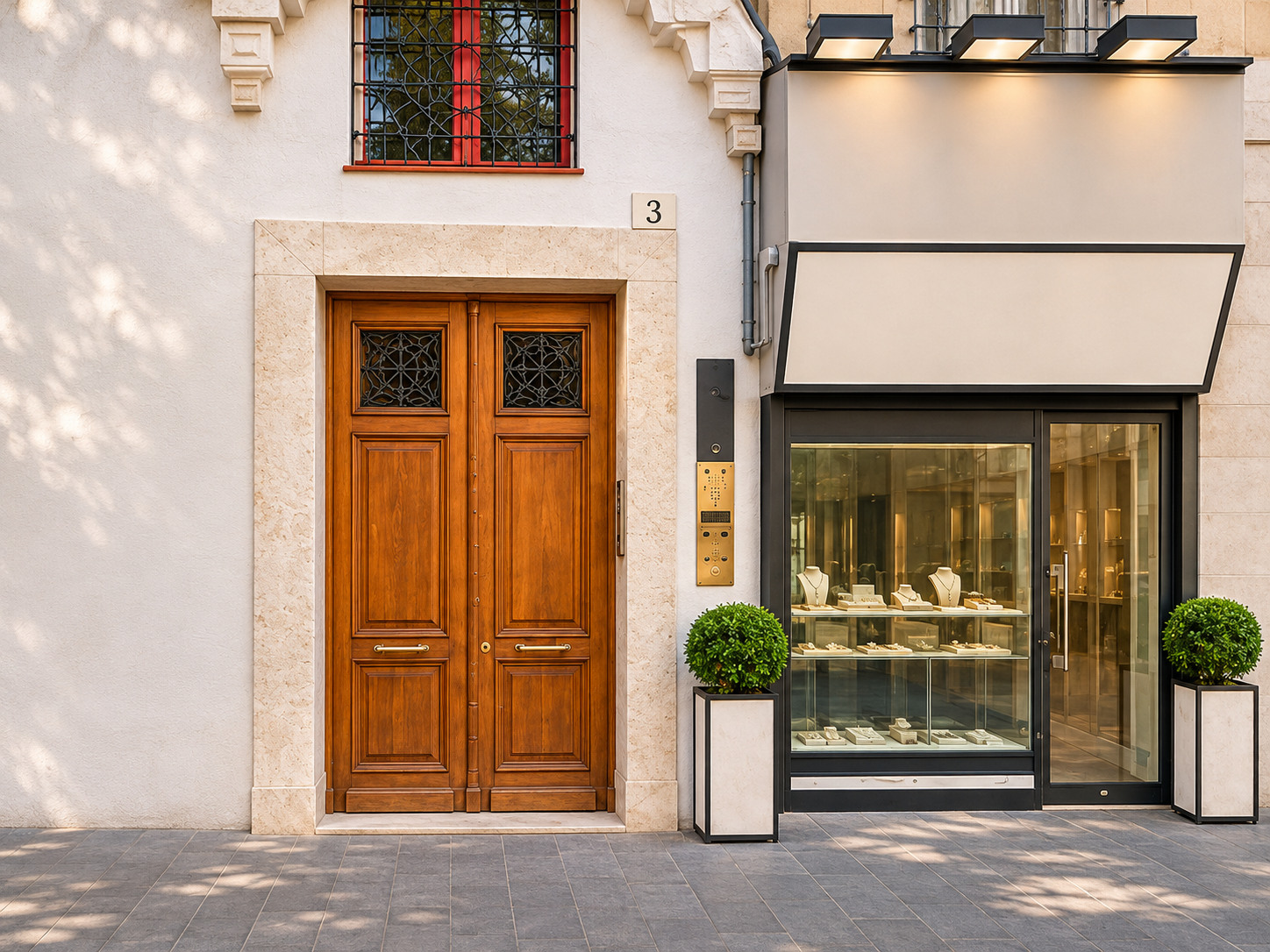
3 place Masséna, 06000 Nice

View our Nice office

Retouched view of the entrance to 3 place Masséna in Nice, home to the CONFIDENCIA agency.

Benoit Avril

Agency director

LinkedIn profile
  • Law · Université de Nîmes
  • Management · École Nantaise de Commerce
  • Over 10 years’ experience · Speaks French and English
Registration and licences SIREN753 071 109 Nice SIRET753 071 109 00056 APE activity code8030Z — Investigation activities CNAPS operating licenceAUT-006-2118-08-05-20190709168 Director’s licenceAGD-006-2027-05-18-2022571344 Professional cardCAR-006-2027-05-09-20220571344
Local coverage

Areas we cover in La Tour

The surveys in La Tour are coordinated by the Nice agency, depending on the location and slots relevant to the case.

Local landmarks in La Tour

"Place du Puits" and "Place de l'Église" are two landmarks of La Tour. At the first exchange, indicate the sector concerned, the date and what was recorded on the spot. This allows the Nice agency to distinguish an appointment in the commune from a correspondence address.

Clans and Utelle are two communes bordering La Tour. If your request concerns several addresses around La Tour, the pages below allow you to find each sector and its interlocutor.

Call the agency

Neighbourhoods

  • Place du Puits
  • Place de l'Église
  • Place du Monument
  • Route de la Tinée
  • Route des avoucats
  • Route des Granges
  • Rue Longue
  • Rue Principale
  • Rue du Roubinas
  • Rue du Courtaves
  • Village de La Tour
  • Village de Roussillon

Neighbouring municipalities

  • Clans
  • Tournefort
  • Utelle
Guidance and examples

Resources

How to prepare your enquiry and what to expect from an investigation report.

Investigation reportsTwo fictional cases in La Tour

These are fictional scenarios. The photographs illustrate the actions and situations described.

Workplace investigationThe laths of the bodyRead the reportClose the report

Fictional assignment · 07:25–12:40 · 5 h 15 min

Background and brief

An employer receives information that an absent employee would set up shipping funds. The example follows the only gestures visible around an outer table. In this fictional example located in La Tour, the request relates to the succession of facts observable during the agreed range. The account is recorded at the opening of the file so that the reader can compare it with subsequent observations. A and B refer exclusively to adults in this fictional example. The five illustrations accompany the reading of the chronology and do not represent any person who has entrusted a business to the agency.

Timeline of observations

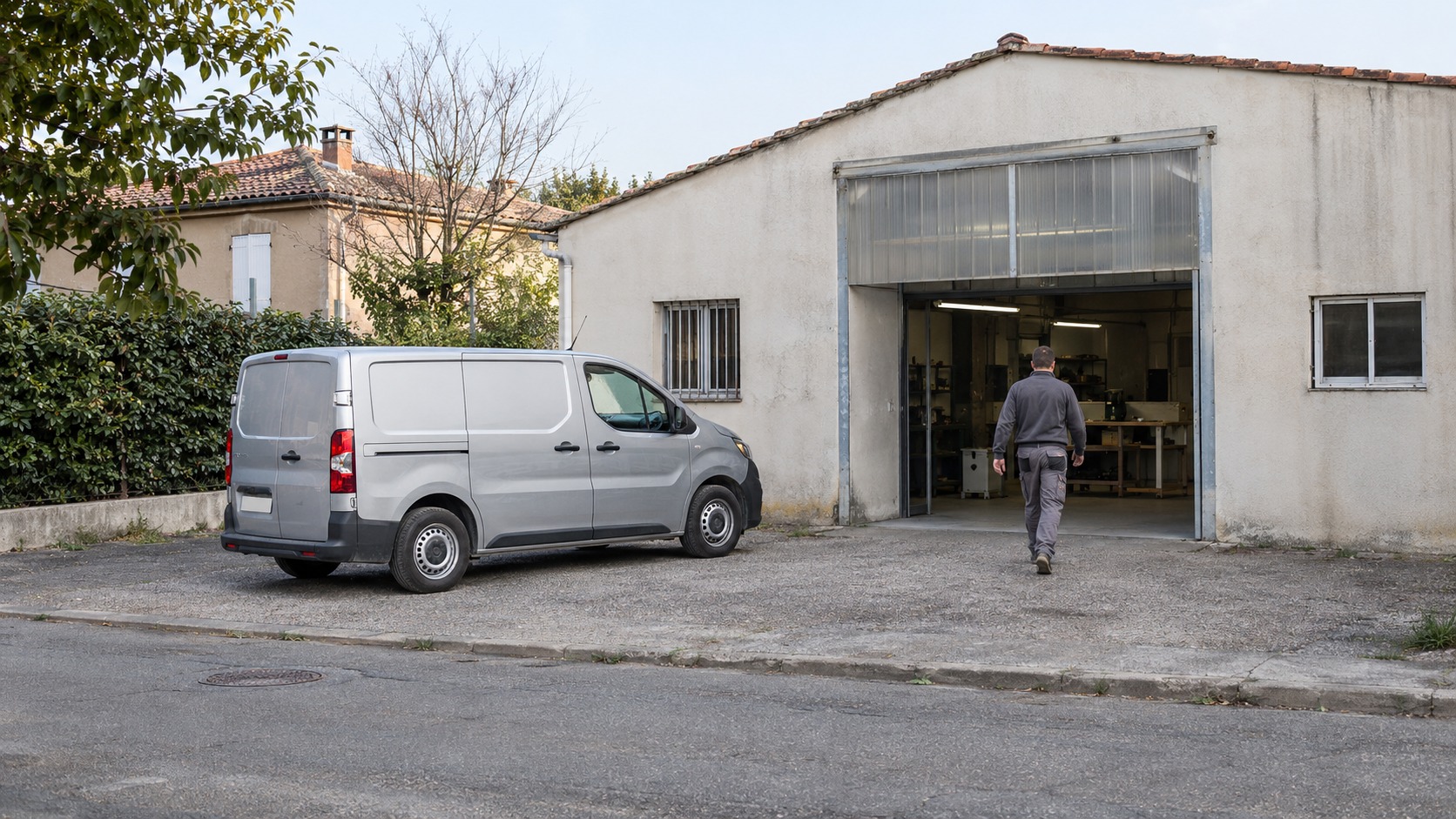
  1. 07:25

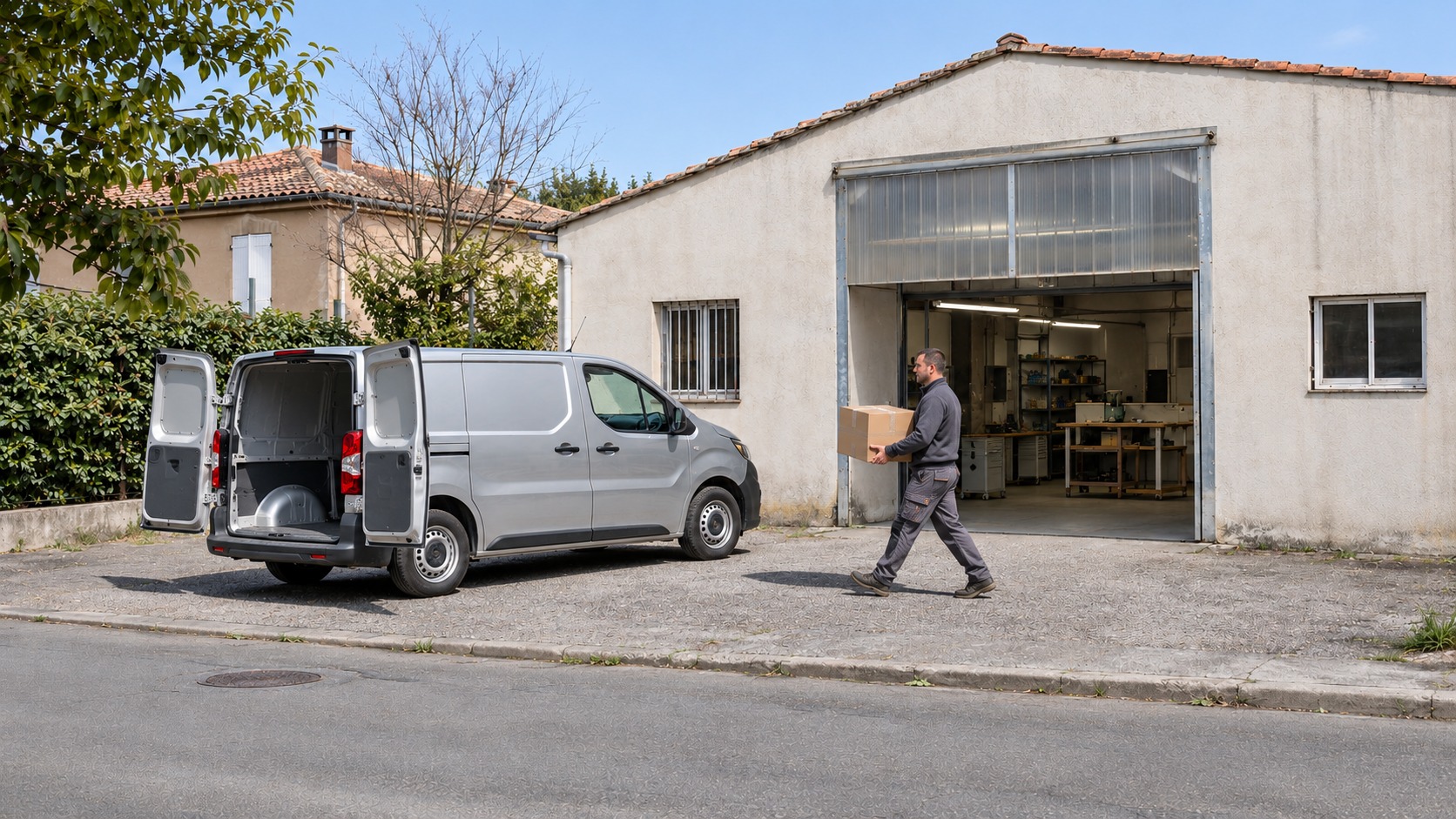
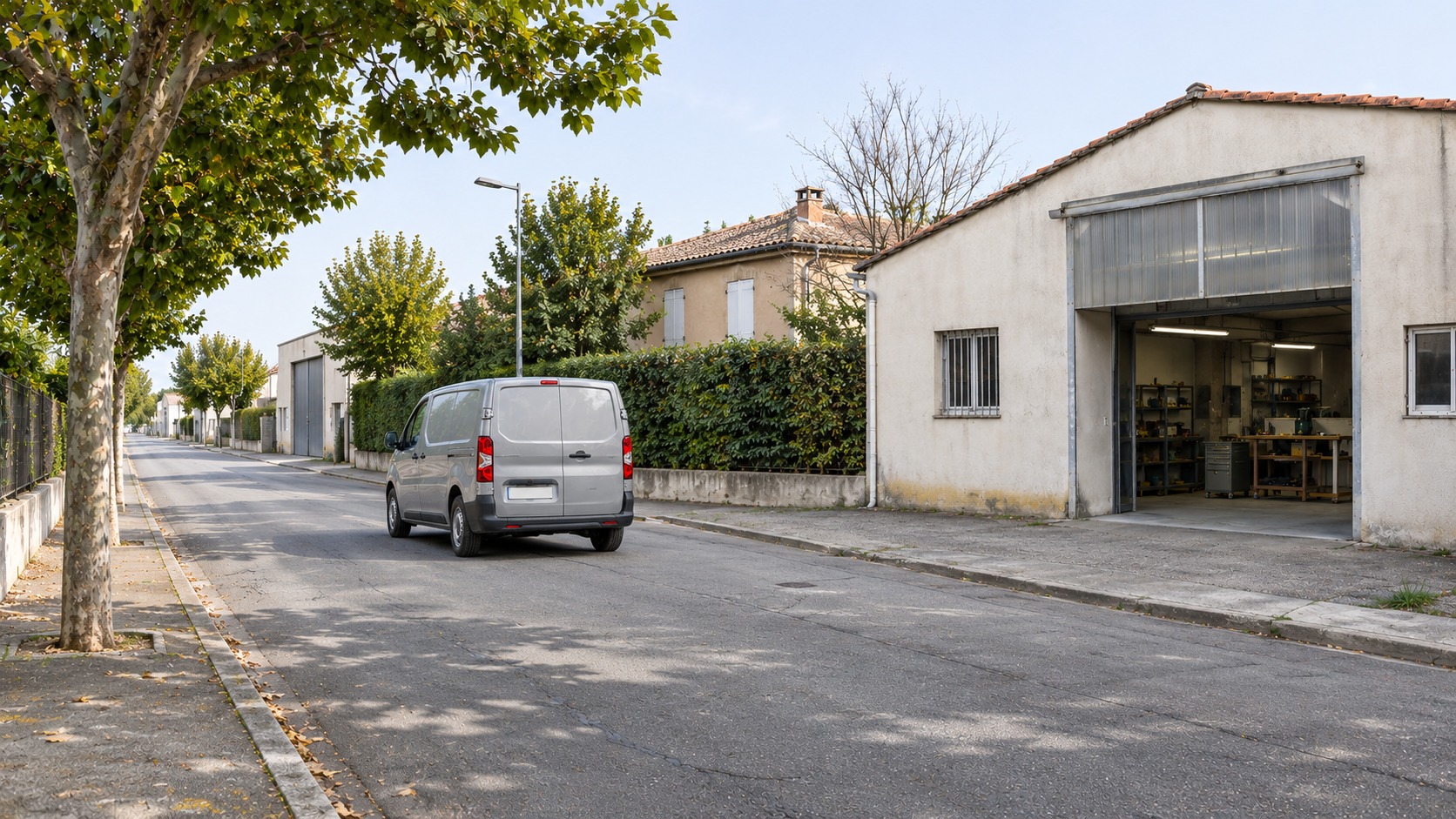
    Vehicle stationary

    Several slats are already stacked near the van. The number of slats hidden by the vehicle remains unknown. This first schedule sets the beginning of the statement. An arrival prior to the observer's first pass would remain possible. The time of presence and time of arrival are therefore kept in separate items as soon as one of the two is absent. The meeting place is located in the commune, near the reference frame “Pouch du Puits”. This name locates the fictional scenario. No activity is attributed to the inhabitants or settlements in this way.

    Fictional case illustration: A van parked outside a workshop.
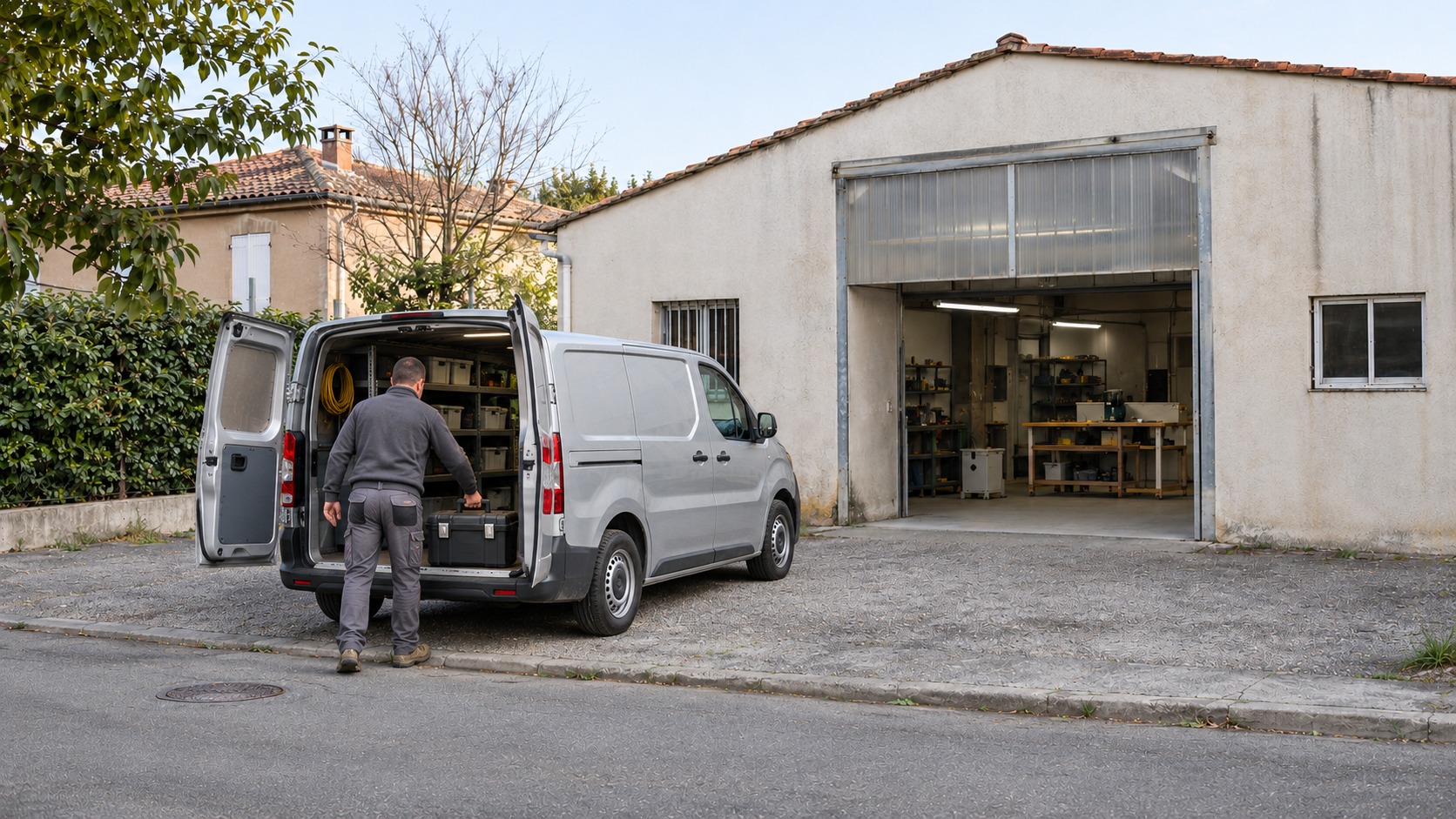
  2. 08:05

    Preparation near the trunk

    A takes out a box of the trunk and lay it next to the battery, without moving the slats. The order of the gestures counts to answer the initial question. The paragraph reproduces the protagonists in their letter so that each movement can be attributed accurately. No verbal instruction is transcribed without being clearly perceived.

    Fictional case illustration: Preparing equipment at the back of a van.
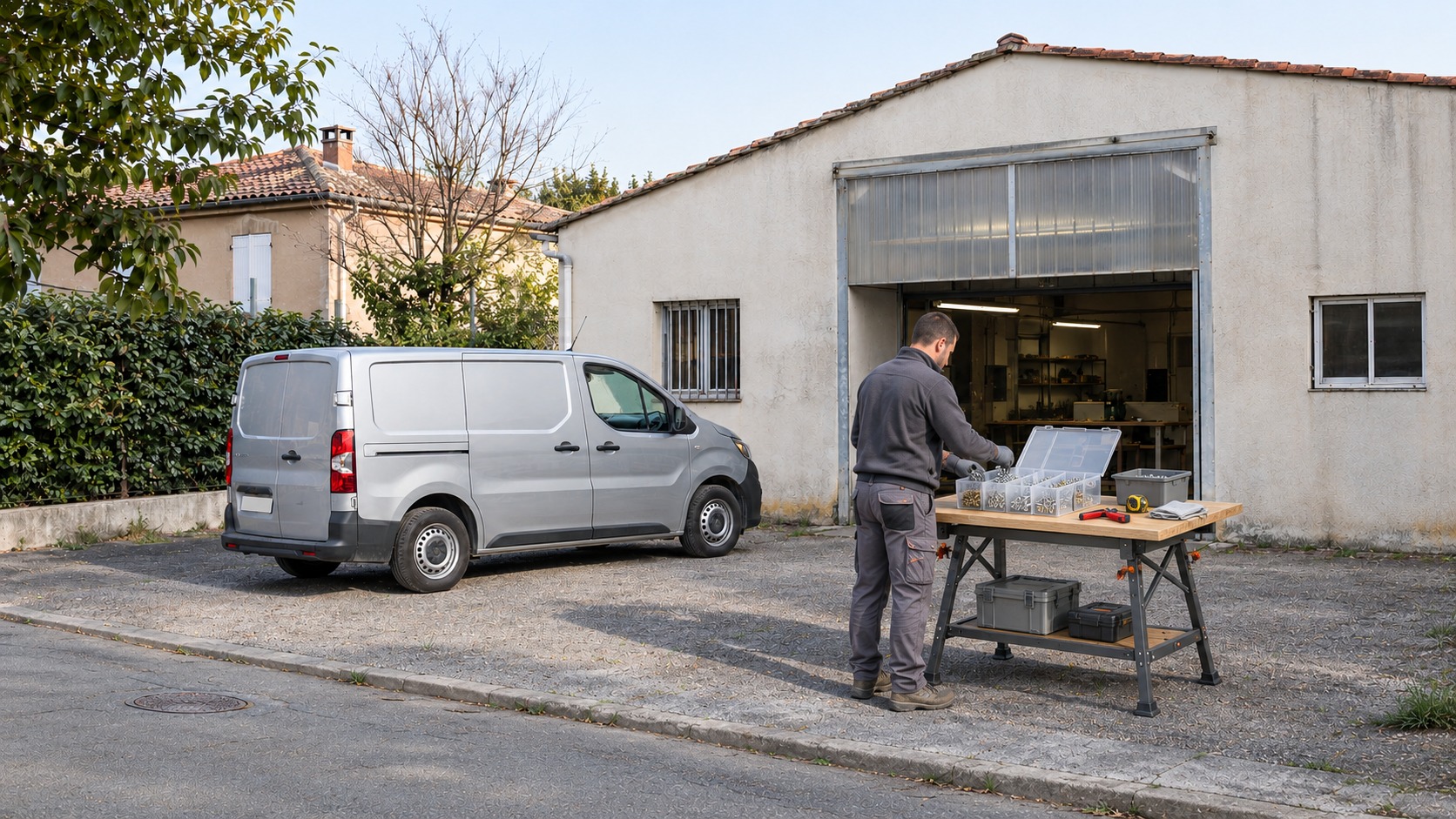
  3. 09:15

    Parts on the work surface

    Two pieces are aligned by hand on a flat surface. No hole or nailing appears. The reader finds here an observation schedule, not an estimate of the total time spent in this situation. The visible passage is described in itself. The investigator shall separate from the information that the client had provided to him or her on what had happened before. The investigator checks this entry against the observations immediately before and after it. When an object is briefly out of sight, the investigator cannot establish that it changed hands or was replaced. The report does not reproduce the conversation.

    Fictional case illustration: Sorting small parts while wearing gloves.
  4. 10:40

    The box is carried

    A box is carried to the door. The visible slats remain stacked. Seeing the same people or objects again does not fill a gap in the observation record. Between two hours, the report did not supplement the out-of-the-visory movements or exchanges whose terms no one had heard.

    Fictional case illustration: Carrying a box to a van.
  5. 12:40

    Departure from the van

    The van moves away. The pile of laths is always close to the table. This step closes the chosen time slot with the client. The account describes the departure up to the point where the vehicle was last visible. No private journey, subsequent address and duration beyond that last time shall be attributed to adults. At the fencing, the reader can distinguish the time of the last observation from that of a possible return to the point of departure. Only the first is included in the statement.

    Fictional case illustration: A van leaving.

Summary

The presence and sorting of documents are documented. No assembled body is identified during the observed range.

When reporting back to the client, the investigator gathers the initial request, the five observations and the limits of the observation period. The whole can be read with the client's legal adviser, who will appreciate the elements relevant to his case by retaining the reservations that accompany each step.

Family investigationThe rendezvous marked on the notebookRead the reportClose the report

Fictional assignment · 12:15–18:00 · 5 h 45 min

Background and brief

A person suspects regular meetings after hearing a meeting book. The example is only a meeting between two adults. In this fictional example located in La Tour, the request relates to the succession of facts observable during the agreed range. The fictional mission takes place from publicly accessible locations. The report uses A and B to distinguish the fictional individuals from real people. Each of the five illustrations has its own time and description of what is visible.

Timeline of observations

  1. 12:15

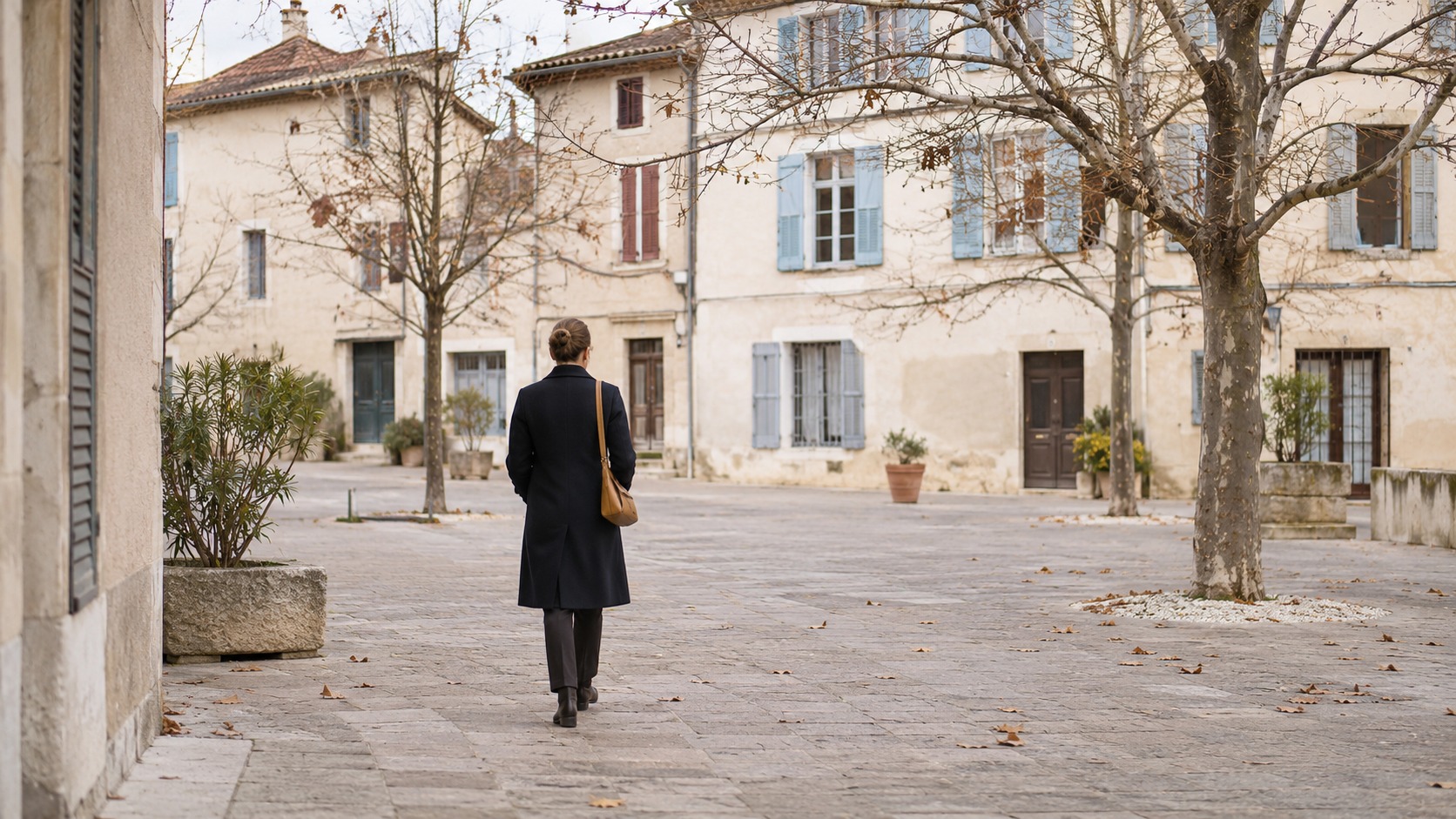
    Arrival on foot

    A arrives on foot by holding a closed notebook. The possible registration on the cover is illegible. The note begins with the first thing actually visible. The investigator had no earlier observation to compare it with. It would therefore be impossible to give this first observation a previous duration or to specify the path that preceded it. The meeting place is located in the commune, near the "Place de l'Église" mark. This name locates the fictional scenario. No activity is attributed to the inhabitants or establishments of this route.

    Fictional case illustration: Arriving on foot in a public place.
  2. 12:55

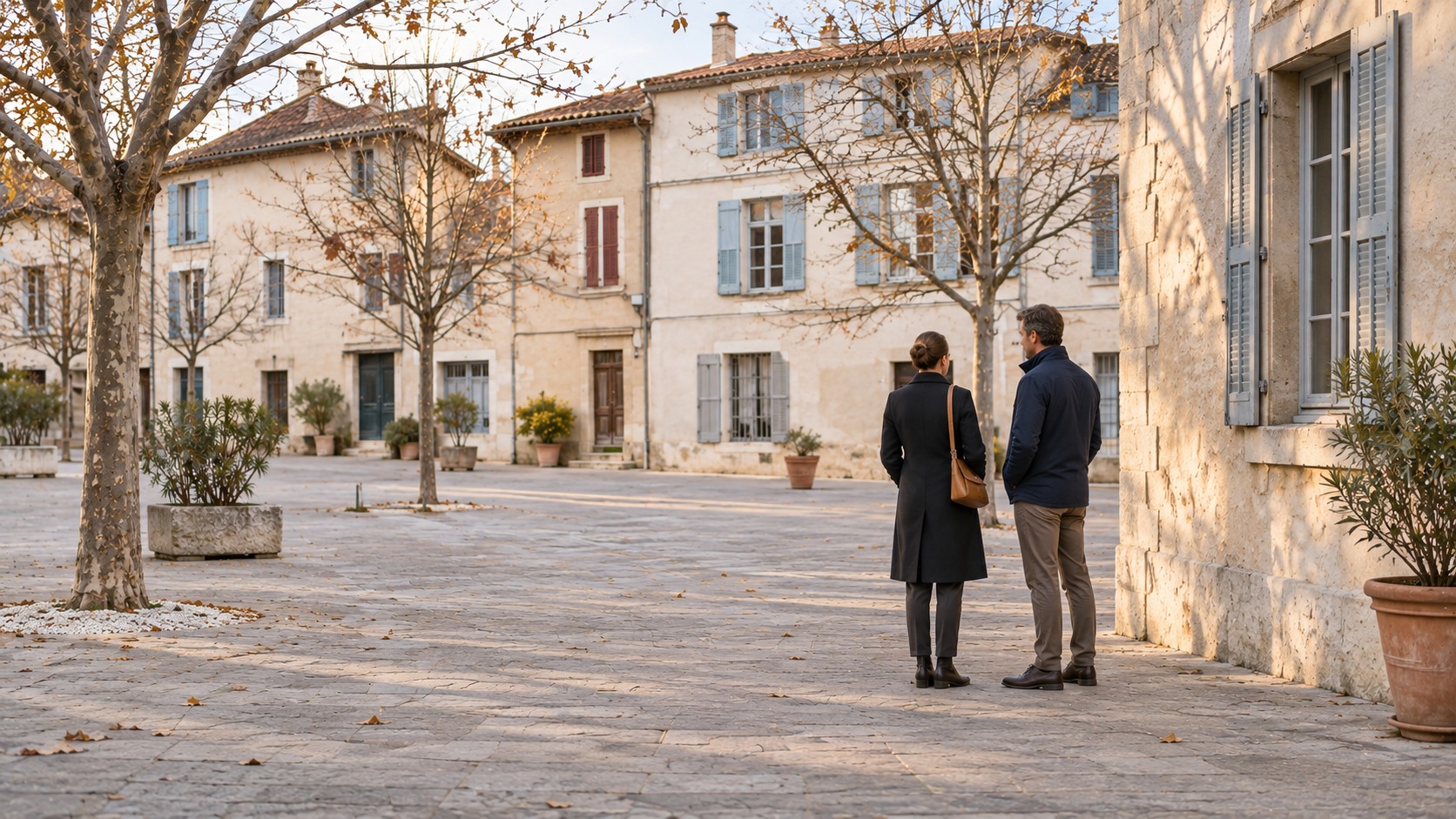
    The two adults meet

    B joins A and indicates with one gesture the direction of the terrace. This sequence gives the reader a new point in time. The note indicates only which adults are visible together and what each one does during this transition. The meaning of their exchange remains distinct from the description of their gestures.

    Fictional case illustration: Two people meeting in a street.
  3. 14:15

    Time at an outdoor table

    The carnet is open in front of A. The observer does not see any text and does not hear the conversation. The description is limited to what is perceptible at this distance. The report leaves a detail unidentified if it was too small to read or someone blocked the view. The investigator checks this entry against the observations immediately before and after it. When an object is briefly out of sight, the investigator cannot establish that it changed hands or was replaced. The report does not reproduce the conversation.

    Fictional case illustration: Two people seated at an outdoor table.
  4. 15:50

    Leaving the meeting

    The notebook is closed, then Stores it in its pocket when adults get up. This fourth point completes the chronology without describing what happened during the out-of-the-view intervals. The reader can bring it closer to the previous step and the next step, keeping in mind the limits of each observation.

    Fictional case illustration: Two people walking together.
  5. 18:00

    Departure by car

    B gets in a car. Walk in a different direction with the notebook. The report indicates the time at which the last useful element on demand disappears. The next location was not found. The date and position of the latter passage shall be retained so that a possible subsequent document can be examined without confusion. At the fencing, the reader can distinguish the time of the last observation from that of a possible return to the point of departure. Only the first is included in the statement.

    Fictional case illustration: Two people leaving in the same car.

Summary

The reading or registration of a specific appointment cannot be confirmed. The chronology describes an isolated encounter and two separate departures.

The recorded facts may be re-read individually, with their time and illustration. If the client brings another document, its provenance and date will have to be examined before it is brought closer to the observation period. No circumstance absent from the chronology completes the synthesis.

Use in court
In an actual case, the judge assesses the report’s admissibility and evidential weight in light of the circumstances, including the right to evidence and respect for privacy.

Frequently asked questionsInvestigations in La Tour · Nice office
Which package is recommended for an infidelity investigation?

For surveillance relating to suspected infidelity, the recommended package is 30 hours. The quote depends on the relevant time windows and how much surveillance is needed.

View fees and packages
How much does a private investigator in La Tour charge?

Address tracing costs €1,290 including VAT. Surveillance packages cost €1,290 for 10 hours, €3,690 for 30 hours and €7,290 for 60 hours. All prices include VAT.

View fees and packages
Is it legal to hire a private investigator?+

Yes. Private investigation in France is regulated by the Internal Security Code (Article L. 622-9). You can engage an agency licensed by CNAPS to protect a legitimate interest.

Can an investigation report be used in court?+

Yes. A report may be submitted as evidence in civil, family, employment or commercial proceedings. The judge decides whether to admit it and what weight to give it, considering whether producing the evidence was indispensable and any interference with rights was proportionate (French Court of Cassation, 22 December 2023, no. 20-20.648).

What should I prepare for an investigation in La Tour?+

To discuss an investigation in La Tour, call us or arrange an appointment at ourNice office. Note down the facts you want checked, the dates and locations you know and what you hope to establish. You do not need to send sensitive documents at this stage. If a lawyer is already assisting you, they can join the consultation.

What equipment does a private investigator use?+

Depending on the assignment, an investigator uses a notebook, a still camera or a video camera to document facts objectively from public space. The work must respect privacy under Article 226-1 of the French Criminal Code.

How soon can an investigation start in La Tour?+

We confirm the first available time once we have reviewed the facts to be checked, the location and our availability. We give a separate timeframe for delivering the report.

Can my solicitor receive the investigation report in La Tour?+

With the client’s consent, the agency can send the report and agreed exhibits to their lawyer. The report records the facts observed and the checks carried out.

Which office handles investigations in La Tour?

The Nice agency coordinates investigations in La Tour. The first exchange can be made by telephone or by appointment at local office.

Can I contact you at weekends?

Yes. You can reach the director on Saturdays and Sundays, from 08:00 to 20:00, on 06 14 07 09 25.

NewsNews from our Nice office
Confusion between two shops in Nice: documenting a potential competition issue+ Published on Monday, 16 November 2026

In a shopping district in Nice, two businesses may offer similar services and use similar visual branding.

At a glance

The first sign of confusion may come at the counter. Customers may be looking for the other shop, present a voucher issued elsewhere or call about a reservation your team cannot find.

To prepare an unfair competition enquiry, document the actual instances of confusion and the circumstances in which they arose.

Record misdirected enquiries as they happen

Ask staff to record the date, the channel and the words the client used without prompting. A complaint about another shop, a misdirected call and a delivery to the wrong address are distinct events. Keep the record simple and omit unnecessary customer contact details. Where a message was sent directly to you, retain the original with its context.

Follow the route a customer takes

Someone arriving on foot encounters different signs from someone looking up the shop on a phone. Record what is visible from the street. Separately record online results, the search terms and the date. Opening hours, street details or booking instructions alone may explain some discrepancies. A screenshot of the whole page shows what the client saw before clicking.

Compare names and materials over time

Gather your own dated materials, such as a shopfront photograph, an old leaflet or confirmation of a listing update. List the other business’s public material separately. Where names are similar, identify where the resemblance matters: lettering size, the description of a service, a map pin or the order in a directory. Keep a separate column for actual reports of confusion.

Give the private investigator a specific question

Your lawyer can assess the significance of the material. A focused enquiry for our Nice agency might ask whether directions available to the public regularly lead customers to another shop. A summary separates direct observations, reports from others and open questions to help you decide on the next step.

Explore the CONFIDENCIA Nice agency

Shared custody in Nice: distinguishing facts from suspicions+ Published on Monday, 9 November 2026

When a disagreement about a child’s living arrangements continues in Nice, worries and second-hand accounts can become difficult to distinguish from verifiable facts.

At a glance

A shared custody enquiry requires a legitimate purpose, proportionate methods and a precise definition of what needs to be established. It does not permit unrestricted surveillance of a minor.

Identify the issue before considering surveillance

For repeated late handovers, disputed times or conflicting information, begin with a written chronology. Record dates, meeting places and specific incidents without characterising the other parent’s attitude. The child’s best interests come first. Our Nice private investigation agency assesses feasibility only where the chronology identifies a specific need.

What an observation can establish

A one-off enquiry may confirm a journey, a presence at a particular time or a sequence of events lawfully observable. That alone cannot establish whether a parent is fit to exercise their rights. We date observations and distinguish them from interpretations. The lawyer assesses their relevance in light of the circumstances and rules of evidence.

Respecting privacy

A private investigator has no police powers. They cannot secretly enter a home, intercept communications or use a tracking device without a lawful basis. The methods must be necessary and proportionate. CNAPS sets out the duties of regulated professionals. Protecting the rights of those involved rules out indiscriminate collection of information in a family dispute.

Agree the timetable and budget with your lawyer

School pick-up times, midweek handovers and holidays present different constraints. Choose a focused session with a clear purpose. Our Nice fees allow us to quote in advance. For events in a nearby town, our Cannes team can assist within the agreed scope.

Gather court decisions, the non-confidential correspondence you already have and the key dates. Set out the facts without making accusations. A confidential first conversation helps establish whether an investigation would clarify the situation. The family dispute itself is for the judge to decide.

Business identity impersonation in Nice: spotting a false payment request+ Published on Monday, 9 November 2026

A familiar supplier sends new bank details, an invoice looks genuine or an urgent payment request comes from an address almost identical to one you recognise.

At a glance

Shops, professional practices and service companies in Nice can encounter these situations without any apparent change in their business relationship.

Often the first evidence to gather is already in the company’s possession.

Re-establish contact through a known channel

Compare the message with earlier correspondence. The same display name can conceal a different email address. Check the change with your usual contact using the number already in your records. Confirm the beneficiary and invoice reference. If payment has gone through, call your bank immediately and note the time, transaction reference and department reached.

Preserve messages and attachments

Keep the original email with its headers, attachments and related messages. A screenshot is useful for reading, while the original file allows closer examination. Record when the new details appeared and who could see or approve the change. Limit access to the people dealing with the incident.

Distinguish the incident from the loss

An attempt stopped before a transfer and a payment already sent require different checks. In either case, build a timeline linking the request, internal approvals and subsequent action. Record separately the amount paid, orders affected and any messages sent to customers or suppliers in your company’s name. These distinctions help when speaking to your bank or lawyer.

If multiple suppliers received the same request, record the date, channel and reference used for each. This may distinguish an isolated exchange from a series of approaches.

Define the checks needed in Nice

If documents contain several trading names, addresses or websites, an investigation can cross-check accessible information and flag uncertain connections. Give the agency the timeline, the specific question and the documents you already hold. This helps identify which further checks could add information.

Explore the CONFIDENCIA Nice agency

Tracing a debtor in Nice: what can be checked before proceedings?+ Published on Monday, 2 November 2026

An unpaid debt can quickly create difficulties for an individual, trader or company.

At a glance

In Nice, the first response is often to send more reminders.

When contact details become unreliable or circumstances appear to have changed, separate what can be verified from what is assumed. A debtor-tracing enquiry in Nice can help prepare a documented and proportionate response.

Define the question before starting the search

Begin with the legal purpose of the case. Do you need an address for service, evidence of business activity or an explanation for an unsuccessful procedure? Proof of the debt, earlier correspondence and information already held help establish the scope. Our Nice agency reviews the request and explains the applicable limits before starting work.

Cross-check information against reliable sources

An old address, a public online profile or a third-party report cannot establish the current position on its own. Useful checks combine lawful sources, a timeline and corroboration. Where appropriate, a visit may confirm or rule out a lead while respecting privacy. Date observations, preserve their source and distinguish facts from interpretations so that decisions rest on reliable evidence.

Prepare the case with a legal professional

A lawyer or judicial officer can advise which information matters for the contemplated proceedings. The report describes the steps taken and their limits. The outcome is for the court. Our private investigation fees provide an initial guide to the conditions of an engagement. If warranted, we can work across several towns in the Alpes-Maritimes with our Cannes agency.

Maintain confidentiality and proportionality

The enquiry provides no access to protected records or confidential banking information. Checks require a legitimate purpose and respect for the rights of those concerned. CNAPS sets out the checks and authorisations that apply to the profession. These safeguards are as much a part of case preparation as confidential communication and secure handling of documents.

Before incurring costs, gather existing documents and identify the precise question. Our article on choosing a private investigator in Nice explains how to select a provider. An initial confidential discussion can then assess the feasibility and practical value of the enquiry.

Fictional case · Correspondence between the village and a hamlet+

The request

An estate retains two letters in the name of the same correspondent. The name of the hamlet appears on an envelope, while the other mentions only La Tour. The first interview is used to list the elements that the client already holds and to record who he or she is responsible for them. The final report identifies any date recalled from memory.

The point to be clarified

Do the items handed over make it possible to distinguish a return address, an old address and a destination actually used? The name of the track is raised without supplementing an illegible part. The two legible forenames and the initials are kept separately to avoid merging correspondents simply because they wrote from the same sector.

Documents reviewed

The stamps, the wording to the right of the stamp and the reference to the re-dispatch shall be shown separately. The most recent letter is a request for a response from a third party. The useful copy is retained as a whole. An annotated excerpt facilitates comparison, but the reader can always return to the previous line, the caption or the number that gives its meaning to the chosen passage. The reader may take the file back in the order in which the documents have been drawn up, and then in the order in which the client has obtained them. The discrepancy between these two chronologies often sheds light on the birth of the disagreement, especially when an incomplete copy has circulated before the original.

What the dossier makes it possible to say

The documents explain why two addresses are on file. They make it possible to propose a route of correspondence to be verified without affirming a current residence. The document handed over allows the client to make a precise request to his interlocutor by joining the document concerned. It also keeps the question that remains open so that a partial answer does not close the case by mistake.

Fictional example for illustration, unrelated to any actual case.

Fictional case · A document handed over after building work+

The request

A craftsman receives a request for a takeover for a carpentry. The number on the buyer's file differs from a letter from the fitting reference. Before comparing the dates, the investigator notes for each exhibit its author, its addressee and the time when it was created. The chronology distinguishes contemporary records from explanations given later.

The point to be clarified

Does the difference mean a replacement part or other structure installed in the same place? A width printed in a package leaflet sometimes relates to an entire family of articles. The reconciliation uses, as a matter of priority, the line which associates a symbol, a control number and the address provided for the installation.

Documents reviewed

The quotation describes two leaves of different width. The package leaflet completed covers an entire range. Only the label affixed to the lid-to-layer correct the width. The references are first transcribed exactly as they appear. A probable correspondence is then proposed in a separate column, so that a typo or abbreviation does not become a given identity as certain. For each date, a short caption is specified whether it was printed during the transaction, taken back in correspondence or simply recalled during the first interview. This distinction prevents two statements of different origins from being placed on the same plane.

What the dossier makes it possible to say

The initial voucher identifies a work compatible with the quotation. The package leaflet alone does not allow the defect described to this beating. The final dossier combines the chronology and the references that can be used for a future exchange. The person responsible for the reviewer can check separately what is acquired, which has been explained by an interlocutor and what remains to be found.

Fictional example for illustration, unrelated to any actual case.

Follow us on social media
La Tour · Nice office

Call the agency

Every day, 08:00–20:00.

Illustration of a professional taking a call in his office.

Speak to Benoit Avril

Speak directly with the director. Free advice and quote.

Call 06 14 07 09 25

Outside office hours: email us.

  • Licensed agency
  • Reports for use in court
  • Professional secrecy
  • Google reviews 5.0/5

Recommended package: View fees and terms