

PRIVATE INVESTIGATOR CHÂTEAUROUX-LES-ALPES
Private Investigator in Châteauroux-les-Alpes Enquiries – Surveillance – Investigations – Evidence
Illustration of an investigation in Châteauroux-les-Alpes, with the town sign.
Surveillance & Field Investigations · Private Investigator in Châteauroux-les-Alpes
CHÂTEAUROUX-LES-ALPES · 05380 · Aix-en-Provence office

Private Investigator in Châteauroux-les-Alpes

Private investigations and surveillance for individuals, businesses and lawyers in Châteauroux-les-Alpes. Your case is coordinated by our Aix-en-Provence office, at 150 avenue Georges Pompidou.

Immediate response · Free quote · Advice tailored to your case

CNAPS licensed Aix-en-Provence office
Director trained in law 10 years of experience
Investigation reports For your lawyer
Professional secrecy Strict confidentiality
Tailor-made investigations - Hautes-Alpes (05)

Our private investigation services in Châteauroux-les-Alpes

Our investigators document facts for family and business cases in Châteauroux-les-Alpes. Explore our surveillance, mobile observation and address tracing services.

Individuals

Family, assets and loved ones

Adultery and divorceView serviceClose

What the investigation can establish

Objective evidence of infidelity and breaches of marital duties under Article 212 of the French Civil Code can support a fault-based divorce case before a family court judge.

A targeted investigation can document journeys, meetings or circumstances observable in public places to inform your lawyer’s case. The report draws a clear distinction between verified observations and assumptions.

How the investigation works

  1. Agree the relevant facts with your lawyer and assess the locations in advance.
  2. Make lawful observations in places accessible to the public.
  3. Provide a dated chronology and the relevant photographs.

What you receive

Your lawyer can assess whether to submit the findings as evidence. In divorce proceedings, evidence obtained through violence or fraud is excluded.

Child custodyView serviceClose

What the investigation can establish

Where there is a legitimate interest, a proportionate enquiry can help locate a parent or establish repeated failures to comply with contact or overnight arrangements.

How the investigation works

  1. Review the existing order or judgment.
  2. Identify the specific events that need checking.
  3. Make discreet observations with due regard for the children.

What you receive

The report sets out when the events took place and in what circumstances. Your lawyer can assess their relevance to your family case.

Child maintenanceView serviceClose

What the investigation can establish

Evidence of undeclared work, a concealed standard of living or an openly established cohabiting relationship can support a request to review child maintenance or a compensatory payment on divorce.

Lawful enquiries into employment or apparent undeclared activities can help document an application to review child maintenance or a compensatory payment.

How the investigation works

  1. Cross-check information from public and lawfully accessible sources.
  2. Verify the facts on the ground.
  3. Bank accounts and protected tax records are outside the scope of the enquiry.

What you receive

The report sets out the facts gathered about activities or apparent living standards, for consideration alongside the other evidence.

Tracing a personView serviceClose

What the investigation can establish

We use records and on-site checks to verify addresses for debtors, heirs or missing relatives where there is a legitimate reason for the enquiry.

A tracing enquiry can help locate a beneficiary of an estate, a debtor or a relative where there is a legitimate family reason for making contact.

How the investigation works

  1. Review the identifying details and leads you provide.
  2. Search records through lawfully accessible sources.
  3. Verify the identified address in person.

What you receive

You receive an account of the checks and their outcome. Whether an address can be disclosed depends on the reason for the request and the applicable data protection requirements.


Businesses

Operations, employees and assets

Suspected sick leave abuseView serviceClose

What the investigation can establish

We conduct proportionate checks into suspected paid work or work for a competitor during sick leave, alongside any independent medical assessment.

When an employer has specific indications of a breach of loyalty, an investigation can document suspected paid work or work for a competitor.

How the investigation works

  1. Review the need for the enquiry with the employer’s lawyer.
  2. Make non-intrusive observations from outside, without collecting any medical information.
  3. Date and cross-check observations in a factual report.

What you receive

Seeing someone go out or take part in an activity does not establish misuse of sick leave. The report describes what happened. The company’s lawyer assesses its significance.

Unfair competitionView serviceClose

What the investigation can establish

We document diversion of customers, large-scale poaching of employees or breaches of a non-compete clause in Châteauroux-les-Alpes and in the Aix-en-Provence sector.

We gather dated observations and tangible evidence to help the company’s lawyer prepare an application for an evidence-gathering order or bring a claim before the commercial court.

How the investigation works

  1. Define precisely which facts need documenting.
  2. Carry out field enquiries into observable business approaches.
  3. Keep a clear record of the evidence and provide a detailed report.

What you receive

The report distinguishes the approaches actually observed from the initial suspicions so your lawyer can assess the available options.

Internal theft and fraudView serviceClose

What the investigation can establish

We investigate missing goods, misappropriation of equipment and falsified expense claims in accordance with the French Labour Code.

Document a specific incident, such as misappropriated goods or losses in the supply chain, within a defined scope and without general or indiscriminate monitoring of staff.

How the investigation works

  1. Define the scope of the investigation.
  2. Make targeted observations in line with employment law.
  3. Provide a chronological report that your lawyer can use.

What you receive

The findings focus on the identified irregularities and are presented chronologically within the scope agreed in the engagement.

Commercial disputesView serviceClose

What the investigation can establish

We investigate solvency before legal action, verify assets and trace addresses for company directors or debtor companies.

Verify whether a business is operating, whether it has a physical presence and which facts may help with negotiations or debt recovery.

How the investigation works

  1. Conduct detailed research using documents and lawful sources.
  2. Carry out checks on site.
  3. Cross-check the findings and summarise the facts.

What you receive

The summary distinguishes verified facts from outstanding questions. It can inform negotiations or debt recovery.

Legal professionals

Evidence gatheringView serviceClose

What the investigation can establish

We prepare detailed, dated reports supported by photographs for use in court, in accordance with Article 9 of the French Code of Civil Procedure.

We plan the investigation around the facts to be established and the documents already on file, then provide the client with a chronological report.

How the investigation works

  1. Discuss the background to the dispute.
  2. Agree a precise and proportionate scope of work.
  3. Provide a chronological report with photographic exhibits.

What you receive

The report distinguishes direct observations from information that still needs checking. The client may authorise us to send it to their lawyer.

Pre-trial investigationsView serviceClose

What the investigation can establish

Preliminary investigations can support an application under Article 145 of the French Code of Civil Procedure, for example for a court-authorised formal record by a judicial officer.

We work alongside the judicial officer to provide verified background facts supporting a legitimate need to preserve or establish evidence before proceedings begin.

How the investigation works

  1. Identify the evidential issue.
  2. Gather observable facts using proportionate means.
  3. Prepare a structured factual summary for an application or interim proceedings.

What you receive

The report can help the lawyer assess whether to seek a pre-trial order. The judge decides whether to grant it.

Family casesView serviceClose

What the investigation can establish

Targeted surveillance and asset enquiries to support the law firms handling the case.

Support the lawyer’s strategy with precise observations that respect the privacy of those involved.

How the investigation works

  1. Agree the scope of work with the lawyer.
  2. Limit observations to the relevant facts.
  3. Keep a precise record of dates, times and places.

What you receive

Depending on the agreed scope, the report focuses on facts relevant to separation, the child’s residence or the parties’ financial means.

Employment disputesView serviceClose

What the investigation can establish

We gather relevant facts for French employment tribunal proceedings using proportionate means, in line with Court of Cassation case law.

Gather proportionate evidence for proceedings before an employment tribunal or commercial court.

How the investigation works

  1. Confirm the legal scope before starting work.
  2. Make targeted and dated observations.
  3. Provide a detailed report with supporting documents for the lawyer.

What you receive

You receive a chronology of the observations and the relevant exhibits. The judge assesses the admissibility and evidential weight of the report.

Free quote · VAT included

Transparent fees

Surveillance packages at the same rate for nights, weekends and public holidays.

Investigation fees in Châteauroux-les-Alpes

Tracing

Address tracing

Records search and on-site verification
€1,290 incl. VAT
Focused
10-hour package
Field surveillance
€1,290 incl. VAT
Extended
60-hour package
Field surveillance
€7,290 incl. VAT
What the package covers

Included in the package

  • Field surveillanceFieldwork carried out by a CNAPS-licensed investigator.
  • Preparation and site assessmentWe check access and prepare the fieldwork.
  • Case fee includedThe price includes the €90 case fee.
  • Travel includedMileage is included in the price.
  • No out-of-hours surchargeNights, weekends and public holidays are included.
  • Investigation report and exhibitsA detailed report and photographs for your lawyer

Terms

Minimum of 5 hours per assignment session.

Personalised quotes are available for longer investigations.

Testimonials · Google

Client reviews in Châteauroux-les-Alpes

Our Aix-en-Provence office handles investigations in Châteauroux-les-Alpes. The Google rating is for this office. The testimonials are from the CONFIDENCIA network.

Google rating for our Aix-en-Provence office

Testimonials from the CONFIDENCIA network

Credentials and CNAPS authorisation

The office serving Châteauroux-les-Alpes

The Aix-en-Provence office coordinates investigations in Châteauroux-les-Alpes.

150 avenue Georges Pompidou, 13100 Aix-en-Provence

View our Aix-en-Provence office

Retouched image — CONFIDENCIA Investigations® private investigation agency, 150 avenue Georges Pompidou, 13100 Aix-en-Provence

Benoit Avril

Agency director

LinkedIn profile
  • Law · Université de Nîmes
  • Management · École Nantaise de Commerce
  • Over 10 years’ experience · Speaks French and English
Registration and licences
SIREN753 071 109
Aix-en-Provence SIRET753 071 109 00080
APE activity code8030Z — Investigation activities
CNAPS operating licenceAUT-013-2121-11-10-20220744673
Director’s licenceAGD-006-2027-05-18-2022571344
Professional cardCAR-006-2027-05-09-20220571344
Local coverage

Areas we cover in Châteauroux-les-Alpes

The Aix-en-Provence office coordinates investigations in Châteauroux-les-Alpes, taking account of the locations and times relevant to the case.

Local landmarks in Châteauroux-les-Alpes

Place des Lavandières and Place de la Mairie are two landmarks in Châteauroux-les-Alpes. When you first contact the Aix-en-Provence office, give the area, the date and what you saw there. This helps distinguish a meeting place in the municipality from a postal address.

Champcella and Saint-Clément-sur-Durance both border Châteauroux-les-Alpes. If your enquiry concerns several addresses in the area, the list below identifies the municipalities and their local contacts.

Local streets and neighbourhoods

  • Place des Lavandières
  • Place de la Mairie
  • Avenue de la Gare
  • Route de la Reste
  • Route de Saint-Etienne
  • Route de Chameyer
  • Rue des Aubergeries
  • Rue des Alpes
  • Rue Saint-Claude
  • Route de Saint-Marcellin

Neighbouring municipalities

  • Champcella
  • Embrun
  • Freissinières
  • Orcières
  • Réallon
  • Réotier
  • Saint-André-d'Embrun
  • Saint-Clément-sur-Durance
Guidance and examples

Resources

How to prepare your enquiry and what to expect from an investigation report.

Investigation reportsTwo fictional cases in Châteauroux-les-Alpes

These are fictional scenarios. The photographs illustrate the actions and situations described.

Workplace investigationThe partly open tool caseRead the reportClose the report

Fictional assignment · 07:40–13:55 · 6 h 15 min

Background and brief

An employer asks whether someone on sick leave is servicing machinery. A box and a tool case are visible near a vehicle. In this fictional example in Châteauroux-les-Alpes, the investigator records the sequence of events during the agreed period. The client’s question is set down separately before observations begin. A and B identify two fictional adults, and each illustration shows only what could be seen from public space.

Timeline of observations

  1. 07:40

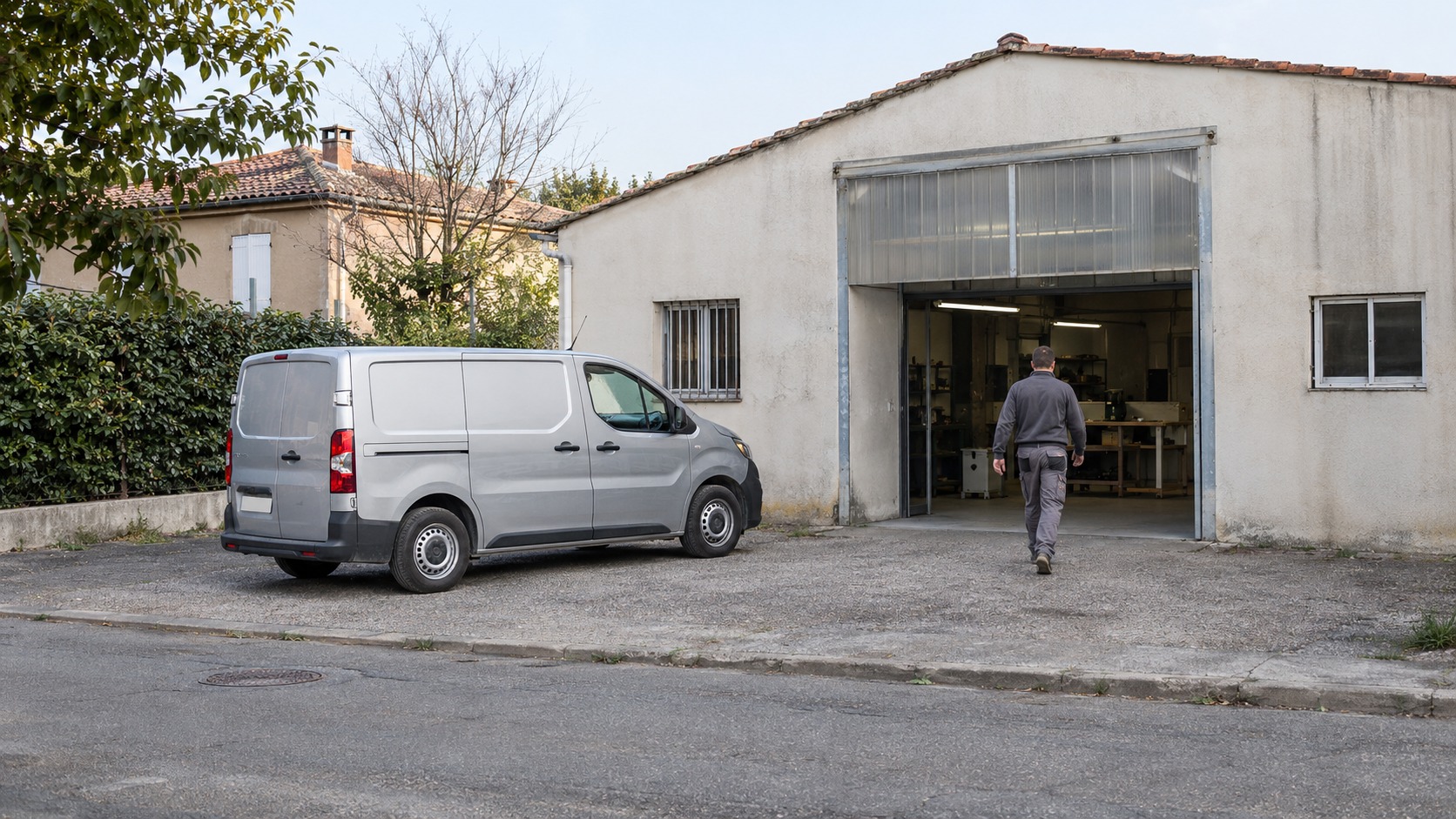
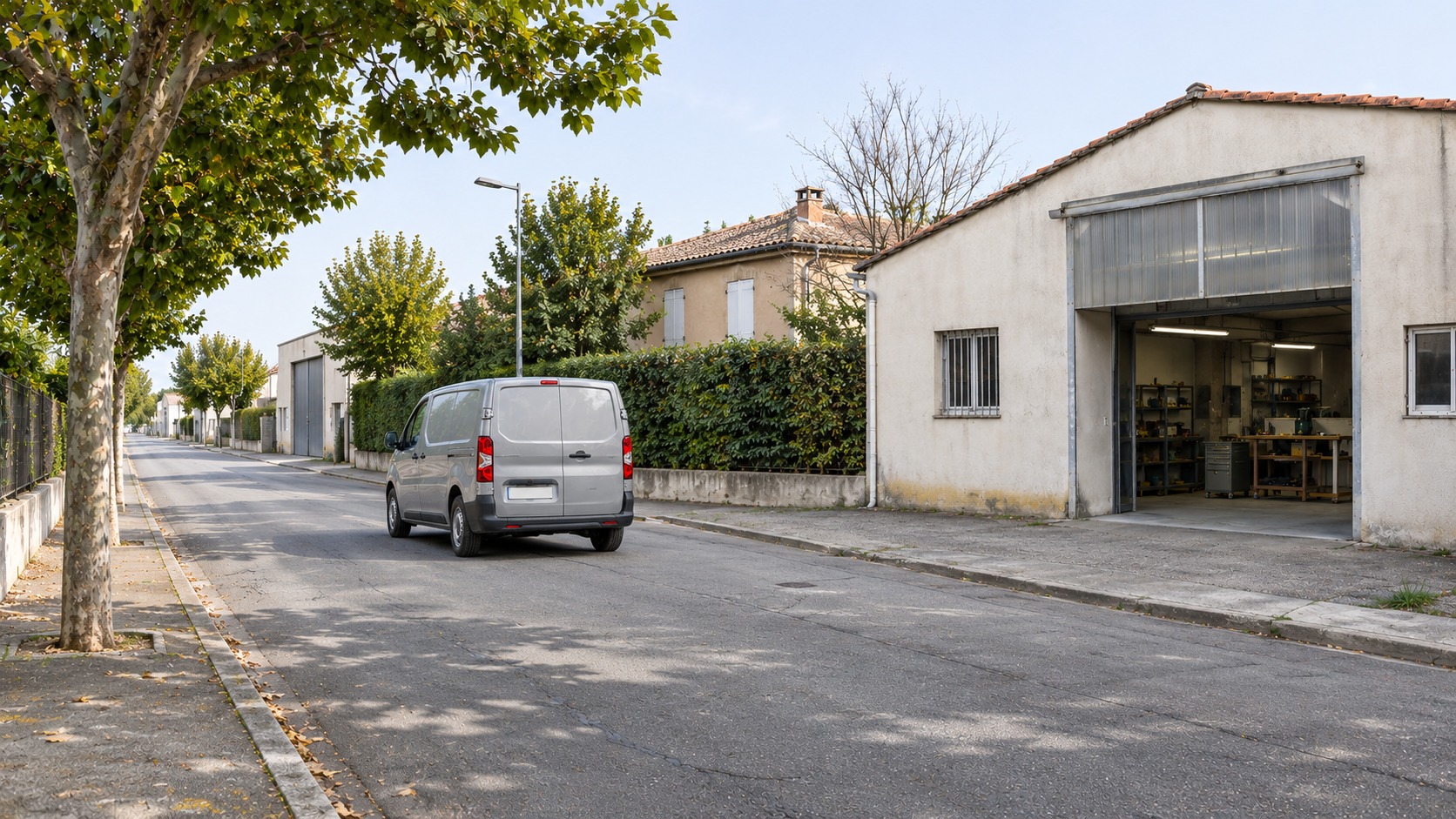
    The parked van

    A van is parked near an entrance. A partly open tool case is already on a table. The first timestamp records the earliest sighting. The report gives no duration or route before that point because the investigator had no earlier observation to compare. The fictional meeting place is near Rue Saint-Claude. The name locates the example and implies nothing about the street’s residents or businesses.

    Fictional case illustration: A van parked outside a workshop.
  2. 08:40

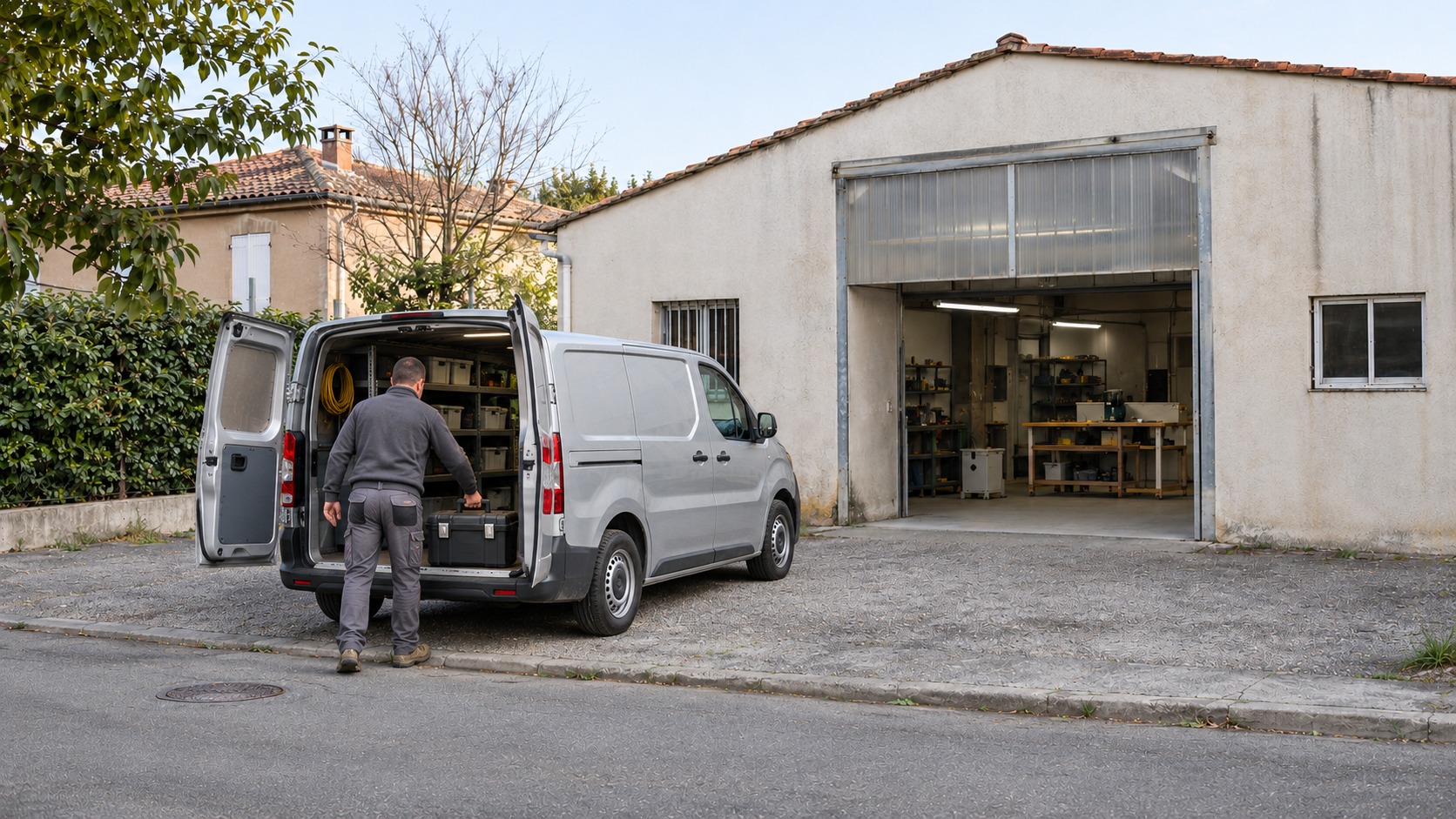
    Preparing equipment by the boot

    A takes a light box from the vehicle and puts it beside the tool case. The entry marks a new point in the timeline, identifying who was there and what each adult did. The actions are recorded separately from any interpretation of their exchange.

    Fictional case illustration: Preparing equipment at the back of a van.
  3. 10:00

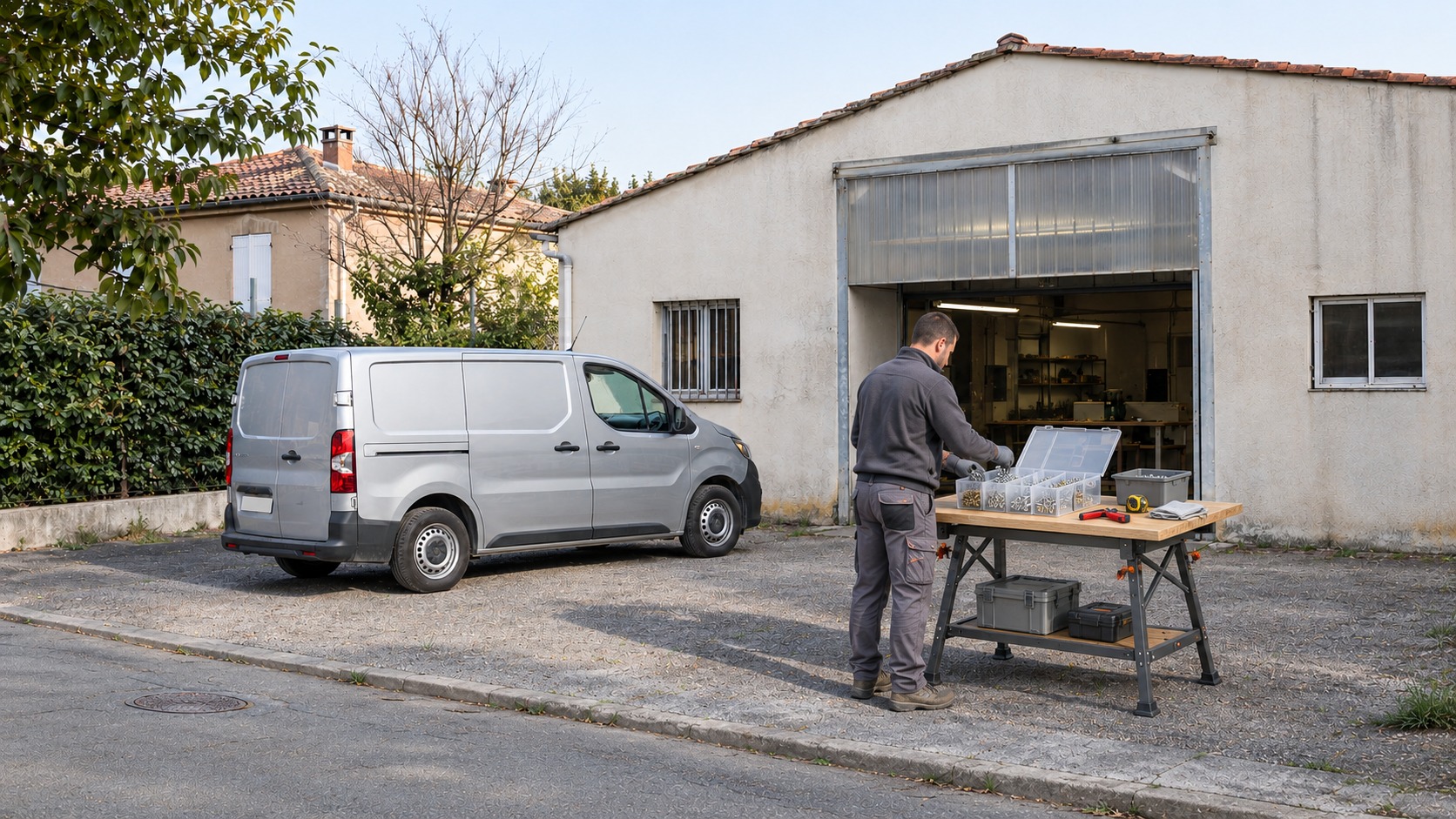
    Components on the work surface

    Two tool bits are brought together. No appliance or machine is set up on the work surface. The account is limited to what can be seen from this distance. Obscured objects and unreadable details remain unidentified. Comparing this entry with the preceding and following observations cannot establish that a hidden item was handed over or replaced. No conversation is transcribed.

    Fictional case illustration: Sorting small parts while wearing gloves.
  4. 11:25

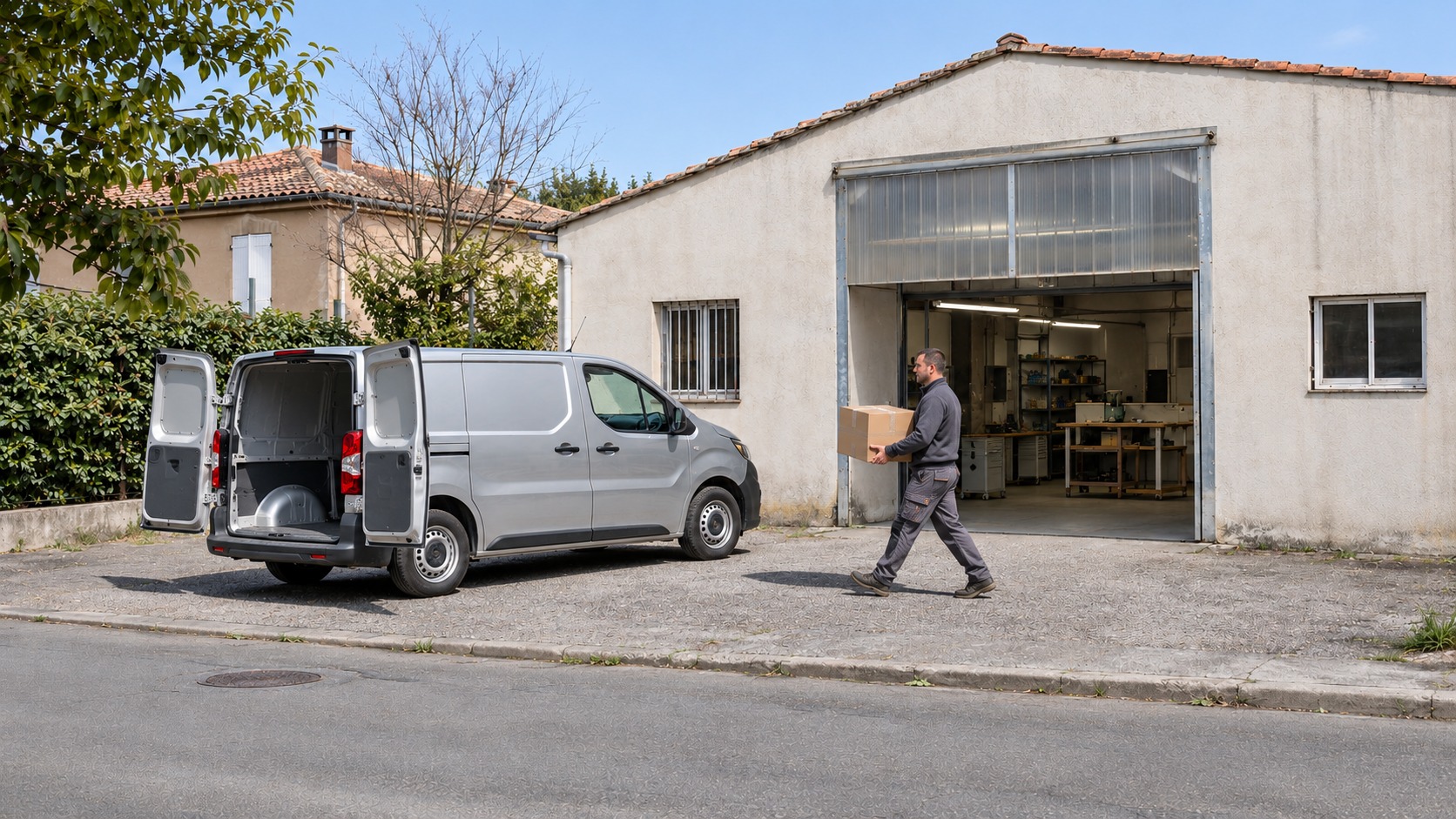
    Carrying the box

    A cardboard box is moved to the threshold while the bits remain on the table. This fourth entry can be compared with the observations on either side, taking account of the limits of each. The account does not reconstruct what happened during gaps in visibility.

    Fictional case illustration: Carrying a box to a van.
  5. 13:55

    The van leaves

    The vehicle drives away. No equipment is seen being put back into operation before observation ends. The report records the time and location of the last relevant sighting, leaving any subsequent destination open. A later document can be compared with that entry. The closing timestamp is the last observation and is separate from any return to the starting point.

    Fictional case illustration: A van leaving.

Summary

Comparing tools and using them on a machine are different actions. The observations do not document any completed mechanical work.

Each entry can be checked individually with its time and illustration. Any further document supplied by the client would need to be dated and sourced before comparison with the observation period. The summary includes only circumstances recorded in the timeline.

Family investigationLending a notebook to write inRead the reportClose the report

Fictional assignment · 12:40–18:40 · 6 h 00 min

Background and brief

A client wants to understand the circumstances of a meeting and whether a letter changed hands. This fictional example in Châteauroux-les-Alpes traces only visible actions during the agreed period. The client’s account is recorded at the start so it can be compared with the observations. A and B refer only to the fictional adults. Five illustrations accompany the timeline and depict no actual client.

Timeline of observations

  1. 12:40

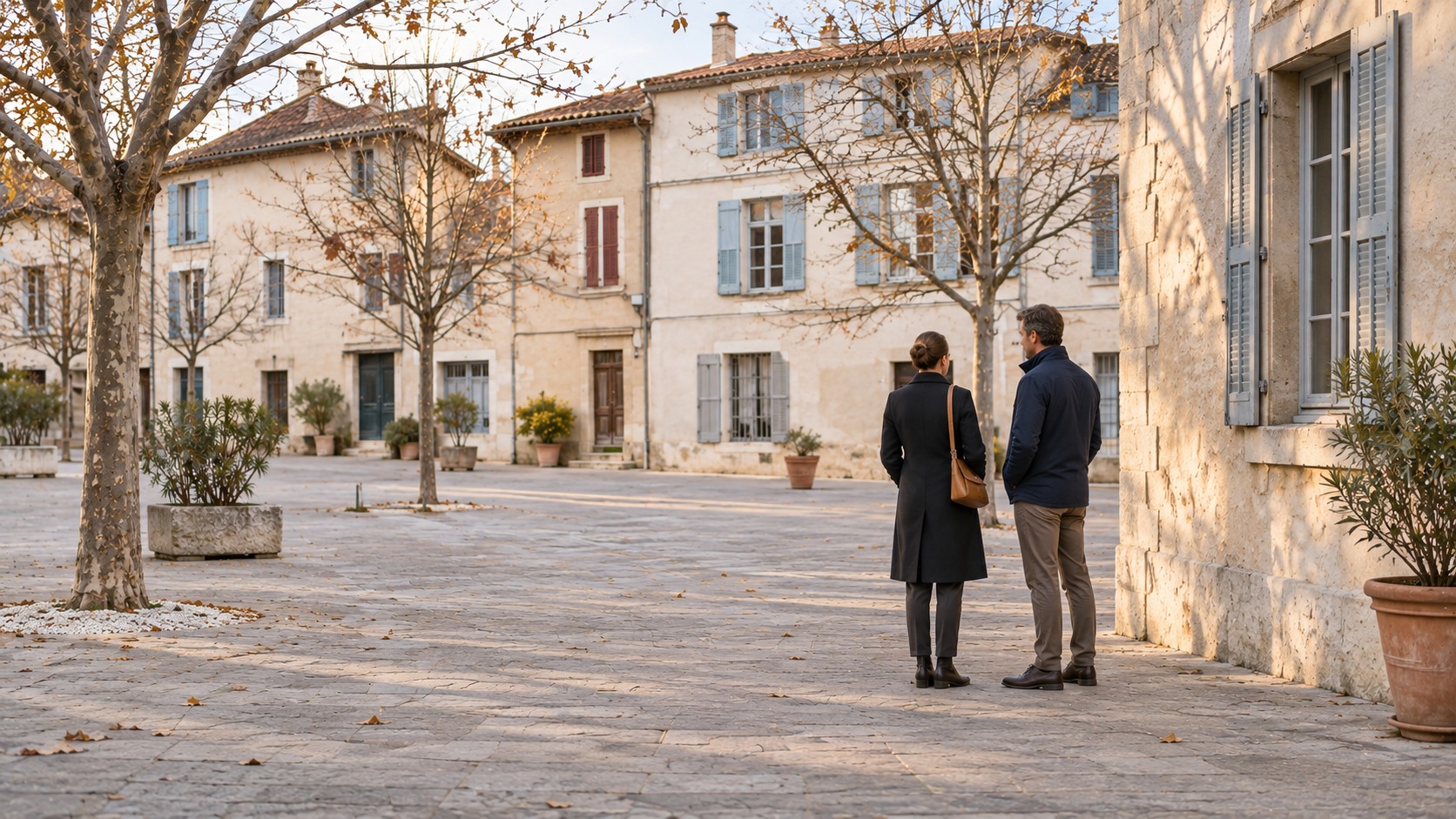
    Arrival on foot

    A arrives alone on foot with a slim notebook in an outer pocket. The investigator records place and time together and makes no assumptions about earlier events. This first entry establishes a point of comparison for later observations. The fictional meeting place is near Route de Saint-Marcellin. The street name implies nothing about local residents or businesses.

    Fictional case illustration: Arriving on foot in a public place.
  2. 13:40

    The two adults meet

    B joins A, and they walk towards an outdoor seating area. No separate sheet of paper is visible on the way. The investigator records the successive actions and who performs them. Proximity alone does not make either person responsible for the other’s actions. Inaudible words are left out.

    Fictional case illustration: Two people meeting in a street.
  3. 14:30

    At the outdoor table

    The notebook lies open near B. A hand moves over a page, but its contents are unreadable. The caption stays within what the scene shows. Moments when an object or a person is hidden are excluded from the period of continuous visibility, and unrelated bystanders are omitted. Comparison with the adjacent entries gives no basis for saying a concealed item was passed or replaced. No conversation is transcribed.

    Fictional case illustration: Two people seated at an outdoor table.
  4. 16:05

    Leaving the meeting

    A closes the notebook and takes it back before leaving the table. No detached sheet is identifiable. This observation has its own time, even though it follows naturally from the previous entry. The report records the visible movement and its apparent endpoint without assigning a destination beyond the field of view.

    Fictional case illustration: Two people walking together.
  5. 18:40

    Departure by car

    B leaves in a car while A is still on the pavement on foot. This entry closes the agreed observation period. The vehicle’s later movements, destination and any subsequent activity would require separate evidence. The closing time is the final sighting, independently of when the investigator may have returned to the starting point.

    Fictional case illustration: Two people leaving in the same car.

Summary

Both adults consulted the same notebook. The observation cannot establish what may have been written, who it was intended for or what relationship the two adults had.

Each step in the timeline can be checked independently. The client can show their lawyer which entry raises a question and which intervals remain unaccounted for. The conclusion goes no further than the last event observed.

Use in court
In an actual case, the judge assesses the report’s admissibility and evidential weight in light of the circumstances, including the right to evidence and respect for privacy.

Frequently asked questionsInvestigations in Châteauroux-les-Alpes · Aix-en-Provence office
Which package is recommended for an infidelity investigation?

For surveillance relating to suspected infidelity, the recommended package is 30 hours. The quote depends on the relevant time windows and how much surveillance is needed.

View fees and packages
How much does a private investigator in Châteauroux-les-Alpes charge?

Address tracing costs €1,290 including VAT. Surveillance packages cost €1,290 for 10 hours, €3,690 for 30 hours and €7,290 for 60 hours. All prices include VAT.

View fees and packages
Is it legal to hire a private investigator?+

Yes. Private investigation in France is regulated by the Internal Security Code (Article L. 622-9). You can engage an agency licensed by CNAPS to protect a legitimate interest.

Can an investigation report be used in court?+

Yes. A report may be submitted as evidence in civil, family, employment or commercial proceedings. The judge decides whether to admit it and what weight to give it, considering whether producing the evidence was indispensable and any interference with rights was proportionate (French Court of Cassation, 22 December 2023, no. 20-20.648).

What should I prepare for an investigation in Châteauroux-les-Alpes?+

To discuss an investigation in Châteauroux-les-Alpes, call us or arrange an appointment at ourAix-en-Provence office. Note down the facts you want checked, the dates and locations you know and what you hope to establish. You do not need to send sensitive documents at this stage. If a lawyer is already assisting you, they can join the consultation.

What equipment does a private investigator use?+

Depending on the assignment, an investigator uses a notebook, a still camera or a video camera to document facts objectively from public space. The work must respect privacy under Article 226-1 of the French Criminal Code.

How soon can an investigation start in Châteauroux-les-Alpes?+

We confirm the first available time once we have reviewed the facts to be checked, the location and our availability. We give a separate timeframe for delivering the report.

Can my solicitor receive the investigation report in Châteauroux-les-Alpes?+

With the client’s consent, the agency can send the report and agreed exhibits to their lawyer. The report records the facts observed and the checks carried out.

Which office handles investigations in Châteauroux-les-Alpes?

The Aix-en-Provence office coordinates investigations in Châteauroux-les-Alpes. Call us or arrange an appointment at our local office.

Can I contact you at weekends?

Yes. You can reach the director on Saturdays and Sundays, from 08:00 to 20:00, on 06 14 07 09 25.

NewsNews from our Aix-en-Provence office
Copied service proposals in Aix-en-Provence: comparing publicly available materials+

A consultancy or service agency in Aix-en-Provence discovers that a competitor’s proposal presents its services in much the same way.

At a glance

Similar lists of services may simply reflect the language commonly used in an industry.

The question becomes more specific when several features recur, such as an unusual sequence, identical examples or descriptions containing the same errors. To prepare an unfair competition case, start by comparing what each business actually made public.

Compare materials used for the same purpose

Select comparable documents, such as service pages, sales proposals shared by their recipients or brochures aimed at the same audience. Record the format, collection date and version. In a table, quote each matching passage and explain its function within the proposal. Distinguish standard headings from more distinctive wording, examples and diagrams. Describe visual similarities precisely, such as the arrangement of steps or the use of unusual captions.

Establish when your versions were circulated

Look for sent emails, publication histories or dated records showing when the material was shared. An internal file’s creation date and the date it was made public are separate facts. If a page has changed, keep the versions whose origins you can establish. The aim is to establish the order in which the material appeared and identify dates that remain uncertain.

Record differences and possible explanations

Both businesses may have used a template supplied by a network, manufacturer or presentation tool. Check whether features also appear in standard materials available to both. Record the distinctive choices each business made. This helps identify passages that warrant closer examination and prevents a generic phrase from becoming the focus of the case.

Give the investigator a usable comparison

A few complete documents and a clear table may be enough. A private investigator in Aix-en-Provence can help date and compare accessible materials and identify outstanding uncertainties. Your legal adviser can then assess the findings. The investigation establishes facts about how the proposals were presented and in what order.

Explore the CONFIDENCIA office in Aix-en-Provence

Suspected client diversion in Aix-en-Provence: checking the facts+

Losing contracts after an employee leaves can concern a business owner.

At a glance

An investigation into suspected client diversion in Aix should first establish whether the losses reflect ordinary competition or whether specific events warrant further checks.

Losing customers does not, by itself, establish unfair conduct.

Prepare the case file

Start with a timeline of cancellations, renewals and correspondence lawfully retained. Seasonal changes or new prices may explain some losses. Our Aix-en-Provence office reviews the client’s specific objectives to determine what an investigation might add to the commercial records already available.

Identify useful observations

Starting a new business is generally legitimate, subject to any applicable obligations. Particular practices may be open to challenge. A legal professional should assess the wording and validity of a non-compete clause. The investigator records observable facts and leaves legal judgments to the appropriate professional.

Work within the legal framework

Suspected staff poaching does not justify accessing a former employee’s email, obtaining their credentials or intercepting private communications. Information gathered must be necessary and proportionate to the protection of a legitimate interest. CNAPS explains the regulatory framework for private investigators. Any findings should be dated, sourced and recorded without speculation.

Plan the assignment

A journey between La Duranne and Les Milles proves nothing without a connection to the assignment. The rates published by our Aix office can help clients plan the duration of a possible investigation. If establishments in different parts of the department are involved, coordination with our Marseille office can be arranged within an agreed scope.

Before making a costly decision, the business owner should identify the few facts whose verification would actually change the strategy. A lawyer can assess their potential evidential value. To request a feasibility assessment, use CONFIDENCIA’s confidential contact details and describe the situation, sharing only the information needed.

In a business relationship, this care also protects the reputation of the company raising the concern. It helps prevent a genuine commercial difficulty from turning into an unsupported accusation.

Limit the assignment to information relevant to the case. This helps control the budget and makes the final report easier for legal advisers to use.

A suspected document leak in Aix-en-Provence: tracing a file’s circulation+

A draft quotation, working document or internal team presentation reaches an unexpected recipient.

At a glance

For a business in Aix-en-Provence, the first questions concern the version of the document, who received it and the circumstances in which it was circulated.

Very similar files may have been prepared for different recipients.

Identify the exact version involved

Note the title, date, visible markings and any differences from the team’s copies. A corrected error, project reference or removed page may establish where the copy belongs in the version history. Keep the working file separate from the copy received. Record who identified the match, when and in what circumstances.

Reconstruct the known transfers

List identified transmissions, shared workspaces and the recipients authorised on the relevant date. A link may have circulated within a project without every view being logged. Record technical data and team members’ accounts in separate columns. If the period is long, concentrate first on the interval between the last revision and discovery outside the business.

Coordinate the people handling the case

Decide who will keep the records, liaise with IT and approve requests to service providers. This helps avoid contradictory messages. It also distinguishes checks needed for the investigation from measures to secure future sharing. Keep a dated record of access changes so that differences can be explained.

Check whether an earlier version was handed out at a meeting or sent to a partner before the shared folder was created. Previous exchanges may explain why a copy appeared somewhere unexpected.

Agree the scope with the Aix-en-Provence office

The office can review the consistency of the timeline and the feasibility of further checks. Provide the document concerned, its known distribution routes and its observed use. Focusing on these facts helps identify what remains uncertain and which checks might clarify it.

Explore the CONFIDENCIA office in Aix-en-Provence

Inheritance matters in Aix-en-Provence: locating someone lawfully+

An estate may be delayed when a potential heir, relative or other person who needs to be contacted cannot be located.

At a glance

Outdated contact details and incomplete family information can make enquiries difficult.

A search connected with an estate in Aix-en-Provence must have a defined purpose and respect the rights of those concerned. Start by identifying the documents already held by the professional handling the estate.

Clarify each professional’s role

The notary or legal professional identifies what the estate requires and which formal steps fall within their remit. Where the conditions are met, a private investigator can help verify specific facts. The investigator does not replace a notary or a probate genealogist where their particular expertise is required. Our Aix-en-Provence private investigation agency reviews the request, available documents and legal limits before beginning a search.

Make use of established information

Former addresses, documented name changes, public contact details and periods of residence provide leads. Assess each one by its reliability and date. An uncorroborated lead cannot establish a current location. A methodical enquiry starts with the existing records, identifies inconsistencies and verifies only the information needed for the assignment.

Respect privacy and agree who receives the findings

A search does not give a general right to details of someone’s family life, movements or confidential information. Agree in advance who will receive the results and for what purpose. In some cases the legal professional handling the matter may be the appropriate recipient. The agency’s fees explain its general terms. The feasibility of an individual search requires a separate assessment.

An enquiry that may extend beyond Aix-en-Provence

Family and residential histories often cross municipal boundaries. Where a lead points to Marseille, our Marseille office may help coordinate the enquiry. Observations and information are compiled in one timeline, including checks that yielded a result and those that did not. CNAPS explains the framework governing private investigations in France. Each step must remain proportionate to the needs of the case.

Understand the value of a negative result

A search can rule out an incorrect lead and document checks already made, even if an address is not immediately located. Our article on useful checks in an Aix-en-Provence family case explains how an assignment is organised. Recording unsuccessful enquiries can prevent further expense pursuing outdated information.

Fictional case · The community association’s storeroom inventory

The client’s question

A community association finds a discrepancy between tools in a storeroom and an inventory drawn up before a change of manager. Some objects are listed in sets. The client and investigator define the question together, select relevant copies and check whether the originals contain a reverse side, an annex or details missing from the first copy.

The question to resolve

Do the quantities refer to complete tool cases, individual tools or spare parts? The check preserves the order of the compartments and the case reference numbers. An empty space in a recent photograph does not establish that an accessory was present when the manager changed.

Comparing the documents

Earlier purchase records show what the sets originally contained. The handover receipt lists two cases without specifying their contents. A current check records the cases separately from the tools now present. References are transcribed exactly. Probable matches go into a separate column so that a typo or abbreviation cannot become a confirmed identification. Each date is labelled as recorded at the time, copied into correspondence or recalled during the first interview. Dates with different sources can then be assessed separately.

What the records establish

Identifiable items are matched to their references. The date on which a missing part disappeared remains unknown. The client can share the findings, references and limitations with their lawyer. A later document can be added to the relevant entry while preserving the meaning of the first version.

Fictional example for illustration, unrelated to any actual case.

Fictional case · The place named in an old letter

The client’s question

An heir wants to contact the writer of a letter that mentions a hamlet near Châteauroux-les-Alpes and carries an abbreviated signature. At the first consultation, the investigator lists what the client already holds and who supplied each item. Dates recalled from memory keep that qualification in the final file.

The question to resolve

Does the place named in the letter refer to the writer’s home, a temporary stay or the subject of the letter? The writer may have asked for a reply to be sent to someone else. Before attempting contact, the investigator distinguishes the names in the closing salutation from those in the address in the margin.

Comparing the documents

The text distinguishes the reply address in the margin from the place mentioned in the account. A later card confirms the spelling of the name but gives no new contact details. The investigator records the source of each document and the passage relevant to the client’s question. Records derived from a single entry are counted as one source. Checks remain confined to the enquiry. If a document also concerns an unrelated client or relative, a relevant extract can be requested from its holder and its source recorded in the timeline.

What the records establish

The documents provide an identity that still needs clarification and a former correspondence address. Any search for current contact details must fall within the agreed brief. The client receives a list of the records examined and a timeline limited to what they support. Follow-up can focus on the unresolved point without requesting all the same documents again.

Fictional example for illustration, unrelated to any actual case.

Châteauroux-les-Alpes · Aix-en-Provence office

Call the agency

Every day, 08:00–20:00.

Illustration of a professional taking a call in his office.

Speak to Benoit Avril

Speak directly with the director. Free advice and quote.

Outside office hours: email us.

  • Licensed agency
  • Reports for use in court
  • Professional secrecy
  • Google reviews 5.0/5