
PRIVATE INVESTIGATOR ASPREMONT
Private Investigator in Aspremont Enquiries – Surveillance – Investigations – Evidence
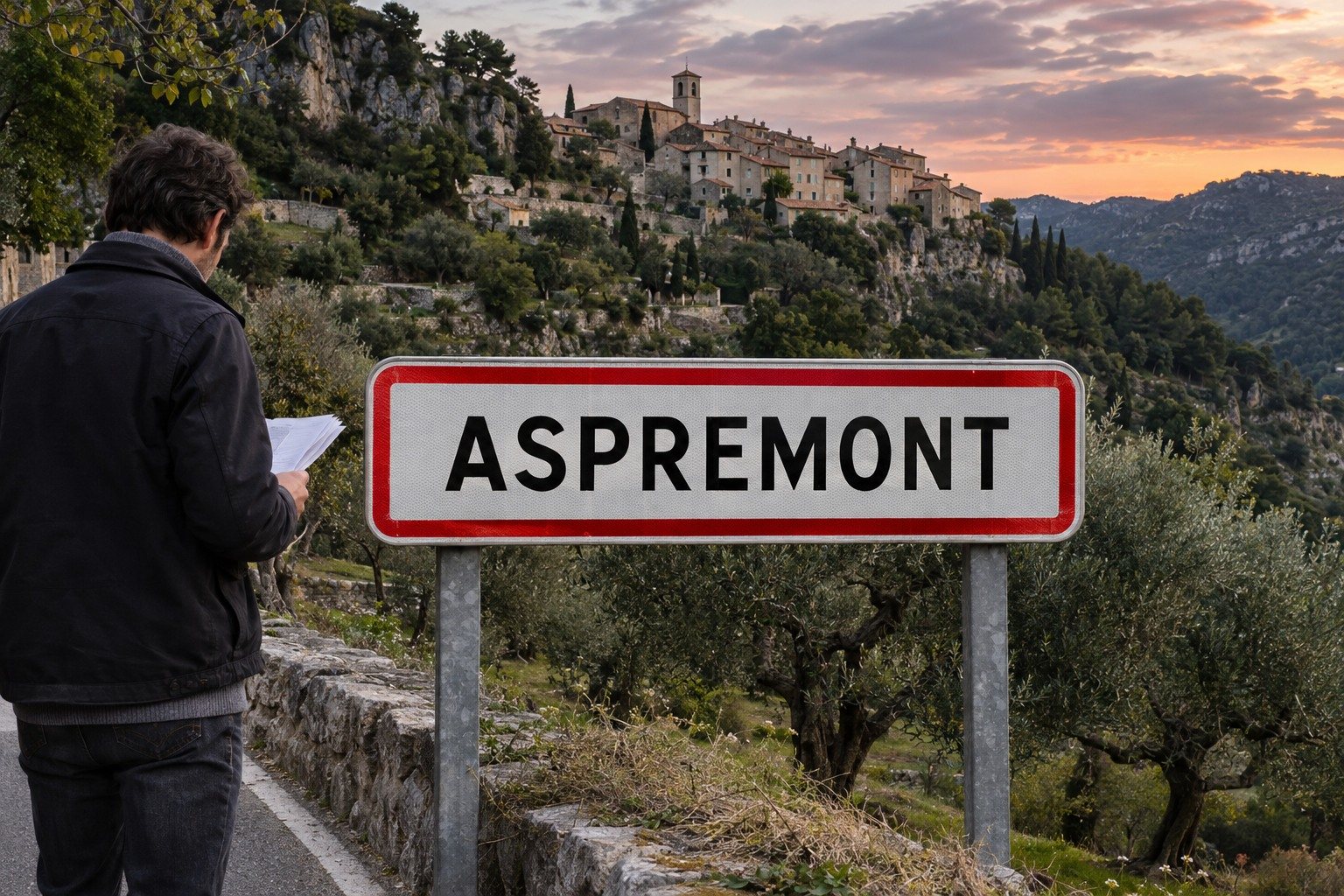
Illustration of an investigator near the Aspremont town sign.
Surveillance & Field Investigations · Private Investigator in Aspremont
ASPREMONT · 06790 · Nice office

Private Investigator in Aspremont

Surveillance and private investigations in Aspremont for individuals, businesses and solicitors. Our Nice office coordinates your case.

Immediate response · Free quote · Advice tailored to your case

CNAPS licensed Nice office
Director trained in law 10 years of experience
Investigation reports For your lawyer
Professional secrecy Strict confidentiality
Tailored investigations · Alpes-Maritimes (06)

Our private investigation services in Aspremont

Our investigators document facts for family and business cases in Aspremont. Explore our surveillance, mobile observation and address tracing services.

Individuals

Family, assets and loved ones

Adultery and divorceView serviceClose

What the investigation can establish

Objective evidence of infidelity and breaches of marital duties under Article 212 of the French Civil Code can support a fault-based divorce case before a family court judge.

A targeted investigation can document journeys, meetings or circumstances observable in public places to inform your lawyer’s case. The report draws a clear distinction between verified observations and assumptions.

How the investigation works

  1. Agree the relevant facts with your lawyer and assess the locations in advance.
  2. Make lawful observations in places accessible to the public.
  3. Provide a dated chronology and the relevant photographs.

What you receive

Your lawyer can assess whether to submit the findings as evidence. In divorce proceedings, evidence obtained through violence or fraud is excluded.

Child custodyView serviceClose

What the investigation can establish

Where there is a legitimate interest, a proportionate enquiry can help locate a parent or establish repeated failures to comply with contact or overnight arrangements.

How the investigation works

  1. Review the existing order or judgment.
  2. Identify the specific events that need checking.
  3. Make discreet observations with due regard for the children.

What you receive

The report sets out when the events took place and in what circumstances. Your lawyer can assess their relevance to your family case.

Child maintenanceView serviceClose

What the investigation can establish

Evidence of undeclared work, a concealed standard of living or an openly established cohabiting relationship can support a request to review child maintenance or a compensatory payment on divorce.

Lawful enquiries into employment or apparent undeclared activities can help document an application to review child maintenance or a compensatory payment.

How the investigation works

  1. Cross-check information from public and lawfully accessible sources.
  2. Verify the facts on the ground.
  3. Bank accounts and protected tax records are outside the scope of the enquiry.

What you receive

The report sets out the facts gathered about activities or apparent living standards, for consideration alongside the other evidence.

Tracing a personView serviceClose

What the investigation can establish

We use records and on-site checks to verify addresses for debtors, heirs or missing relatives where there is a legitimate reason for the enquiry.

A tracing enquiry can help locate a beneficiary of an estate, a debtor or a relative where there is a legitimate family reason for making contact.

How the investigation works

  1. Review the identifying details and leads you provide.
  2. Search records through lawfully accessible sources.
  3. Verify the identified address in person.

What you receive

You receive an account of the checks and their outcome. Whether an address can be disclosed depends on the reason for the request and the applicable data protection requirements.


Businesses

Operations, employees and assets

Suspected sick leave abuseView serviceClose

What the investigation can establish

We conduct proportionate checks into suspected paid work or work for a competitor during sick leave, alongside any independent medical assessment.

When an employer has specific indications of a breach of loyalty, an investigation can document suspected paid work or work for a competitor.

How the investigation works

  1. Review the need for the enquiry with the employer’s lawyer.
  2. Make non-intrusive observations from outside, without collecting any medical information.
  3. Date and cross-check observations in a factual report.

What you receive

Seeing someone go out or take part in an activity does not establish misuse of sick leave. The report describes what happened. The company’s lawyer assesses its significance.

Unfair competitionView serviceClose

What the investigation can establish

We document diversion of customers, large-scale poaching of employees or breaches of a non-compete clause in Aspremont and in nearby towns.

We gather dated observations and tangible evidence to help the company’s lawyer prepare an application for an evidence-gathering order or bring a claim before the commercial court.

How the investigation works

  1. Define precisely which facts need documenting.
  2. Carry out field enquiries into observable business approaches.
  3. Keep a clear record of the evidence and provide a detailed report.

What you receive

The report distinguishes the approaches actually observed from the initial suspicions so your lawyer can assess the available options.

Internal theft and fraudView serviceClose

What the investigation can establish

We investigate missing goods, misappropriation of equipment and falsified expense claims in accordance with the French Labour Code.

Document a specific incident, such as misappropriated goods or losses in the supply chain, within a defined scope and without general or indiscriminate monitoring of staff.

How the investigation works

  1. Define the scope of the investigation.
  2. Make targeted observations in line with employment law.
  3. Provide a chronological report that your lawyer can use.

What you receive

The findings focus on the identified irregularities and are presented chronologically within the scope agreed in the engagement.

Commercial disputesView serviceClose

What the investigation can establish

We investigate solvency before legal action, verify assets and trace addresses for company directors or debtor companies.

Verify whether a business is operating, whether it has a physical presence and which facts may help with negotiations or debt recovery.

How the investigation works

  1. Conduct detailed research using documents and lawful sources.
  2. Carry out checks on site.
  3. Cross-check the findings and summarise the facts.

What you receive

The summary distinguishes verified facts from outstanding questions. It can inform negotiations or debt recovery.

Legal professionals

Evidence gatheringView serviceClose

What the investigation can establish

We prepare detailed, dated reports supported by photographs for use in court, in accordance with Article 9 of the French Code of Civil Procedure.

We plan the investigation around the facts to be established and the documents already on file, then provide the client with a chronological report.

How the investigation works

  1. Discuss the background to the dispute.
  2. Agree a precise and proportionate scope of work.
  3. Provide a chronological report with photographic exhibits.

What you receive

The report distinguishes direct observations from information that still needs checking. The client may authorise us to send it to their lawyer.

Pre-trial investigationsView serviceClose

What the investigation can establish

Preliminary investigations can support an application under Article 145 of the French Code of Civil Procedure, for example for a court-authorised formal record by a judicial officer.

We work alongside the judicial officer to provide verified background facts supporting a legitimate need to preserve or establish evidence before proceedings begin.

How the investigation works

  1. Identify the evidential issue.
  2. Gather observable facts using proportionate means.
  3. Prepare a structured factual summary for an application or interim proceedings.

What you receive

The report can help the lawyer assess whether to seek a pre-trial order. The judge decides whether to grant it.

Family casesView serviceClose

What the investigation can establish

Targeted surveillance and asset enquiries to support the law firms handling the case.

Support the lawyer’s strategy with precise observations that respect the privacy of those involved.

How the investigation works

  1. Agree the scope of work with the lawyer.
  2. Limit observations to the relevant facts.
  3. Keep a precise record of dates, times and places.

What you receive

Depending on the agreed scope, the report focuses on facts relevant to separation, the child’s residence or the parties’ financial means.

Employment disputesView serviceClose

What the investigation can establish

We gather relevant facts for French employment tribunal proceedings using proportionate means, in line with Court of Cassation case law.

Gather proportionate evidence for proceedings before an employment tribunal or commercial court.

How the investigation works

  1. Confirm the legal scope before starting work.
  2. Make targeted and dated observations.
  3. Provide a detailed report with supporting documents for the lawyer.

What you receive

You receive a chronology of the observations and the relevant exhibits. The judge assesses the admissibility and evidential weight of the report.

Free quote · VAT included

Transparent fees

Surveillance packages at the same rate for nights, weekends and public holidays.

Investigation fees in Aspremont

Tracing

Address tracing

Records search and on-site verification
€1,290 incl. VAT
Focused
10-hour package
Field surveillance
€1,290 incl. VAT
Extended
60-hour package
Field surveillance
€7,290 incl. VAT
What the package covers

Included in the package

  • Field surveillanceFieldwork carried out by a CNAPS-licensed investigator.
  • Preparation and site assessmentWe check access and prepare the fieldwork.
  • Case fee includedThe price includes the €90 case fee.
  • Travel includedMileage is included in the price.
  • No out-of-hours surchargeNights, weekends and public holidays are included.
  • Investigation report and exhibitsA detailed report and photographs for your lawyer

Terms

Minimum of 5 hours per assignment session.

Personalised quotes are available for longer investigations.

Testimonials · Google

Client reviews in Aspremont

Our Nice office handles investigations in Aspremont. The Google rating is for this office. The testimonials are from the CONFIDENCIA network.

Google rating for our Nice office

Testimonials from the CONFIDENCIA network

Credentials and CNAPS authorisation

The office serving Aspremont

The Nice office coordinates investigations in Aspremont.

3 place Masséna, 06000 Nice

View our Nice office

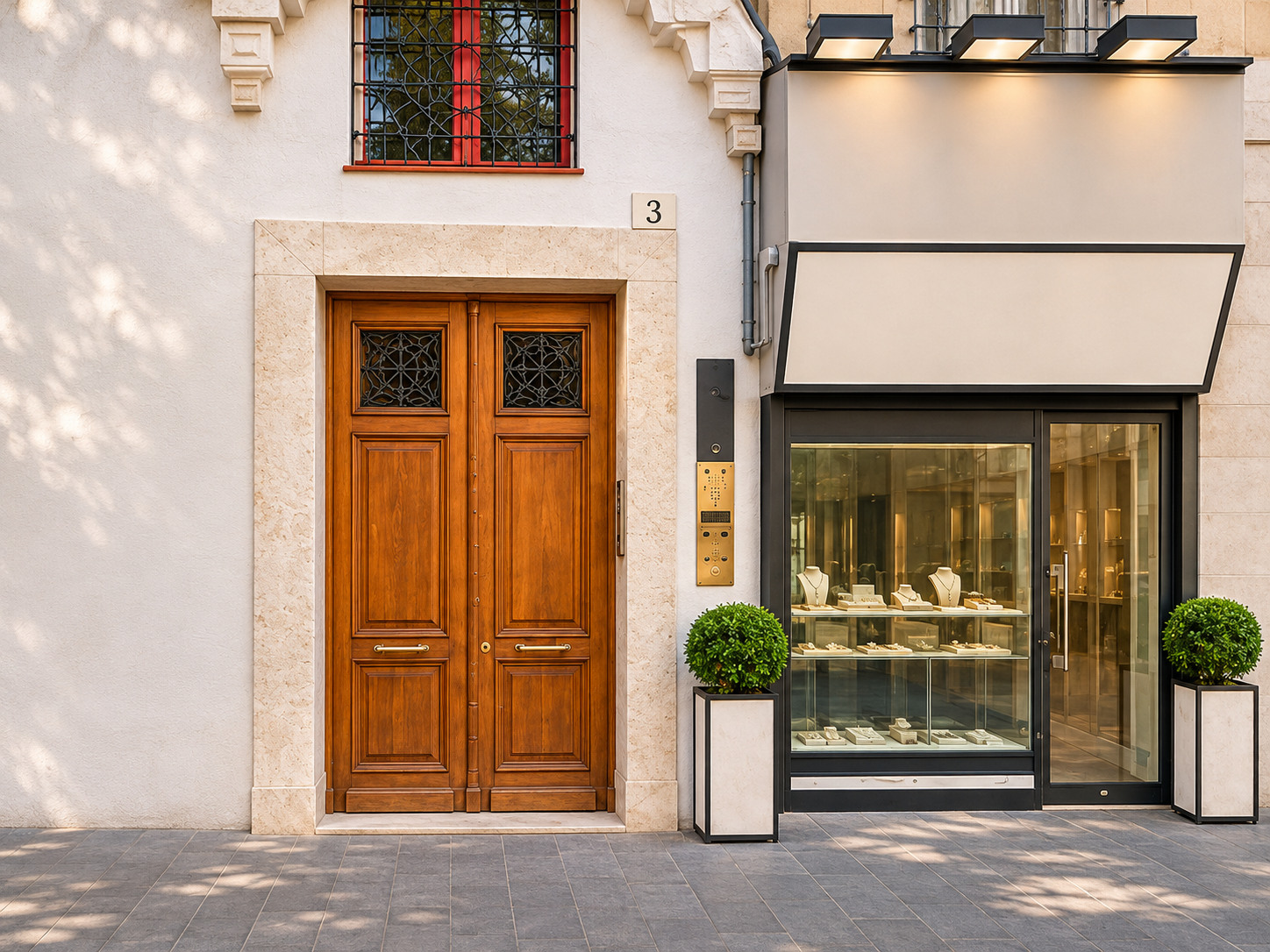
Retouched view of the entrance to 3 place Masséna in Nice, home to the CONFIDENCIA agency.

Benoit Avril

Agency director

LinkedIn profile
  • Law · Université de Nîmes
  • Management · École Nantaise de Commerce
  • Over 10 years’ experience · Speaks French and English
Registration and licences
SIREN753 071 109
Nice SIRET753 071 109 00056
APE activity code8030Z — Investigation activities
CNAPS operating licenceAUT-006-2118-08-05-20190709168
Director’s licenceAGD-006-2027-05-18-2022571344
Professional cardCAR-006-2027-05-09-20220571344
Local coverage

Areas we cover in Aspremont

The Nice office coordinates investigations in Aspremont, with attention to the locations and times relevant to each enquiry.

Local landmarks in Aspremont

This page concerns Aspremont in the Alpes-Maritimes (06790). Place Saint-Claude and Avenue Caravadossi are among the routes of the commune. The postal code makes it possible in particular to distinguish it from the same name of the Hautes-Alpes.

Nice and Colomars are next to Aspremont. The road to Nice and the Colomars road are also Aspremont roads. To locate a discount, read the name of the commune at the same time as that of the road.

Neighbourhoods

  • Place Leandre Astraudo
  • Place Saint-Claude
  • Place de l'église
  • Avenue Caravadossi
  • Route de Nice
  • Route de Colomars
  • Rue Marius Ferrier
  • Chemin des Cabanes Blétonnières
  • Chemin de Clodolio
  • Chemin de la Plaine

Neighbouring municipalities

Guidance and examples

Resources

How to prepare your enquiry and what to expect from an investigation report.

Investigation reportsTwo fictional cases in Aspremont

These are fictional scenarios. The photographs illustrate the actions and situations described.

Workplace investigationAn agreement on shared parenting journeysRead the reportClose the report

Fictional observation · 08:15–13:45 · 5 h 30 min

Background and instructions

This study features “Adaccording document on parental journeys” in the commune of Aspremont (06). A family discusses a succession of appointments outside the home. The study remains focused on the schedules indicated by adults and does not present any recognizable minor. The editorial attachment is the agency CONFIDENCIA Nice. This is not a command received or a mission performed: the following schedules and events were invented to present a neutral drafting method. The first precaution is to separate the schedules announced by adults from events that are actually visible; no assessment of parental qualities, privacy or the situation of a child can arise from mere presence. The aim of the report is to present what the scenario allows to note and what it prohibits from concluding.

The simulated observation period starts at 08:15 and ends at 13:45, i.e. 05:30; it thus follows a minimum of five hours, but does not correspond to any real presence on the ground. Exchanges provided voluntarily by the customer are used to set the reference times. The external survey refers only to material events in places accessible to the public; no observation is sought after the domicile, school life or identity of a minor. The titles of places of Aspremont are editing points. The indicative communal source is https://Aspremont.fr/; its content must be re-read before any final publication. In a real report, the time of writing should not be confused with the observation time, and the traceability of an image must be distinct from its legend. No image presented in this file constitutes a probative photograph.

Chronology

  1. 08:15

    Observed public meeting point

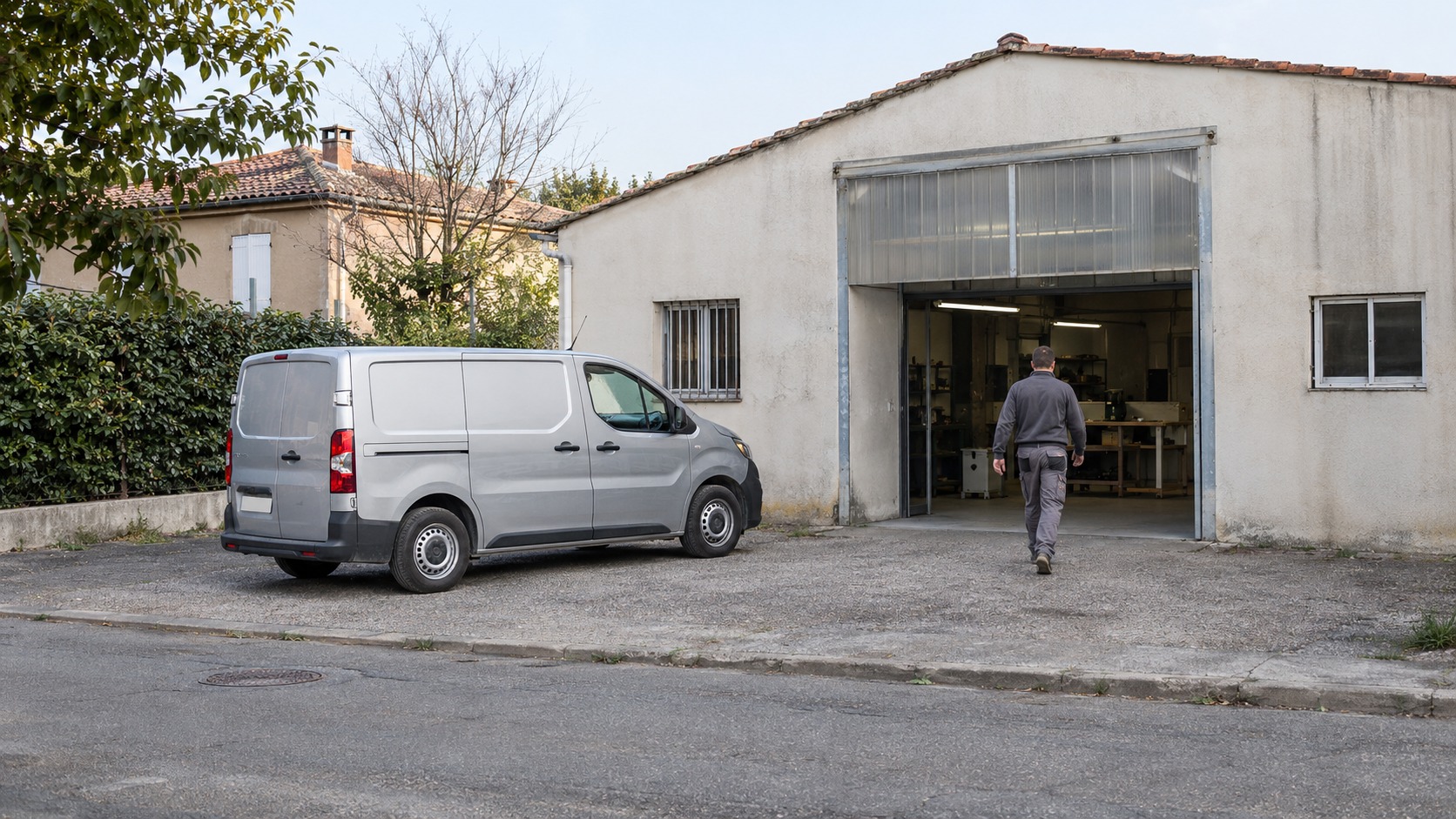
    Observation 1 - 08:15. Public meeting point observed. This episode should be reconciled with the assignment only for its schedule and the material elements explicitly described; the cause and intentions of the interveners remain undetermined. No identification based on a silhouette or plaque is added; the chronology is still subject to correction by an authenticated part. This sequence does not describe the interlayer periods: the fictional observer derives no continuous certainty. The following visual is a generic illustration, without a probative link with the scenario.

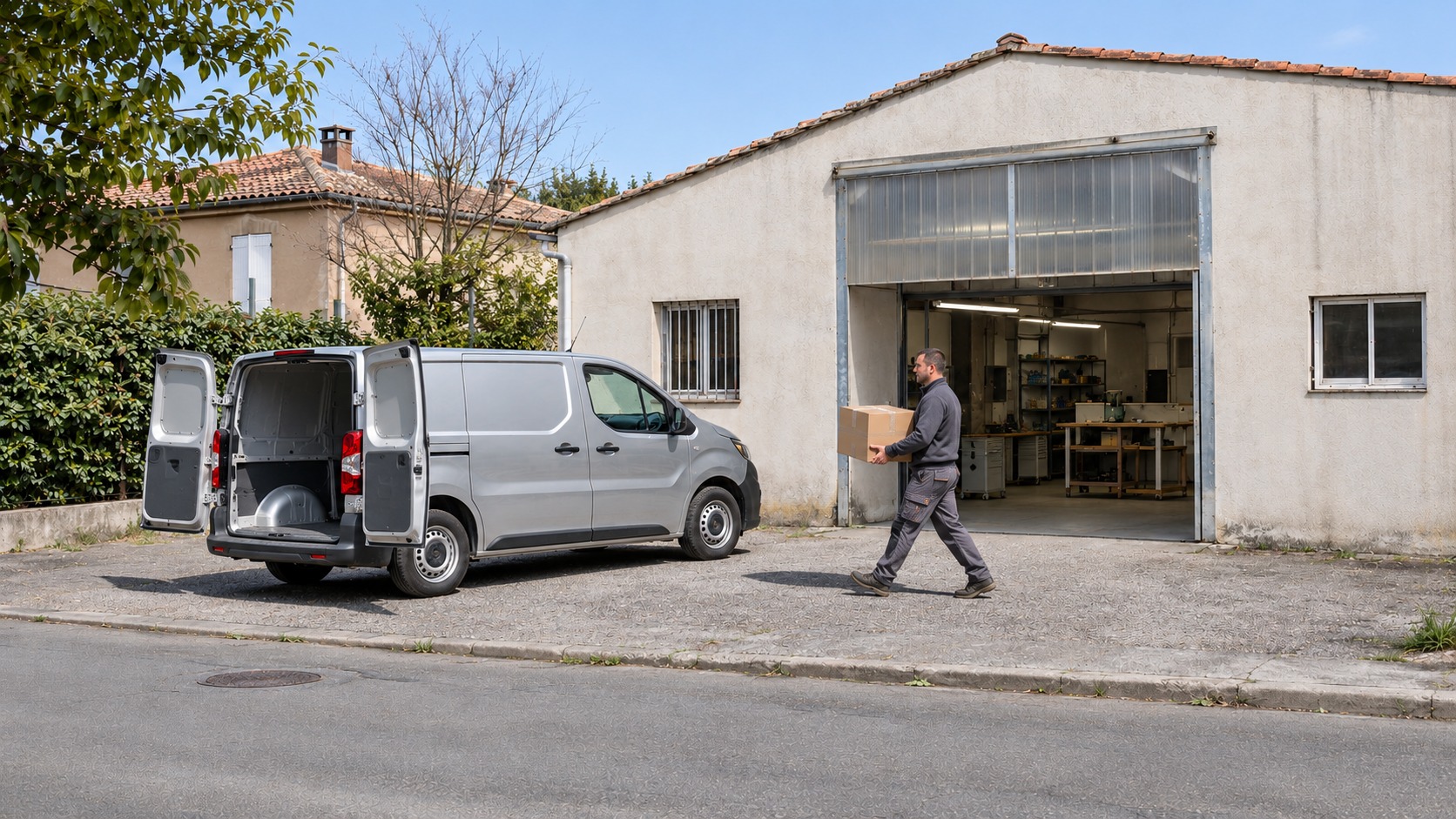
    A person joins the entrance to a workshop, near a grey utility vehicle.
  2. 09:30

    Move by message

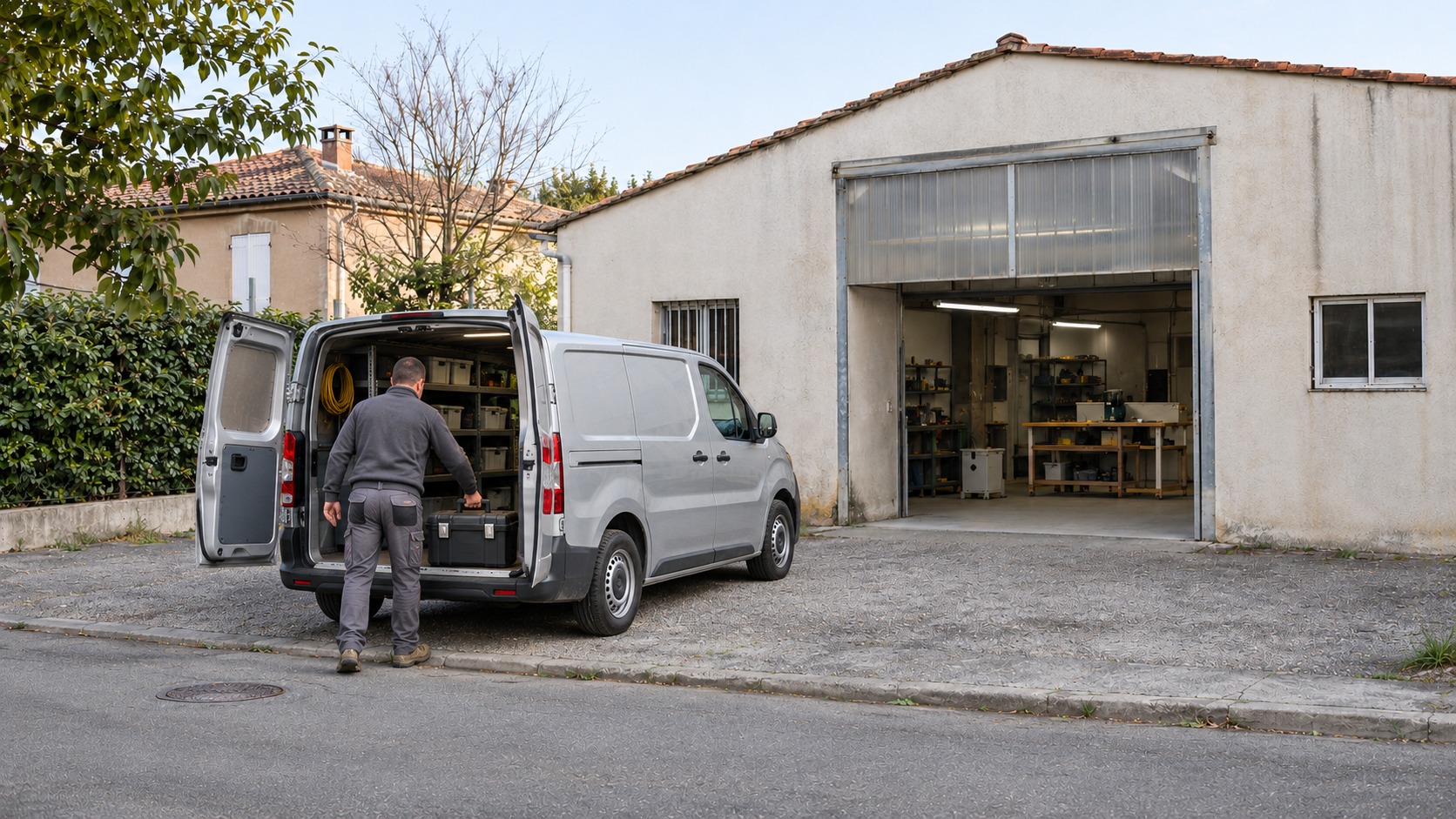
    Observation 2 - 09:30. Move out by message. Calendar information is noted as coming from an exchange, not as an autonomous scene. The date of issue of the message should remain separate from the time announced for the event. The reasoning distinguishes the alleged materiality from the qualification that one of the parties might wish to give it; the two are not equivalent. The time is used to bring documents closer to the documents of the assignment; it does not establish an identity or the legal scope of an event. The following visual is a generic illustration, without a probative link with the scenario.

    One person stands in front of the open rear doors of a commercial vehicle.
  3. 10:50

    First arrival, non-attributable identity

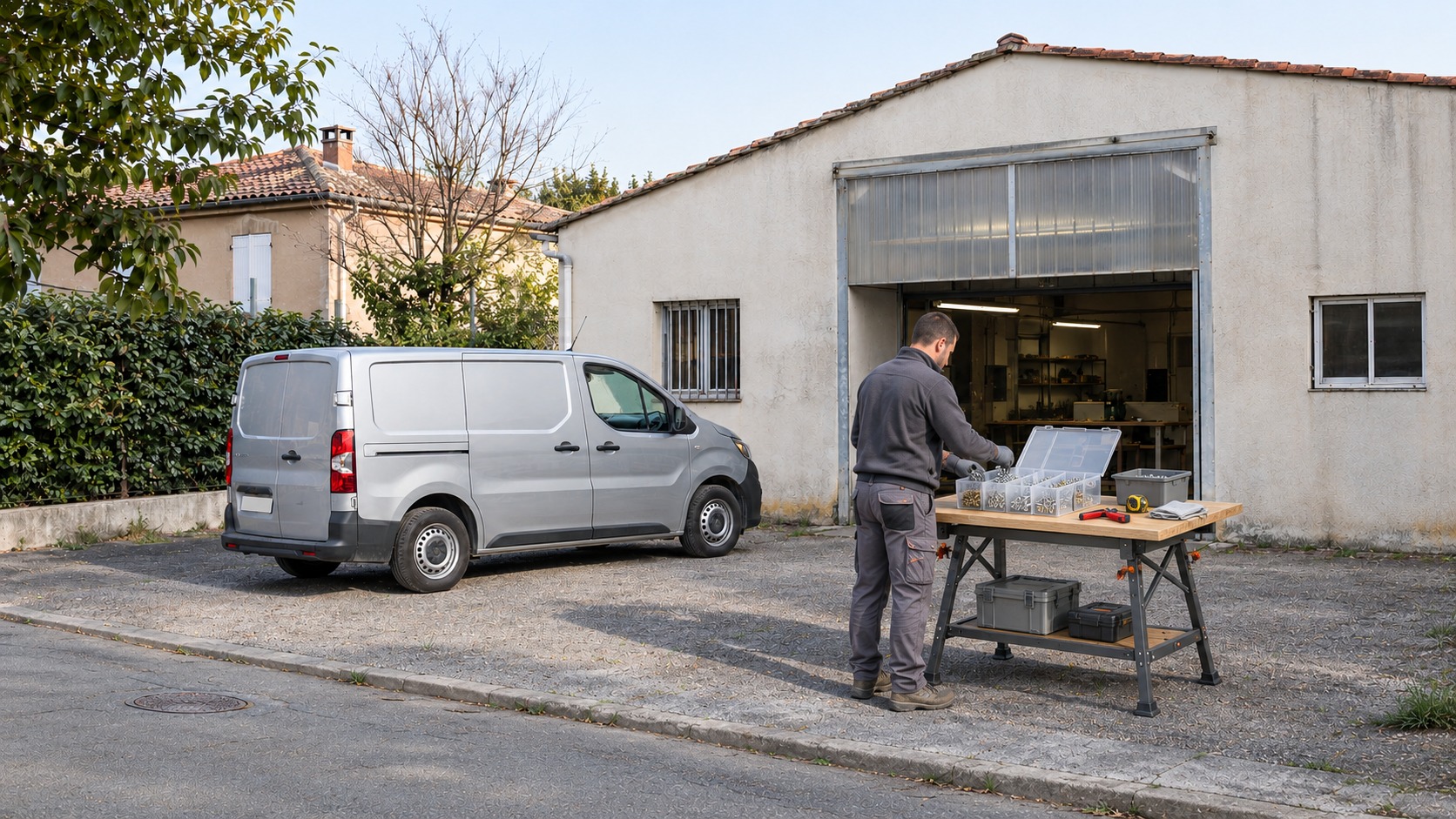
    Observation 3 - 10:50. First arrival, non-attributable identity. The opposite assumption remains acceptable when the observed point is compatible with several explanations; no addition can be presented as already verified. A terrain notation valid for an instant does not become a continuous observation; an interval between two passes remains an unobserved interval. This sequence does not describe the interlayer periods: the fictional observer derives no continuous certainty. The following visual is a generic illustration, without a probative link with the scenario.

    One person is looking at a work table in front of the workshop.
  4. 12:15

    No family delivery confirmed

    Observation 4 - 12:15. No family delivery confirmed. This observation describes a limited visibility interval: it does not allow the reconstitution of what may have occurred before arrival or in places not accessible to the gaze. To facilitate an adversarial review, the wording of this step remains consistent with the assumption of a different explanation or a missing document. The time is used to bring documents closer to the documents of the assignment; it does not establish an identity or the legal scope of an event. The following visual is a generic illustration, without a probative link with the scenario.

    A person wears a cardboard box in front of the workshop, near the open commercial vehicle.
  5. 13:45

    Closing after 05:30

    Observation 5 - 13:45. Closure after 05:30. The stopping of the observation range is a time limit, not proof of an event that occurred outside this range. Any gap is retained in the synthesis. The geographical reference frame is only used to order the places mentioned; it does not demonstrate a continuous path or personal geolocation. The synthesis does not complete the reverse chronology and does not attribute any intention to a person. The following visual is a generic illustration, without a probative link with the scenario.

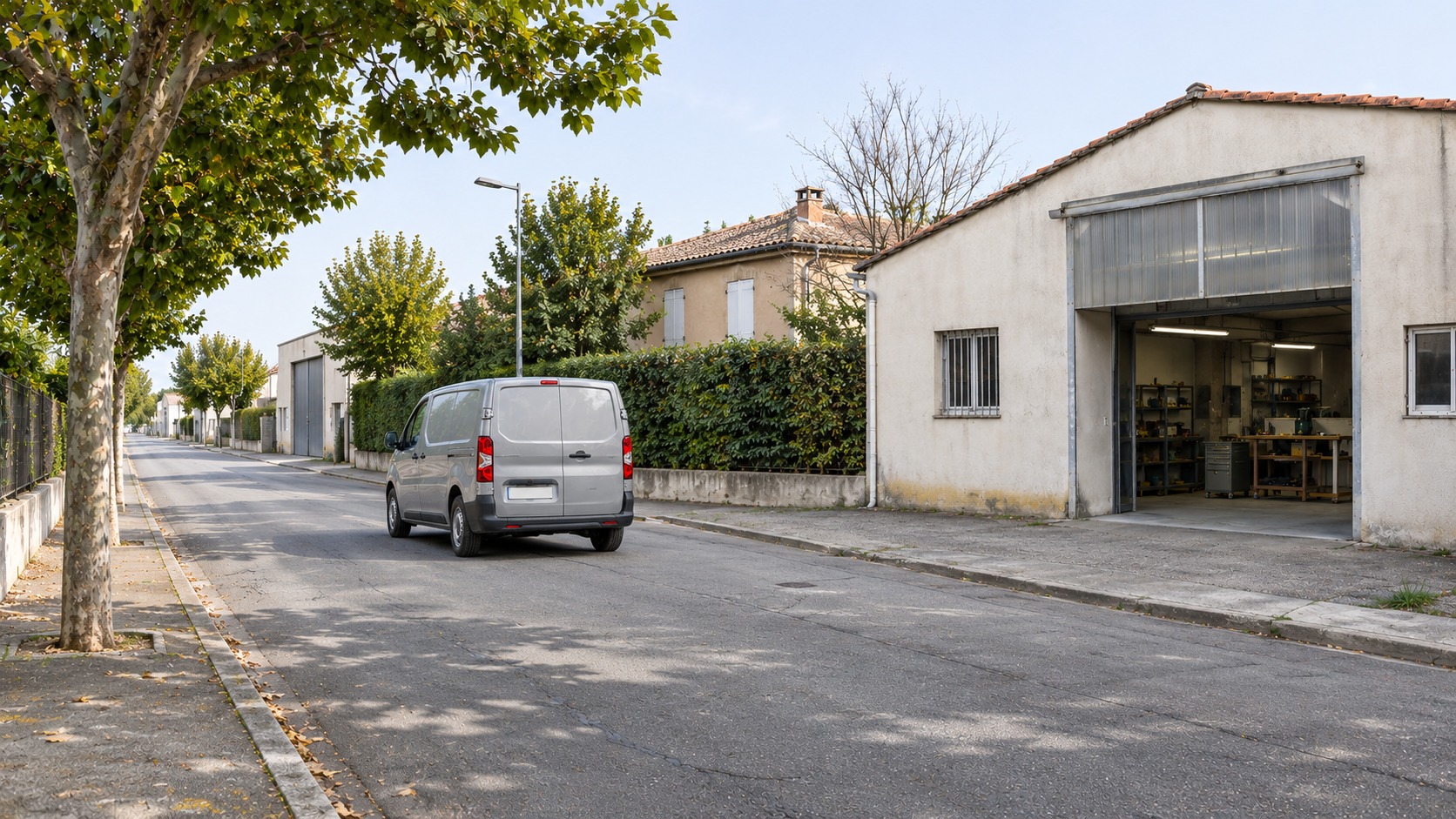
    A gray utility vehicle runs down the street away from the building.

Findings

Delineated result: The presence of a vehicle does not prove the care of a child. A staggered appointment, a present car or a telephone call is not sufficient to establish that a discount has been held, nor to attribute the cause of a delay to one of the parents. On reading these five notes, the scenario does not make it possible to fill the periods without observation or to deduce a hidden fact from a public index. The useful piece to be reconciled would, in this scenario, be a confirmation of appointments directly exchanged between adults, without new data relating to the child. The existence of an appointment or an object is not sufficient to prove an agreement. The disagreement of the parties and the possibility of a contradictory piece remain explicit. The fictional report does not rule on rights, does not authenticate any real documents and does not characterize any infringement or fault.

Scope of territorial benchmarks: place names are geographical landmarks of the scenario, not real places of observation. Their spelling and the administrative relationship of the neighbourhood are read in the territorial file attached to the template; these references do not allow any personal attribution.

Use in legal proceedings: the present scenario “Adaccording document on parental journeys”, located fictionally in Aspremont, cannot be produced as evidence of a real fact. The admissibility of authentic documents depends on their legal obtaining and the assessment of the competent court.

Family investigationPermission to use a commercial photographRead the reportClose the report

Fictional observation · 07:50–13:20 · 5 h 30 min

Background and instructions

The present study features “Authorization of the use of a commercial photograph” in the commune of Aspremont (06). A merchant claims that a competing brand operates a photograph without permission. The fictional file compares only the public media and the pieces of rights provided. The editorial attachment is the agency CONFIDENCIA Nice. This is not a command received or a mission performed: the following schedules and events were invented to present a neutral drafting method. The question concerns the concordance between a written undertaking and an event accessible to the visually available, without qualifying fraud, competition or professional defect solely on the basis of a time difference. The aim of the report is to present what the scenario allows to note and what it prohibits from concluding.

The simulated observation period starts at 07:50 and ends at 13:20, i.e. 05:30; it thus follows a minimum of five hours, but does not correspond to any real presence on the ground. The analysis juxtaposes the vouchers, public schedules, commercial media or supporting documents voluntarily communicated, then a neutral statement of the passages or displays visible from the public highway. Unauthorized internal parts are never sought. The titles of places of Aspremont are editing points. The indicative communal source is https://Aspremont.fr/; its content must be re-read before any final publication. In a real report, the time of writing should not be confused with the observation time, and the traceability of an image must be distinct from its legend. No image presented in this file constitutes a probative photograph.

Chronology

  1. 07:50

    Photograph of the first public display

    Observation 1 - 07:50. Photograph of the first public display. The description relates only to the appearance of the public support at this time. His paternity, date of creation or existence of exploitation rights are not inferred from the visibility of the document. The reasoning distinguishes the alleged materiality from the qualification that one of the parties might wish to give it; the two are not equivalent. This sequence does not describe the interlayer periods: the fictional observer derives no continuous certainty. The following visual is a generic illustration, without a probative link with the scenario.

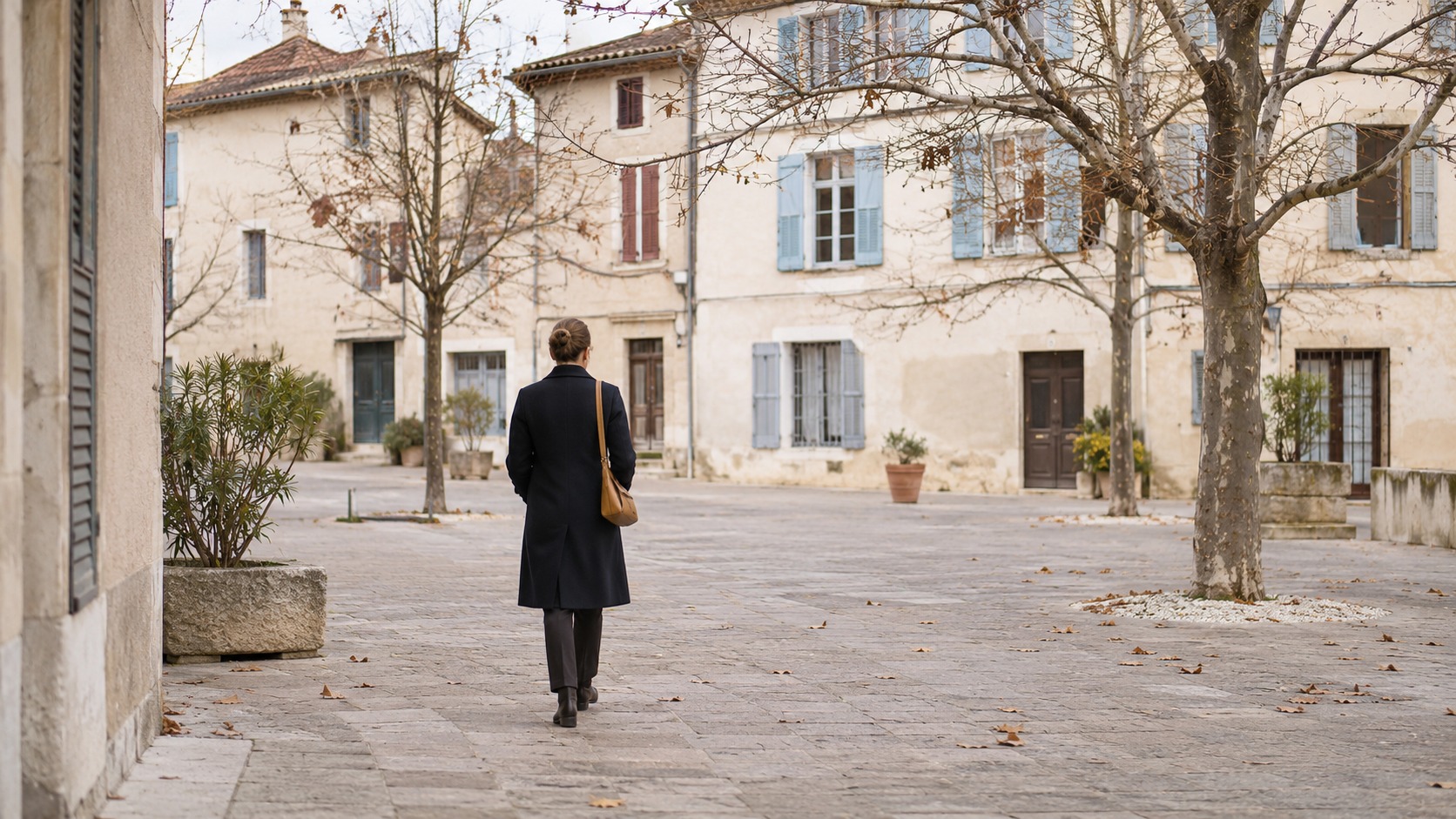
    A dark-cloak person walks alone in a square.
  2. 09:15

    Statement of accessible promotional support

    Observation 2 - 09:15. Statement of accessible promotional support. The description relates only to the appearance of the public support at this time. His paternity, date of creation or existence of exploitation rights are not inferred from the visibility of the document. A terrain notation valid for an instant does not become a continuous observation; an interval between two passes remains an unobserved interval. The time is used to bring documents closer to the documents of the assignment; it does not establish an identity or the legal scope of an event. The following visual is a generic illustration, without a probative link with the scenario.

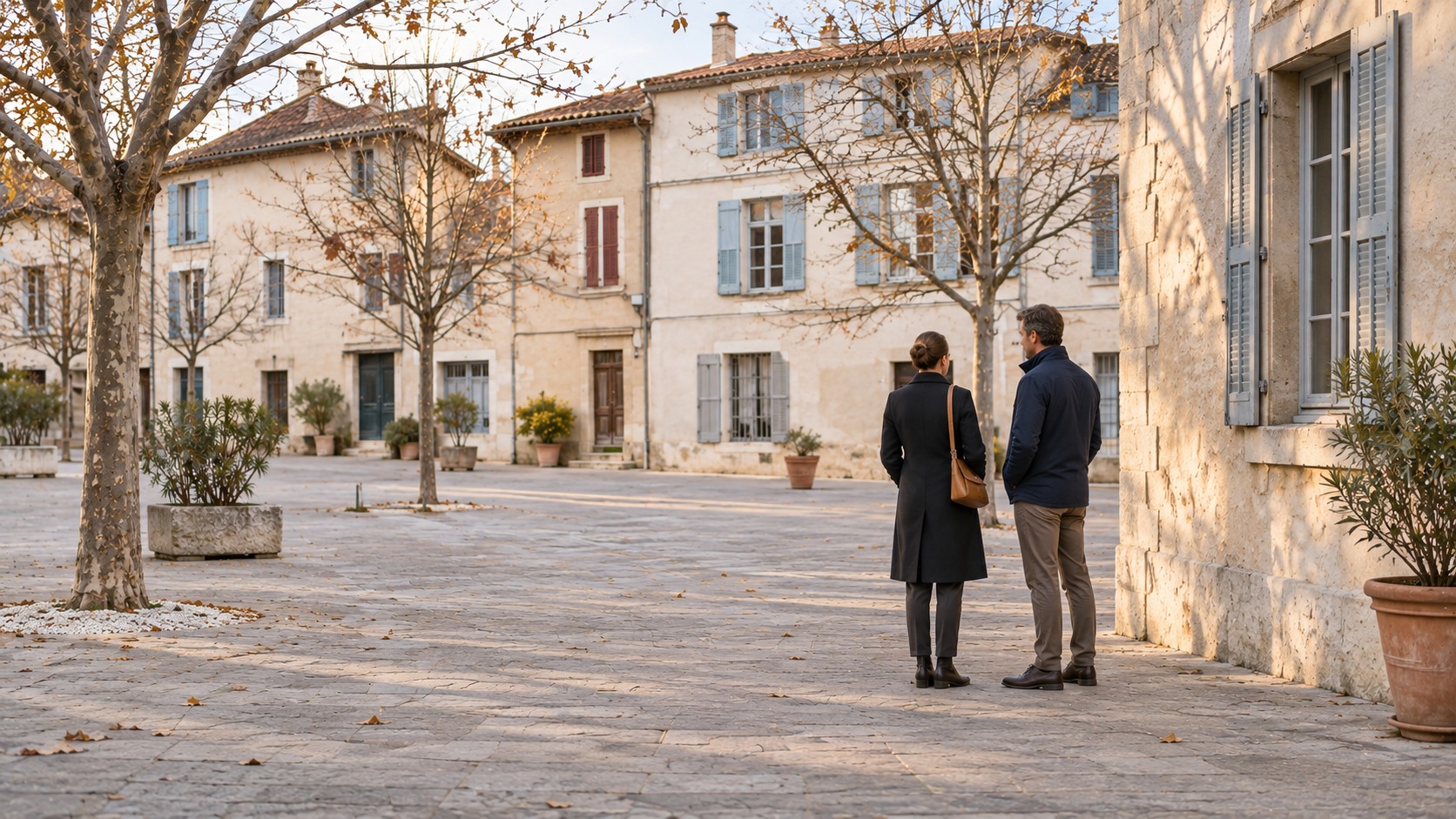
    Two adults face each other at the edge of a seat.
  3. 10:30

    Comparison of edited versions

    Observation 3 - 10:30. Comparison of edited versions. The opposite assumption remains acceptable when the observed point is compatible with several explanations; no addition can be presented as already verified. To facilitate an adversarial review, the wording of this step remains consistent with the assumption of a different explanation or a missing document. This sequence does not describe the interlayer periods: the fictional observer derives no continuous certainty. The following visual is a generic illustration, without a probative link with the scenario.

    Two people are sitting at a terraced table.
  4. 11:55

    Identical display re-observed from the track

    Observation 4 - 11:55. Identical display re-observed from the track. This note does not artificially complete the initial description: the characteristics absent from the source are retained as unknown. The geographical reference frame is only used to order the places mentioned; it does not demonstrate a continuous path or personal geolocation. The time is used to bring documents closer to the documents of the assignment; it does not establish an identity or the legal scope of an event. The following visual is a generic illustration, without a probative link with the scenario.

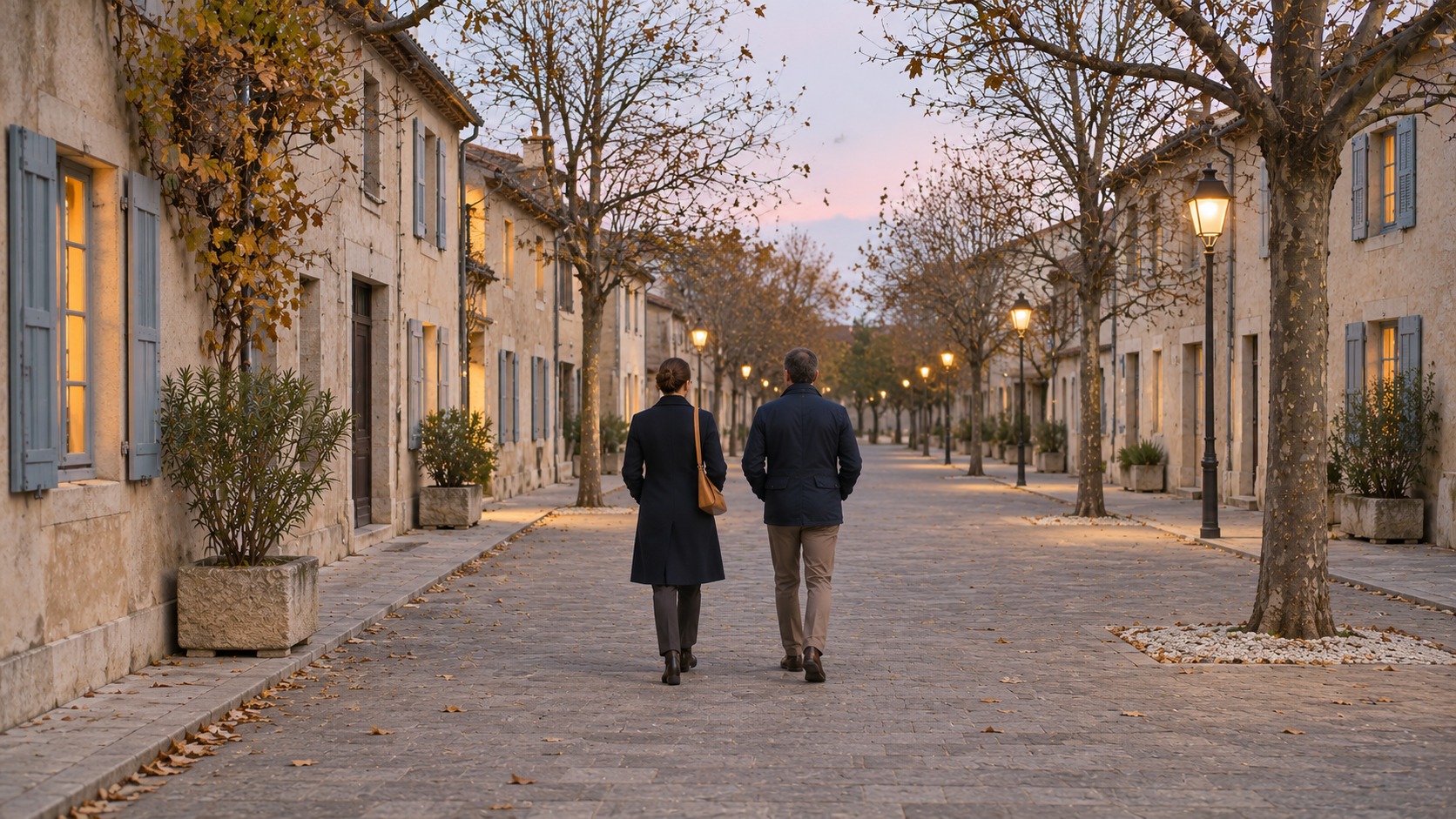
    Two people seen from behind walk down side by side in a street.
  5. 13:20

    Closing after 05:30

    Observation 5 - 13:20. Closure after 05:30. The stopping of the observation range is a time limit, not proof of an event that occurred outside this range. Any gap is retained in the synthesis. The working table associates this line its origin, its time, the field that is truly visible and the statement “undetermined” when the information is missing. The synthesis does not complete the reverse chronology and does not attribute any intention to a person. The following visual is a generic illustration, without a probative link with the scenario.

    Two people are located near a car with a door open.

Findings

Delineated result: Only the examination of the rights and originals could qualify an illegal exploitation. The similarity of a sign, the movement of a package or the presence of a vehicle do not establish a contractual breach, theft or unlawful use: alternative assumptions must be retained. On reading these five notes, the scenario does not make it possible to fill the periods without observation or to deduce a hidden fact from a public index. An adversarial check of signed vouchers, rights of use or delivery history could remove the point of uncertainty. The existence of an appointment or an object is not sufficient to prove an agreement. The disagreement of the parties and the possibility of a contradictory piece remain explicit. The fictional report does not rule on rights, does not authenticate any real documents and does not characterize any infringement or fault.

Scope of territorial benchmarks: place names are geographical landmarks of the scenario, not real places of observation. Their spelling and the administrative relationship of the neighbourhood are read in the territorial file attached to the template; these references do not allow any personal attribution.

Use in legal proceedings: the present scenario “Authorization for the use of a commercial photograph”, fictionally located in Aspremont, cannot be produced as evidence of a real fact. The admissibility of authentic documents depends on their legal obtaining and the assessment of the competent court.

Use in court
In an actual case, the judge assesses the report’s admissibility and evidential weight in light of the circumstances, including the right to evidence and respect for privacy.

Frequently asked questionsInvestigations in Aspremont · Nice office
Which package is recommended for an infidelity investigation?

For surveillance relating to suspected infidelity, the recommended package is 30 hours. The quote depends on the relevant time windows and how much surveillance is needed.

View fees and packages
How much does a private investigator in Aspremont charge?

Address tracing costs €1,290 including VAT. Surveillance packages cost €1,290 for 10 hours, €3,690 for 30 hours and €7,290 for 60 hours. All prices include VAT.

View fees and packages
Is it legal to hire a private investigator?+

Yes. Private investigation in France is regulated by the Internal Security Code (Article L. 622-9). You can engage an agency licensed by CNAPS to protect a legitimate interest.

Can an investigation report be used in court?+

Yes. A report may be submitted as evidence in civil, family, employment or commercial proceedings. The judge decides whether to admit it and what weight to give it, considering whether producing the evidence was indispensable and any interference with rights was proportionate (French Court of Cassation, 22 December 2023, no. 20-20.648).

What should I prepare for an investigation in Aspremont?+

To discuss an investigation in Aspremont, call us or arrange an appointment at ourNice office. Note down the facts you want checked, the dates and locations you know and what you hope to establish. You do not need to send sensitive documents at this stage. If a lawyer is already assisting you, they can join the consultation.

What equipment does a private investigator use?+

Depending on the assignment, an investigator uses a notebook, a still camera or a video camera to document facts objectively from public space. The work must respect privacy under Article 226-1 of the French Criminal Code.

How soon can an investigation start in Aspremont?+

We confirm the first available time once we have reviewed the facts to be checked, the location and our availability. We give a separate timeframe for delivering the report.

Can my solicitor receive the investigation report in Aspremont?+

With the client’s consent, the agency can send the report and agreed exhibits to their lawyer. The report records the facts observed and the checks carried out.

Which office handles investigations in Aspremont?

The Nice office coordinates investigations in Aspremont. Call us or arrange an appointment at our local office.

Can I contact you at weekends?

Yes. You can reach the director on Saturdays and Sundays, from 08:00 to 20:00, on 06 14 07 09 25.

NewsNews from our Nice office
Confusion between two shops in Nice: documenting a potential competition issue+

In a shopping district in Nice, two businesses may offer similar services and use similar visual branding.

At a glance

The first sign of confusion may come at the counter. Customers may be looking for the other shop, present a voucher issued elsewhere or call about a reservation your team cannot find.

To prepare an unfair competition enquiry, document the actual instances of confusion and the circumstances in which they arose.

Record misdirected enquiries as they happen

Ask staff to record the date, the channel and the words the customer used without prompting. A complaint about another shop, a misdirected call and a delivery to the wrong address are distinct events. Keep the record simple and omit unnecessary customer contact details. Where a message was sent directly to you, retain the original with its context.

Follow the route a customer takes

Someone arriving on foot encounters different signs from someone looking up the shop on a phone. Record what is visible from the street. Separately record online results, the search terms and the date. Opening hours, street details or booking instructions alone may explain some discrepancies. A screenshot of the whole page shows what the customer saw before clicking.

Compare names and materials over time

Gather your own dated materials, such as a shopfront photograph, an old leaflet or confirmation of a listing update. List the other business’s public material separately. Where names are similar, identify where the resemblance matters: lettering size, the description of a service, a map pin or the order in a directory. Keep a separate column for actual reports of confusion.

Give the private investigator a specific question

Your lawyer can assess the significance of the material. A focused enquiry for our Nice agency might ask whether directions available to the public regularly lead customers to another shop. A summary separates direct observations, reports from others and open questions to help you decide on the next step.

Explore the CONFIDENCIA Nice agency

Shared custody in Nice: distinguishing facts from suspicions+

When a disagreement about a child’s living arrangements continues in Nice, worries and second-hand accounts can become difficult to distinguish from verifiable facts.

At a glance

A shared custody enquiry requires a legitimate purpose, proportionate methods and a precise definition of what needs to be established. It does not permit unrestricted surveillance of a minor.

Identify the issue before considering surveillance

For repeated late handovers, disputed times or conflicting information, begin with a written chronology. Record dates, meeting places and specific incidents without characterising the other parent’s attitude. The child’s best interests come first. Our Nice private investigation agency assesses feasibility only where the chronology identifies a specific need.

What an observation can establish

A one-off enquiry may confirm a journey, a presence at a particular time or a sequence of events lawfully observable. That alone cannot establish whether a parent is fit to exercise their rights. We date observations and distinguish them from interpretations. The lawyer assesses their relevance in light of the circumstances and rules of evidence.

Respecting privacy

A private investigator has no police powers. They cannot secretly enter a home, intercept communications or use a tracking device without a lawful basis. The methods must be necessary and proportionate. CNAPS sets out the duties of regulated professionals. Protecting the rights of those involved rules out indiscriminate collection of information in a family dispute.

Agree the timetable and budget with your lawyer

School pick-up times, midweek handovers and holidays present different constraints. Choose a focused session with a clear purpose. Our Nice fees allow us to quote in advance. For events in a nearby town, our Cannes team can assist within the agreed scope.

Gather court decisions, the non-confidential correspondence you already have and the key dates. Set out the facts without making accusations. A confidential first conversation helps establish whether an investigation would clarify the situation. The family dispute itself is for the judge to decide.

Business identity impersonation in Nice: spotting a false payment request+

A familiar supplier sends new bank details, an invoice looks genuine or an urgent payment request comes from an address almost identical to one you recognise.

At a glance

Shops, professional practices and service companies in Nice can encounter these situations without any apparent change in their business relationship.

Often the first evidence to gather is already in the company’s possession.

Re-establish contact through a known channel

Compare the message with earlier correspondence. The same display name can conceal a different email address. Check the change with your usual contact using the number already in your records. Confirm the beneficiary and invoice reference. If payment has gone through, call your bank immediately and note the time, transaction reference and department reached.

Preserve messages and attachments

Keep the original email with its headers, attachments and related messages. A screenshot is useful for reading, while the original file allows closer examination. Record when the new details appeared and who could see or approve the change. Limit access to the people dealing with the incident.

Distinguish the incident from the loss

An attempt stopped before a transfer and a payment already sent require different checks. In either case, build a timeline linking the request, internal approvals and subsequent action. Record separately the amount paid, orders affected and any messages sent to customers or suppliers in your company’s name. These distinctions help when speaking to your bank or lawyer.

If multiple suppliers received the same request, record the date, channel and reference used for each. This may distinguish an isolated exchange from a series of approaches.

Define the checks needed in Nice

If documents contain several trading names, addresses or websites, an investigation can cross-check accessible information and flag uncertain connections. Give the agency the timeline, the specific question and the documents you already hold. This helps identify which further checks could add information.

Explore the CONFIDENCIA Nice agency

Tracing a debtor in Nice: what can be checked before proceedings?+

An unpaid debt can quickly create difficulties for an individual, trader or company.

At a glance

In Nice, the first response is often to send more reminders.

When contact details become unreliable or circumstances appear to have changed, separate what can be verified from what is assumed. A debtor-tracing enquiry in Nice can help prepare a documented and proportionate response.

Define the question before starting the search

Begin with the legal purpose of the case. Do you need an address for service, evidence of business activity or an explanation for an unsuccessful procedure? Proof of the debt, earlier correspondence and information already held help establish the scope. Our Nice agency reviews the request and explains the applicable limits before starting work.

Cross-check information against reliable sources

An old address, a public online profile or a third-party report cannot establish the current position on its own. Useful checks combine lawful sources, a timeline and corroboration. Where appropriate, a visit may confirm or rule out a lead while respecting privacy. Date observations, preserve their source and distinguish facts from interpretations so that decisions rest on reliable evidence.

Prepare the case with a legal professional

A lawyer or judicial officer can advise which information matters for the contemplated proceedings. The report describes the steps taken and their limits. The outcome is for the court. Our private investigation fees provide an initial guide to the conditions of an engagement. If warranted, we can work across several towns in the Alpes-Maritimes with our Cannes agency.

Maintain confidentiality and proportionality

The enquiry provides no access to protected records or confidential banking information. Checks require a legitimate purpose and respect for the rights of those concerned. CNAPS sets out the checks and authorisations that apply to the profession. These safeguards are as much a part of case preparation as confidential communication and secure handling of documents.

Before incurring costs, gather existing documents and identify the precise question. Our article on choosing a private investigator in Nice explains how to select a provider. An initial confidential discussion can then assess the feasibility and practical value of the enquiry.

Fictional case · An agreement on shared parenting journeys+

Exclusively fictional pedagogical material. No real customer, no act of supervision actually carried out, no identifiable target person. Reinside: CONFIDENCIA Nice.

Background and limited issue

In this entirely fictional example located at Aspremont (06), a family discusses a succession of appointments outside the home. The study remains focused on the schedules indicated by adults and does not present any recognizable minor. The request is examined by the CONFIDENCIA Nice agency, without any actual intervention performed or a client or genuine person. The problem is deliberately confined to “agreement document on parental journeys”: the useful question is the match between hours, documents and material elements, not the search for alleged misconduct. The first precaution is to separate the schedules announced by adults from events that are actually visible; no assessment of parental qualities, privacy or the situation of a child can arise from mere presence.

Method and precautions

Exchanges provided voluntarily by the customer are used to set the reference times. The external survey refers only to material events in places accessible to the public; no observation is sought after the domicile, school life or identity of a minor. The municipality of Aspremont serves as a geographical framework for the exercise. The territorial source of work is https://Aspremont.fr/; it does not take the place of proof of movement or validation of an act. The proper names, sensitive data and any image of an identifiable person would be excluded from the public document. The scenes do not allow any intrusion, interception and clandestine collection.

Fictional case

At the opening of the slot, 08:15, the frame notes: “At the observed public meeting point”. This episode should be reconciled with the assignment only for its schedule and the material elements explicitly described; the cause and intentions of the interveners remain undetermined.

At the next stage, 09:30, the frame notes: “Go to the Move by Message”. Calendar information is noted as coming from an exchange, not as an autonomous scene. The date of issue of the message should remain separate from the time announced for the event.

In the central part of the observation period, 10:50, the frame notes: “First arrival, identity not attributable”. The opposite assumption remains acceptable when the observed point is compatible with several explanations; no addition can be presented as already verified.

Later, at 12:15, the frame notes: “No family delivery confirmed”. This observation describes a limited visibility interval: it does not allow the reconstitution of what may have occurred before arrival or in places not accessible to the gaze.

At the fence, at 13:45, the frame notes: « Closure after 05:30 ». The stopping of the observation range is a time limit, not proof of an event that occurred outside this range. Any gap is retained in the synthesis.

Education and possible follow-up

The pedagogical conclusion must remain exactly limited to what is described: the presence of a vehicle does not prove the care of a child. A staggered appointment, a present car or a telephone call is not sufficient to establish that a discount has been held, nor to attribute the cause of a delay to one of the parents. The useful piece to be reconciled would, in this scenario, be a confirmation of appointments directly exchanged between adults, without new data relating to the child. Any discrepancies between the versions of the parties should be retained in their original formulation, rather than being smoothed to produce a more convincing history. This case shows the difference between a detailed observation, a working hypothesis and a usable proof after checking its provenance. No judicial decision is alleged.

A fictional teaching example unrelated to any actual investigation.

Fictional case · Permission to use a commercial photograph+

Exclusively fictional pedagogical material. No real customer, no act of supervision actually carried out, no identifiable target person. Reinside: CONFIDENCIA Nice.

Background and limited issue

In this entirely fictional example located at Aspremont (06), a trader claims that a competing sign operates a photograph without permission. The fictional file compares only the public media and the pieces of rights provided. The request is examined by the CONFIDENCIA Nice agency, without any actual intervention performed or a client or genuine person. The problem is deliberately confined to “authorization to use a commercial photograph”: the useful question is the match between hours, documents and material elements, not the search for alleged misconduct. The question concerns the concordance between a written undertaking and an event accessible to the visually available, without qualifying fraud, competition or professional defect solely on the basis of a time difference.

Method and precautions

The analysis juxtaposes the vouchers, public schedules, commercial media or supporting documents voluntarily communicated, then a neutral statement of the passages or displays visible from the public highway. Unauthorized internal parts are never sought. The municipality of Aspremont serves as a geographical framework for the exercise. The territorial source of work is https://Aspremont.fr/; it does not take the place of proof of movement or validation of an act. The proper names, sensitive data and any image of an identifiable person would be excluded from the public document. The scenes do not allow any intrusion, interception and clandestine collection.

Fictional case

At the opening of the slot, 07:50, the frame notes: “Photography of the first public display”. The description relates only to the appearance of the public support at this time. His paternity, date of creation or existence of exploitation rights are not inferred from the visibility of the document.

At the next stage, 09:15, the frame notes: “Relevé de l'un promotional support accessible”. The description relates only to the appearance of the public support at this time. His paternity, date of creation or existence of exploitation rights are not inferred from the visibility of the document.

In the central part of the observation period, 10:30, the frame notes: “Comparison of the edited versions”. The opposite assumption remains acceptable when the observed point is compatible with several explanations; no addition can be presented as already verified.

Later, at 11:55, the frame notes: “identical display re-observed from the track”. This note does not artificially complete the initial description: the characteristics absent from the source are retained as unknown.

At the fence, at 13:20, the frame notes: « Closure after 05:30 ». The stopping of the observation range is a time limit, not proof of an event that occurred outside this range. Any gap is retained in the synthesis.

Education and possible follow-up

The pedagogical conclusion must remain exactly limited to what is described: only the examination of the rights and originals can qualify an illicit exploitation. The similarity of a sign, the movement of a package or the presence of a vehicle do not establish a contractual breach, theft or unlawful use: alternative assumptions must be retained. An adversarial check of signed vouchers, rights of use or delivery history could remove the point of uncertainty. Any discrepancies between the versions of the parties should be retained in their original formulation, rather than being smoothed to produce a more convincing history. This case shows the difference between a detailed observation, a working hypothesis and a usable proof after checking its provenance. No judicial decision is alleged.

A fictional teaching example unrelated to any actual investigation.

Aspremont · Nice office

Call the agency

Every day, 08:00–20:00.

Illustration of a professional taking a call in his office.

Speak to Benoit Avril

Speak directly with the director. Free advice and quote.

Outside office hours: email us.

  • Licensed agency
  • Reports for use in court
  • Professional secrecy
  • Google reviews 5.0/5