
PRIVATE INVESTIGATOR SOLLIÈS-TOUCAS
Private Investigator in Solliès-Toucas Enquiries – Surveillance – Investigations – Evidence
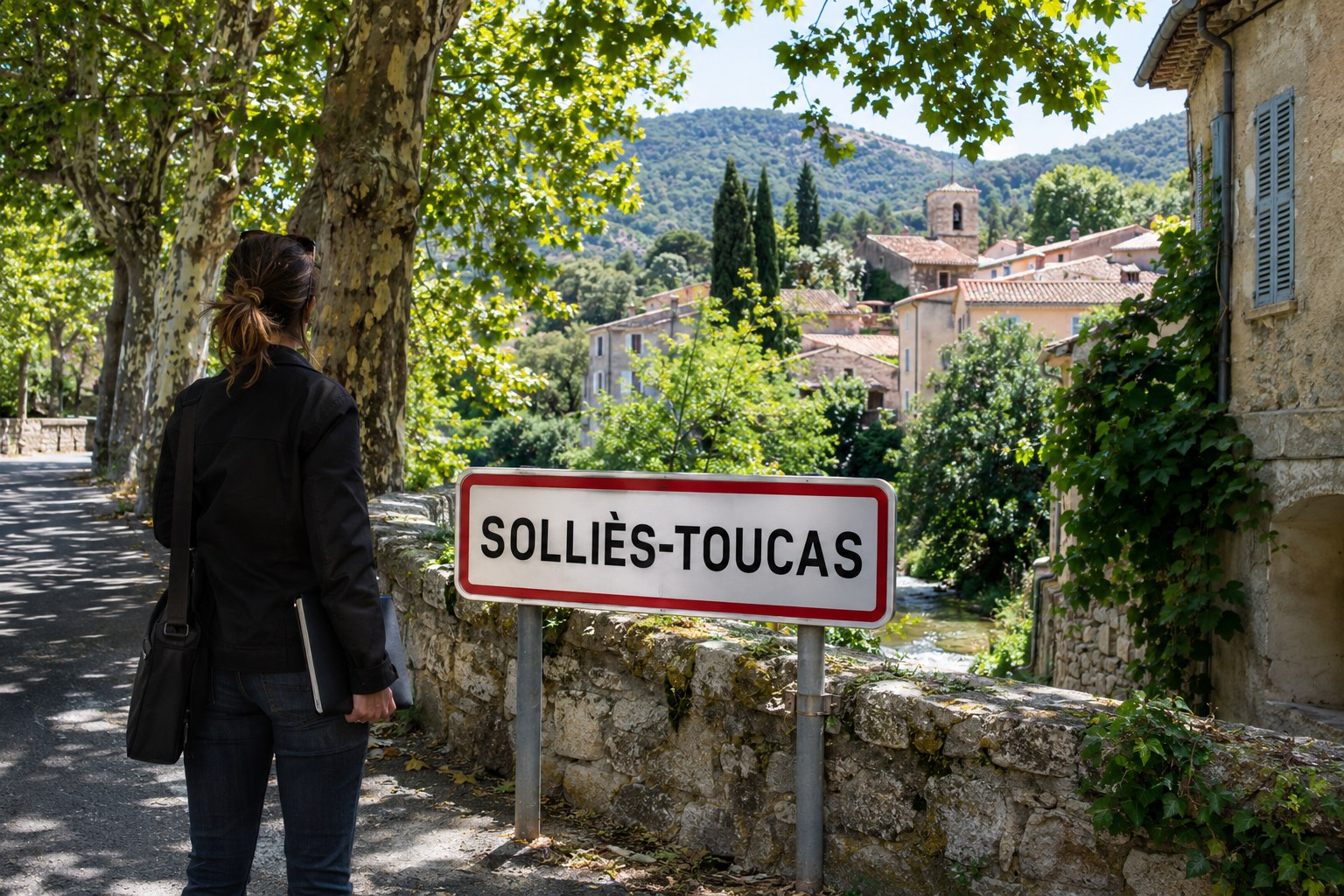
Illustration of an investigator near the Solliès-Toucas town sign.
Surveillance & Field Investigations · Private Investigator in Solliès-Toucas
SOLLIÈS-TOUCAS · 83210 · Toulon office

Private Investigator in Solliès-Toucas

Surveillance and private investigations in Solliès-Toucas for individuals, businesses and solicitors. Our Toulon office coordinates your case.

Immediate response · Free quote · Advice tailored to your case

Toulon office Toulon office
Director trained in law 10 years of experience
Investigation reports For your lawyer
Professional secrecy Strict confidentiality
Tailored investigations · Var (83)

Our private investigation services in Solliès-Toucas

Our investigators document facts for family and business cases in Solliès-Toucas. Explore our surveillance, mobile observation and address tracing services.

Individuals

Family, assets and loved ones

Adultery and divorceView serviceClose

What the investigation can establish

Objective evidence of infidelity and breaches of marital duties under Article 212 of the French Civil Code can support a fault-based divorce case before a family court judge.

A targeted investigation can document journeys, meetings or circumstances observable in public places to inform your lawyer’s case. The report draws a clear distinction between verified observations and assumptions.

How the investigation works

  1. Agree the relevant facts with your lawyer and assess the locations in advance.
  2. Make lawful observations in places accessible to the public.
  3. Provide a dated chronology and the relevant photographs.

What you receive

Your lawyer can assess whether to submit the findings as evidence. In divorce proceedings, evidence obtained through violence or fraud is excluded.

Child custodyView serviceClose

What the investigation can establish

Where there is a legitimate interest, a proportionate enquiry can help locate a parent or establish repeated failures to comply with contact or overnight arrangements.

How the investigation works

  1. Review the existing order or judgment.
  2. Identify the specific events that need checking.
  3. Make discreet observations with due regard for the children.

What you receive

The report sets out when the events took place and in what circumstances. Your lawyer can assess their relevance to your family case.

Child maintenanceView serviceClose

What the investigation can establish

Evidence of undeclared work, a concealed standard of living or an openly established cohabiting relationship can support a request to review child maintenance or a compensatory payment on divorce.

Lawful enquiries into employment or apparent undeclared activities can help document an application to review child maintenance or a compensatory payment.

How the investigation works

  1. Cross-check information from public and lawfully accessible sources.
  2. Verify the facts on the ground.
  3. Bank accounts and protected tax records are outside the scope of the enquiry.

What you receive

The report sets out the facts gathered about activities or apparent living standards, for consideration alongside the other evidence.

Tracing a personView serviceClose

What the investigation can establish

We use records and on-site checks to verify addresses for debtors, heirs or missing relatives where there is a legitimate reason for the enquiry.

A tracing enquiry can help locate a beneficiary of an estate, a debtor or a relative where there is a legitimate family reason for making contact.

How the investigation works

  1. Review the identifying details and leads you provide.
  2. Search records through lawfully accessible sources.
  3. Verify the identified address in person.

What you receive

You receive an account of the checks and their outcome. Whether an address can be disclosed depends on the reason for the request and the applicable data protection requirements.


Businesses

Operations, employees and assets

Suspected sick leave abuseView serviceClose

What the investigation can establish

We conduct proportionate checks into suspected paid work or work for a competitor during sick leave, alongside any independent medical assessment.

When an employer has specific indications of a breach of loyalty, an investigation can document suspected paid work or work for a competitor.

How the investigation works

  1. Review the need for the enquiry with the employer’s lawyer.
  2. Make non-intrusive observations from outside, without collecting any medical information.
  3. Date and cross-check observations in a factual report.

What you receive

Seeing someone go out or take part in an activity does not establish misuse of sick leave. The report describes what happened. The company’s lawyer assesses its significance.

Unfair competitionView serviceClose

What the investigation can establish

We document diversion of customers, large-scale poaching of employees or breaches of a non-compete clause in Solliès-Toucas and in nearby towns.

We gather dated observations and tangible evidence to help the company’s lawyer prepare an application for an evidence-gathering order or bring a claim before the commercial court.

How the investigation works

  1. Define precisely which facts need documenting.
  2. Carry out field enquiries into observable business approaches.
  3. Keep a clear record of the evidence and provide a detailed report.

What you receive

The report distinguishes the approaches actually observed from the initial suspicions so your lawyer can assess the available options.

Internal theft and fraudView serviceClose

What the investigation can establish

We investigate missing goods, misappropriation of equipment and falsified expense claims in accordance with the French Labour Code.

Document a specific incident, such as misappropriated goods or losses in the supply chain, within a defined scope and without general or indiscriminate monitoring of staff.

How the investigation works

  1. Define the scope of the investigation.
  2. Make targeted observations in line with employment law.
  3. Provide a chronological report that your lawyer can use.

What you receive

The findings focus on the identified irregularities and are presented chronologically within the scope agreed in the engagement.

Commercial disputesView serviceClose

What the investigation can establish

We investigate solvency before legal action, verify assets and trace addresses for company directors or debtor companies.

Verify whether a business is operating, whether it has a physical presence and which facts may help with negotiations or debt recovery.

How the investigation works

  1. Conduct detailed research using documents and lawful sources.
  2. Carry out checks on site.
  3. Cross-check the findings and summarise the facts.

What you receive

The summary distinguishes verified facts from outstanding questions. It can inform negotiations or debt recovery.

Legal professionals

Evidence gatheringView serviceClose

What the investigation can establish

We prepare detailed, dated reports supported by photographs for use in court, in accordance with Article 9 of the French Code of Civil Procedure.

We plan the investigation around the facts to be established and the documents already on file, then provide the client with a chronological report.

How the investigation works

  1. Discuss the background to the dispute.
  2. Agree a precise and proportionate scope of work.
  3. Provide a chronological report with photographic exhibits.

What you receive

The report distinguishes direct observations from information that still needs checking. The client may authorise us to send it to their lawyer.

Pre-trial investigationsView serviceClose

What the investigation can establish

Preliminary investigations can support an application under Article 145 of the French Code of Civil Procedure, for example for a court-authorised formal record by a judicial officer.

We work alongside the judicial officer to provide verified background facts supporting a legitimate need to preserve or establish evidence before proceedings begin.

How the investigation works

  1. Identify the evidential issue.
  2. Gather observable facts using proportionate means.
  3. Prepare a structured factual summary for an application or interim proceedings.

What you receive

The report can help the lawyer assess whether to seek a pre-trial order. The judge decides whether to grant it.

Family casesView serviceClose

What the investigation can establish

Targeted surveillance and asset enquiries to support the law firms handling the case.

Support the lawyer’s strategy with precise observations that respect the privacy of those involved.

How the investigation works

  1. Agree the scope of work with the lawyer.
  2. Limit observations to the relevant facts.
  3. Keep a precise record of dates, times and places.

What you receive

Depending on the agreed scope, the report focuses on facts relevant to separation, the child’s residence or the parties’ financial means.

Employment disputesView serviceClose

What the investigation can establish

We gather relevant facts for French employment tribunal proceedings using proportionate means, in line with Court of Cassation case law.

Gather proportionate evidence for proceedings before an employment tribunal or commercial court.

How the investigation works

  1. Confirm the legal scope before starting work.
  2. Make targeted and dated observations.
  3. Provide a detailed report with supporting documents for the lawyer.

What you receive

You receive a chronology of the observations and the relevant exhibits. The judge assesses the admissibility and evidential weight of the report.

Free quote · VAT included

Transparent fees

Surveillance packages at the same rate for nights, weekends and public holidays.

Investigation fees in Solliès-Toucas

Tracing

Address tracing

Records search and on-site verification
€1,290 incl. VAT
Focused
10-hour package
Field surveillance
€1,290 incl. VAT
Extended
60-hour package
Field surveillance
€7,290 incl. VAT
What the package covers

Included in the package

  • Field surveillanceFieldwork carried out by a CNAPS-licensed investigator.
  • Preparation and site assessmentWe check access and prepare the fieldwork.
  • Case fee includedThe price includes the €90 case fee.
  • Travel includedMileage is included in the price.
  • No out-of-hours surchargeNights, weekends and public holidays are included.
  • Investigation report and exhibitsA detailed report and photographs for your lawyer

Terms

Minimum of 5 hours per assignment session.

Personalised quotes are available for longer investigations.

Testimonials · Google

Client reviews in Solliès-Toucas

Our Toulon office handles investigations in Solliès-Toucas. The Google rating is for this office. The testimonials are from the CONFIDENCIA network.

Google rating for our Toulon office

Testimonials from the CONFIDENCIA network

Credentials and CNAPS authorisation

The office serving Solliès-Toucas

The Toulon office coordinates investigations in Solliès-Toucas.

9 boulevard de Strasbourg, 83000 Toulon

View our Toulon office

Retouched image · CONFIDENCIA Investigations® · Private Investigator in Toulon · 9 boulevard de Strasbourg, 83000 Toulon

Benoit Avril

Agency director

LinkedIn profile
  • Law · Université de Nîmes
  • Management · École Nantaise de Commerce
  • Over 10 years’ experience · Speaks French and English
Registration and licences
SIREN753 071 109
Toulon SIRETOngoing
APE activity code8030Z — Investigation activities
CNAPS operating licenceNumber under verification
Director’s licenceAGD-006-2027-05-18-2022571344
Professional cardCAR-006-2027-05-09-20220571344
Local coverage

Areas we cover in Solliès-Toucas

The Toulon office coordinates investigations in Solliès-Toucas, with attention to the locations and times relevant to each enquiry.

Local landmarks in Solliès-Toucas

The hamlet of Valaury and the old centre of Solliès-Toucas are two useful sectors to be distinguished during a first contact. A resident may indicate “in Valaury” while the transmitted document mentions the Avenue de Valaury, without a lane number.

For a service announced in the Gapeau Valley, the Toulon agency may bring the address on the quotation closer to the place of intervention on the signed voucher. A letter received in Belgentier may be submitted to the same file, while at the same time concerning another interlocutor.

Neighbourhoods

  • Centre ancien
  • Hameau de Valaury
  • Place Bramafan
  • Place Gambetta
  • Place Bonnefont
  • Avenue de Valaury
  • Avenue Constantin Arnaud
  • Avenue Camille Flammarion
  • Chemin de Guiran
  • Route Forestiére
  • Route de Valaury
  • Rue des Ecoles

Neighbouring municipalities

Guidance and examples

Resources

How to prepare your enquiry and what to expect from an investigation report.

Investigation reportsTwo fictional cases in Solliès-Toucas

These are fictional scenarios. The photographs illustrate the actions and situations described.

Workplace investigationA set of keys and a reported locksmith visitRead the reportClose the report

Fictional observation · 07:45–13:15 · 5 h 30 min

Background and instructions

An absentee employee would have changed a lock. The customer relies on keys seen near a vehicle; the fictional report distinguishes their handling of a door pose. In this fictional case in Solliès-Toucas, the client asks what could be observed during the agreed period and in what order. The account given at the outset is retained for comparison with the later observations. A and B refer only to the fictional adults in this example. The five illustrations explain the chronology and do not depict any actual client.

Chronology

  1. 07:45

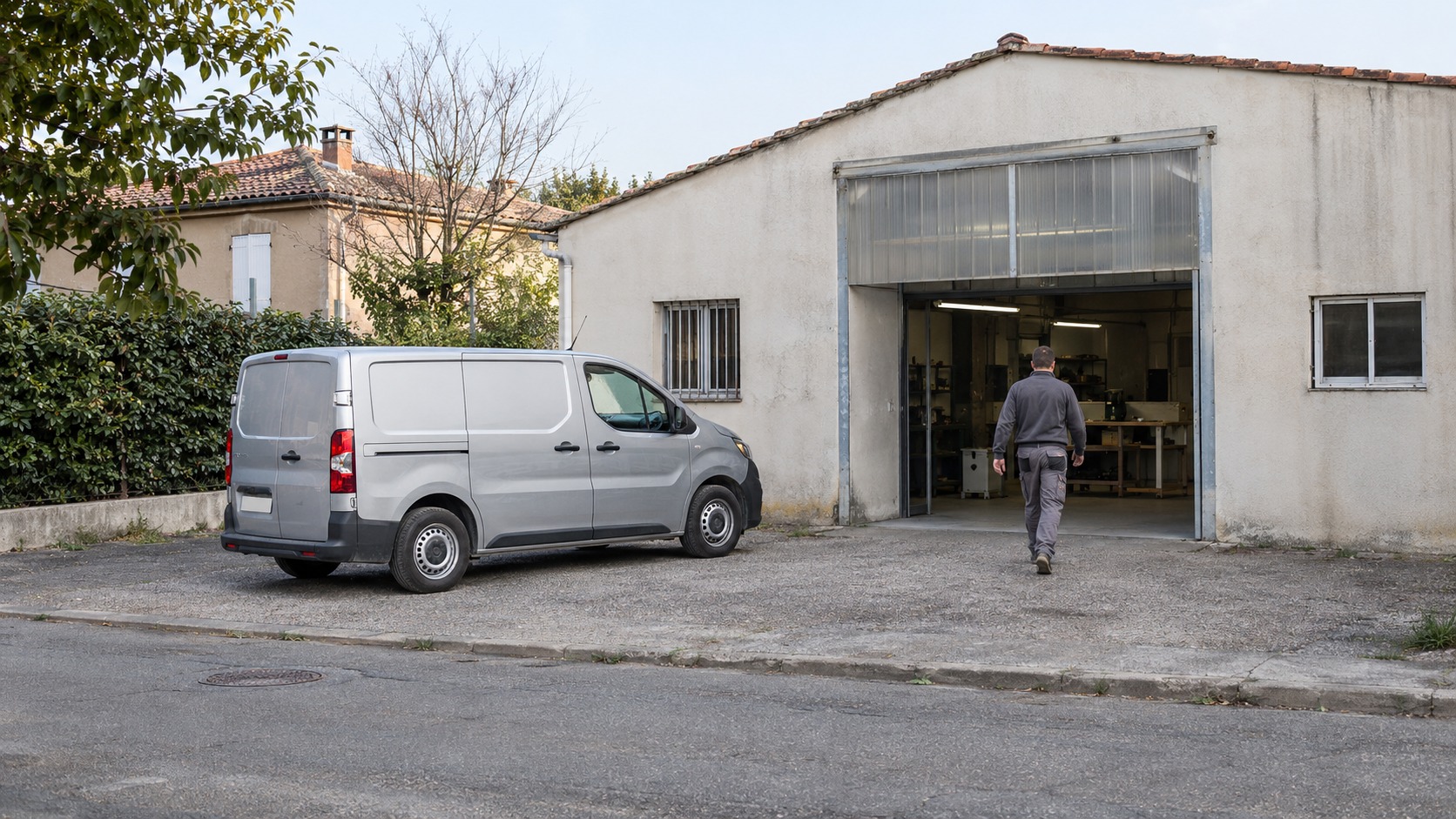
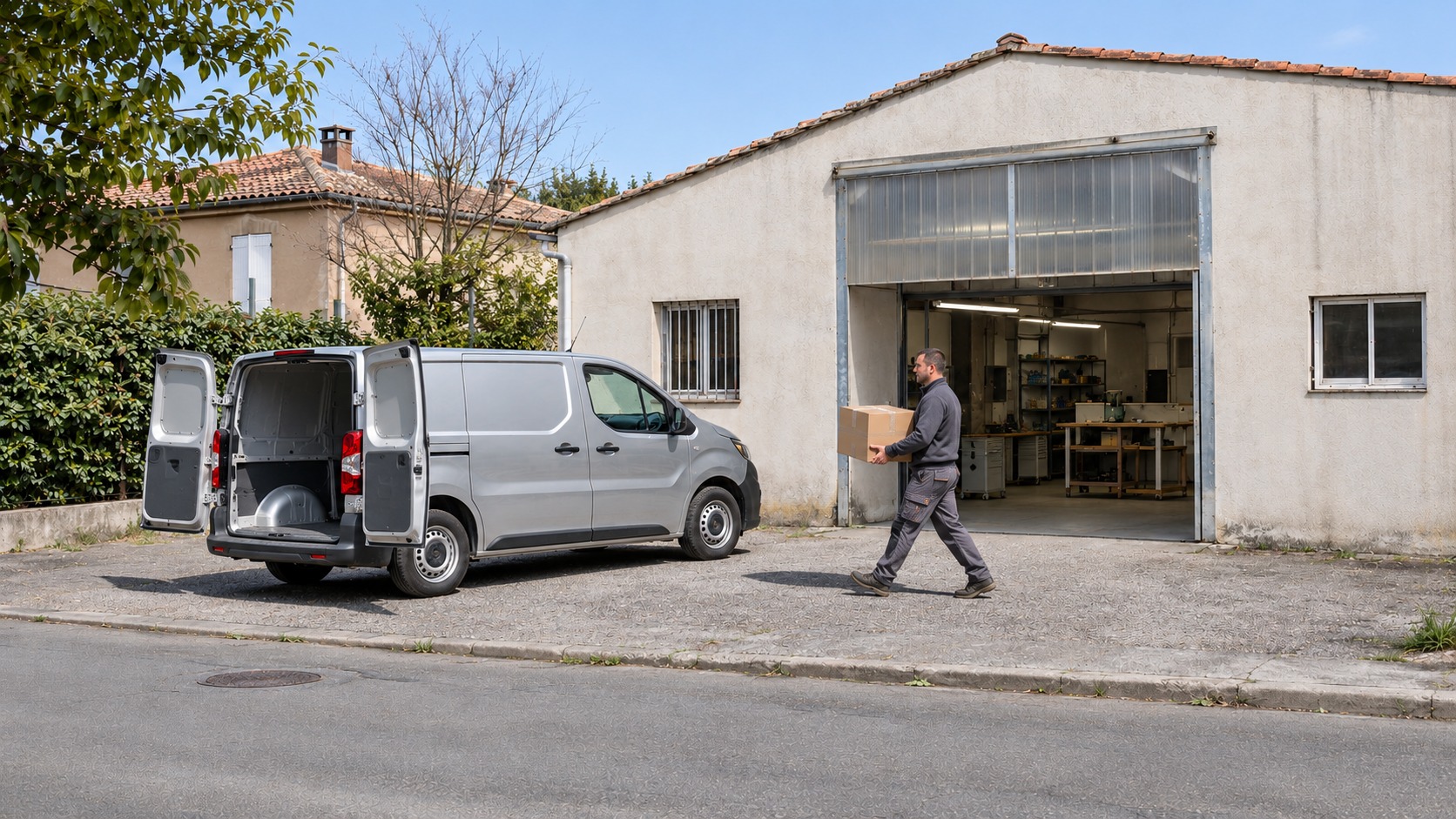
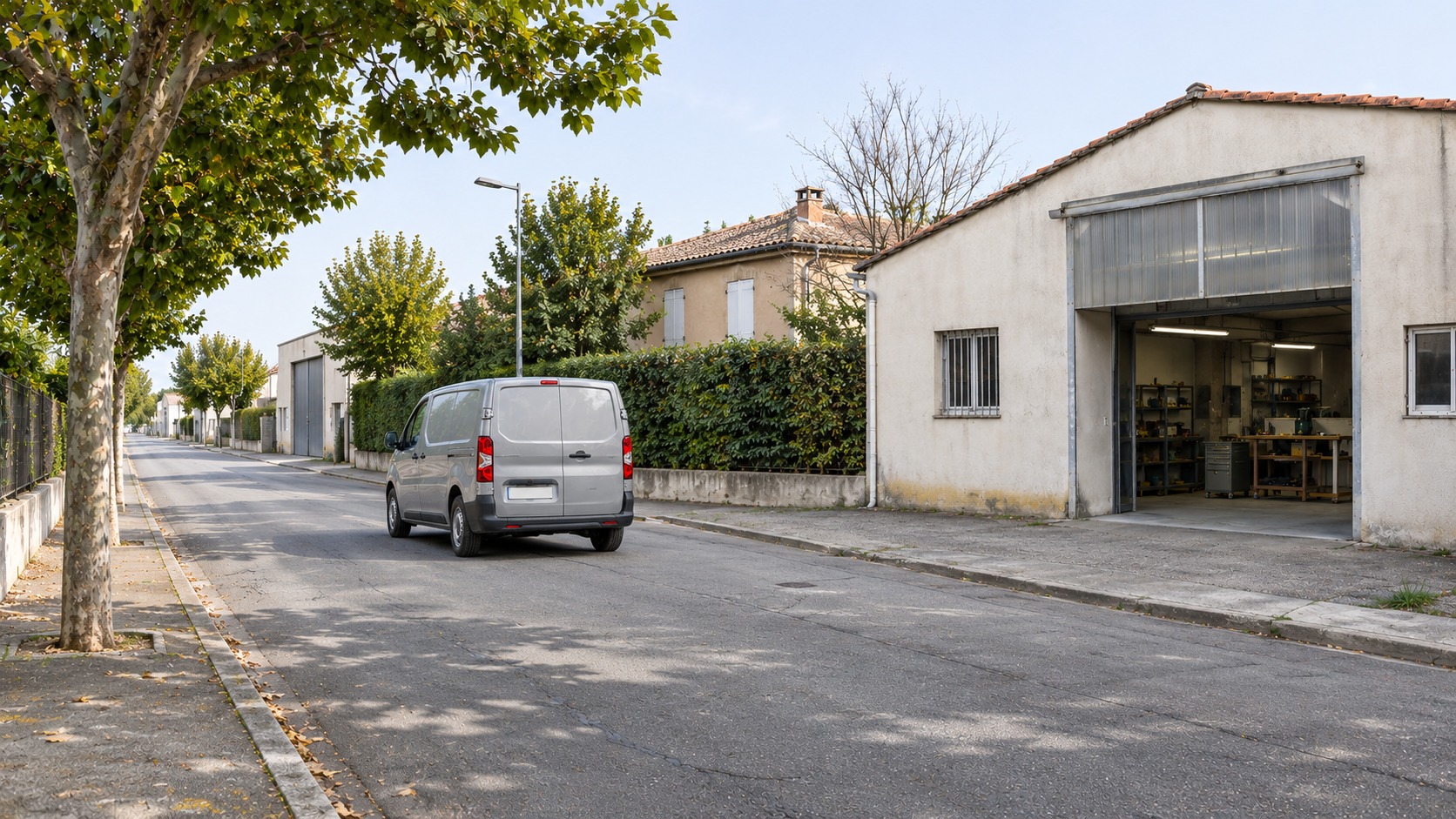
    The parked van

    The van parks in front of a building. There is a table nearby. The notes begin with the first visible event. There was no earlier observation against which to compare it. The observer cannot establish how long this situation had lasted or which route preceded it. The meeting place is located in the commune, near the "Chemin de Guiran" reference. The street name locates the fictional scenario. The example attributes no activity to residents or businesses on this street.

    Fictional case illustration: A van parked outside a workshop.
  2. 08:45

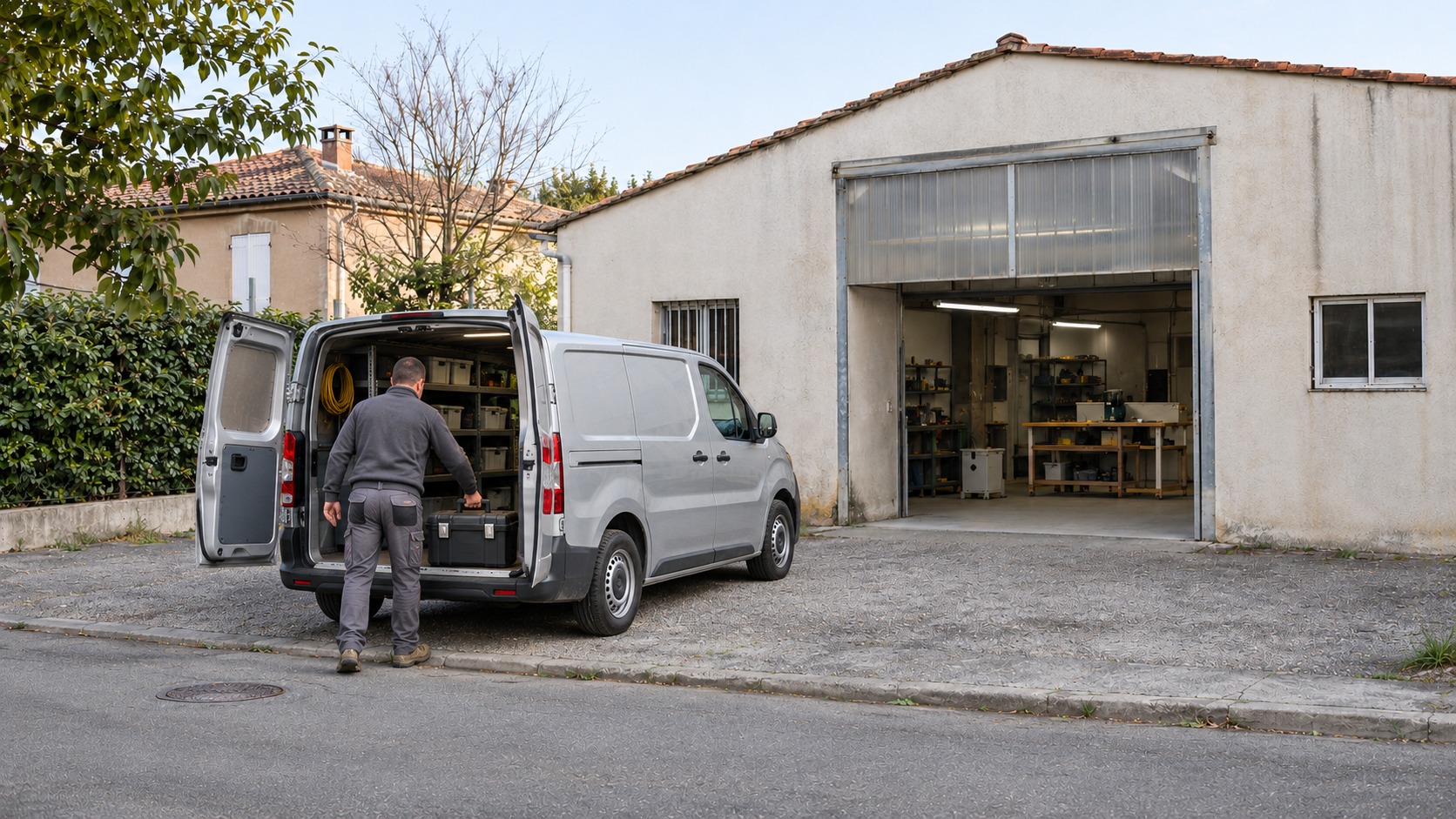
    Preparing equipment by the boot

    A takes a pouch from the trunk and opens near the vehicle. This observation provides a further time reference. The entry identifies who was visible together and what each adult did. The account distinguishes the visible actions from their possible meaning.

    Fictional case illustration: Preparing equipment at the back of a van.
  3. 09:35

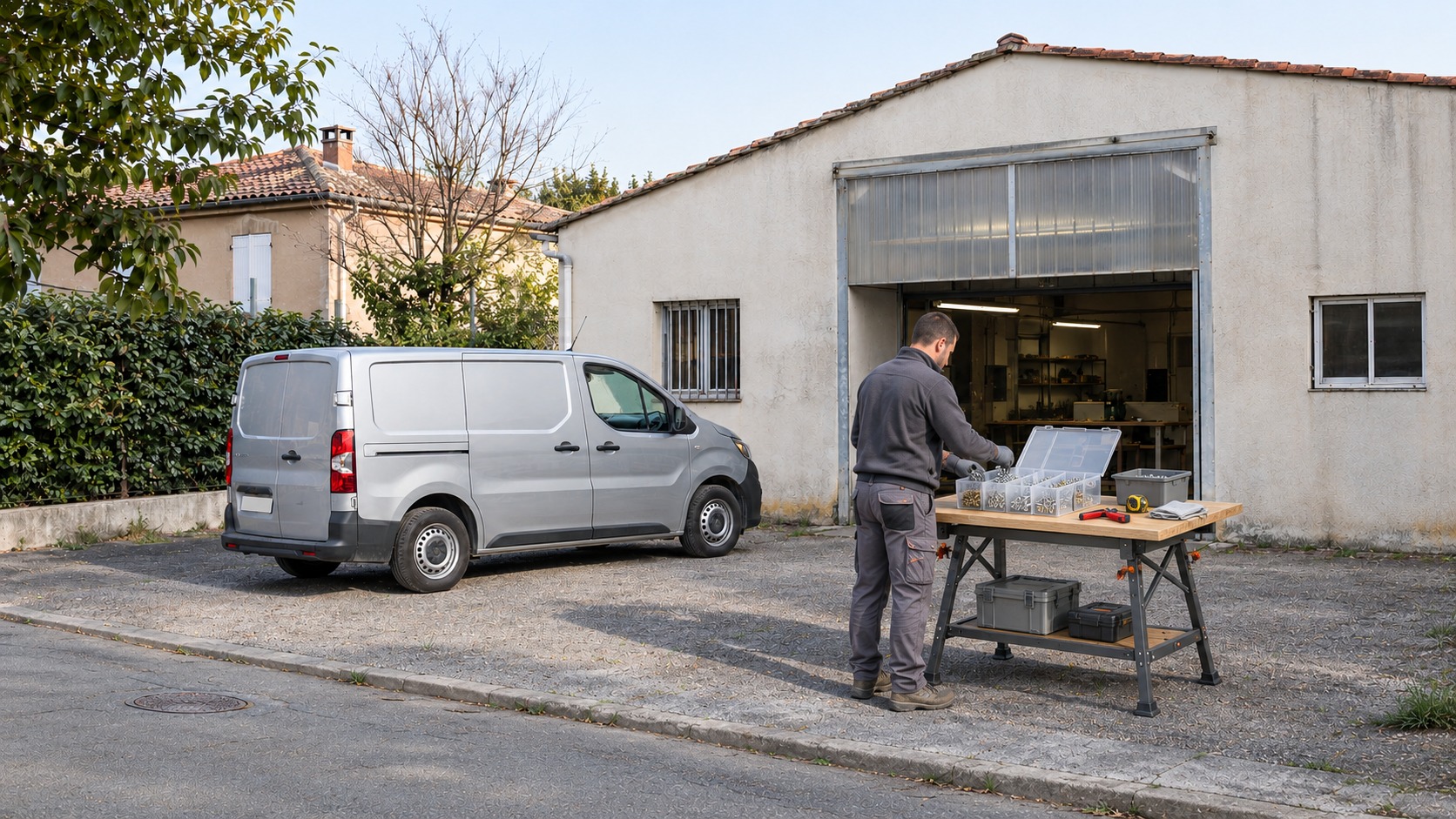
    The parts on the work surface

    Two pieces are placed on the table and then taken up; no contact with a lock is visible. The account describes only what could be seen from that distance. The investigator does not identify details that were too small to read or hidden by someone else. Comparing this entry with the preceding and following observations cannot establish that a hidden item was handed over or replaced. When an object disappears from view, the investigator cannot say whether it changed hands or was replaced. The report does not quote conversations that could not be heard.

    Fictional case illustration: Sorting small parts while wearing gloves.
  4. 11:00

    Carrying the box

    A carries a cardboard box at the threshold. The door masks the following. This fourth entry can be compared with the observations on either side, taking account of the limits of each. The account does not reconstruct what happened during gaps in visibility.

    Fictional case illustration: Carrying a box to a van.
  5. 13:15

    The van leaves

    The vehicle leaves the place without an opening or closing of a lock. The report records when the final detail relevant to the enquiry disappeared from view. The next location was not observed. The date and location of the last sighting remain on record for comparison with any later evidence. The time of the last observation is recorded separately from any possible return to the starting point. The record includes only the time of the last observation.

    Fictional case illustration: A van leaving.

Findings

A manipulation of small objects can be described. A lock replacement and a billed service cannot be.

Each recorded fact can be reviewed separately with its time and illustration. Any new document supplied by the client would need to be checked for its date and source before comparison. The findings include only circumstances recorded in the chronology.

Family investigationTwo adults stop and leave separatelyRead the reportClose the report

Fictional observation · 12:35–17:50 · 5 h 15 min

Background and instructions

In a family context, a witness places two adults together in the centre of Solliès-Toucas. The scenario verifies the visible steps of this unique meeting. In this fictional case in Solliès-Toucas, the client asks what could be observed during the agreed period and in what order. The fictional mission takes place from publicly accessible locations. A and B are the letters used in the report to avoid any rapprochement with real persons. The reader has a schedule for each of the five illustration images and a separate description of what is visible.

Chronology

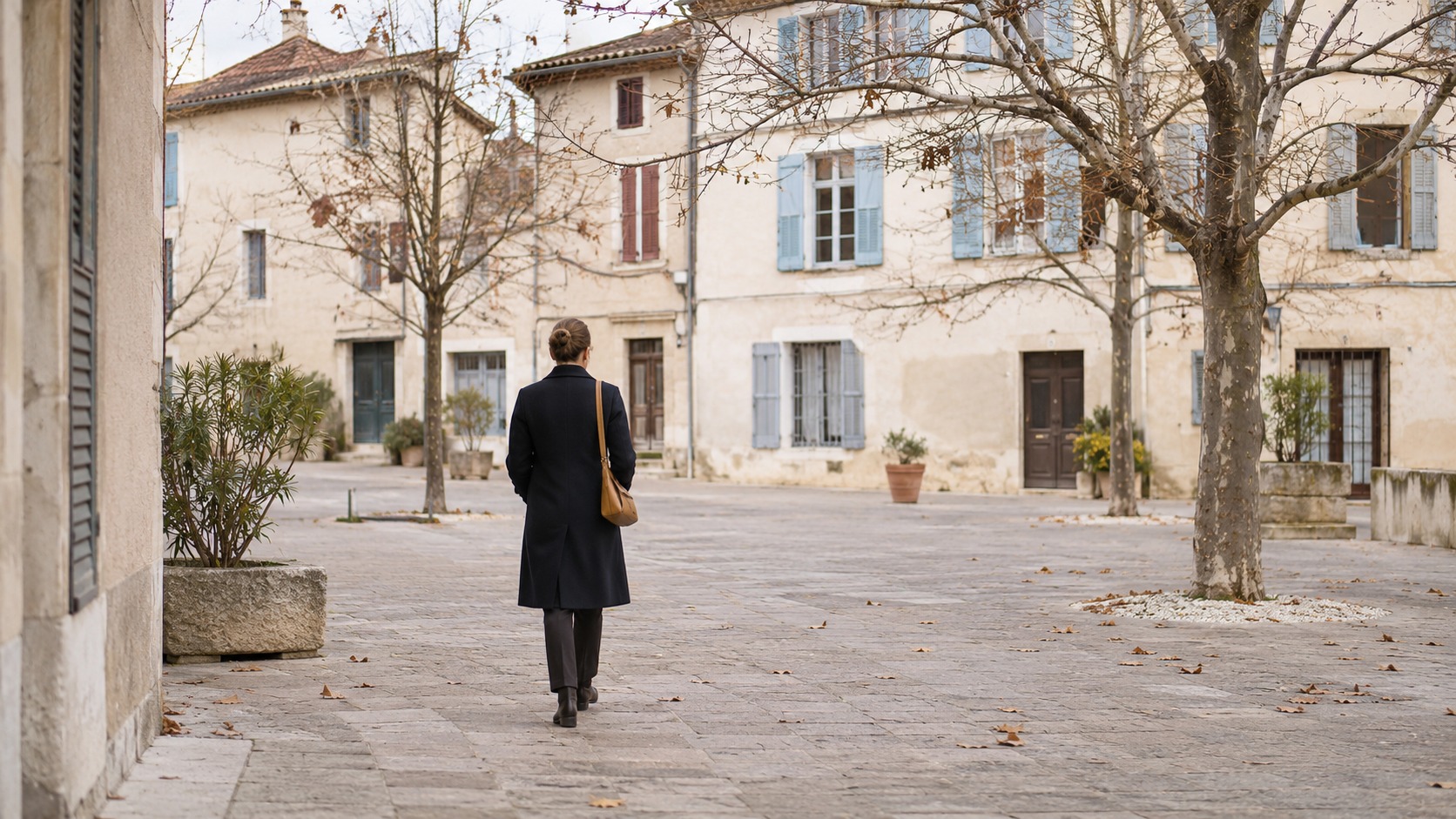
  1. 12:35

    Arrival on foot

    A arrives on foot and looks at a document held with one hand. The observer records the time and place together. The investigator makes no assumptions about events before arriving. The first entry provides a baseline for comparing later observations. The meeting place is located in the commune, near the reference point “Road Forestiére”. The street name locates the fictional scenario. The example attributes no activity to residents or businesses on this street.

    Fictional case illustration: Arriving on foot in a public place.
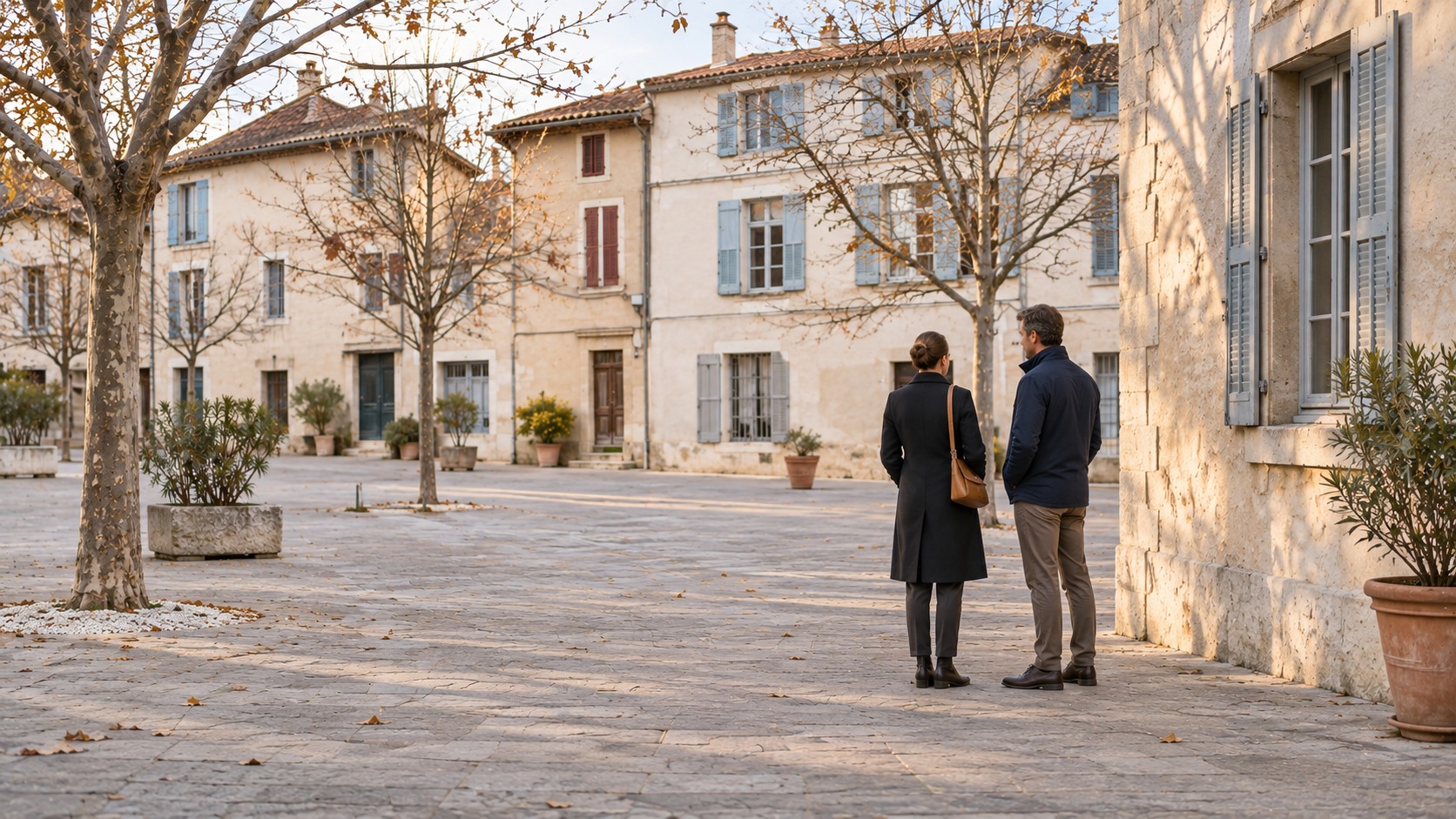
  2. 13:35

    The two adults meet

    B joins A. The two people stay up for a moment. The entry identifies each action in sequence and who performed it. Proximity alone does not make either person responsible for the other’s actions. The report quotes no words that the investigator could not hear clearly.

    Fictional case illustration: Two people meeting in a street.
  3. 14:35

    At the outdoor table

    Adults sit on a terrace. One folds up the document, then keeps it in front of it. The caption describes only what can be verified from the scene. When a person or object disappears behind an obstacle, the period out of sight is recorded as a gap. Third parties unrelated to the request are left out of the account. Comparing this entry with the preceding and following observations cannot establish that a hidden item was handed over or replaced. When an object disappears from view, the investigator cannot say whether it changed hands or was replaced. The report does not quote conversations that could not be heard.

    Fictional case illustration: Two people seated at an outdoor table.
  4. 16:10

    Leaving the meeting

    They stand out a few steps apart and stop close to the same point. Each new observation has its own time, even when it appears to follow on from the previous one. The entry describes the visible movement and where it appeared to end. The entry does not assign a destination once someone is out of sight.

    Fictional case illustration: Two people walking together.
  5. 17:50

    Departure by car

    B takes a car; A stays on foot as he walks away. The last entry marks the end of the agreed observation period. The vehicle’s subsequent movements were outside the scope of the observation. A later destination or activity would require separate evidence and does not form part of the day’s findings. The time of the last observation is recorded separately from any possible return to the starting point. The record includes only the time of the last observation.

    Fictional case illustration: Two people leaving in the same car.

Findings

The beginning and the end of the appointment are described. The sequence does not establish a departure to a shared place or a sentimental relationship.

The client receives a chronology in which each entry can be checked independently. The client can show their lawyer which entry raises a question and which intervals remain unaccounted for. The conclusion goes no further than the last event observed.

Use in court
In an actual case, the judge assesses the report’s admissibility and evidential weight in light of the circumstances, including the right to evidence and respect for privacy.

Frequently asked questionsInvestigations in Solliès-Toucas · Toulon office
Which package is recommended for an infidelity investigation?

For surveillance relating to suspected infidelity, the recommended package is 30 hours. The quote depends on the relevant time windows and how much surveillance is needed.

View fees and packages
How much does a private investigator in Solliès-Toucas charge?

Address tracing costs €1,290 including VAT. Surveillance packages cost €1,290 for 10 hours, €3,690 for 30 hours and €7,290 for 60 hours. All prices include VAT.

View fees and packages
Is it legal to hire a private investigator?+

Yes. Private investigation in France is regulated by the Internal Security Code (Article L. 622-9). You can engage an agency licensed by CNAPS to protect a legitimate interest.

Can an investigation report be used in court?+

Yes. A report may be submitted as evidence in civil, family, employment or commercial proceedings. The judge decides whether to admit it and what weight to give it, considering whether producing the evidence was indispensable and any interference with rights was proportionate (French Court of Cassation, 22 December 2023, no. 20-20.648).

What should I prepare for an investigation in Solliès-Toucas?+

To discuss an investigation in Solliès-Toucas, call us or arrange an appointment at ourToulon office. Note down the facts you want checked, the dates and locations you know and what you hope to establish. You do not need to send sensitive documents at this stage. If a lawyer is already assisting you, they can join the consultation.

What equipment does a private investigator use?+

Depending on the assignment, an investigator uses a notebook, a still camera or a video camera to document facts objectively from public space. The work must respect privacy under Article 226-1 of the French Criminal Code.

How soon can an investigation start in Solliès-Toucas?+

We confirm the first available time once we have reviewed the facts to be checked, the location and our availability. We give a separate timeframe for delivering the report.

Can my solicitor receive the investigation report in Solliès-Toucas?+

With the client’s consent, the agency can send the report and agreed exhibits to their lawyer. The report records the facts observed and the checks carried out.

Which office handles investigations in Solliès-Toucas?

The Toulon office coordinates investigations in Solliès-Toucas. Call us or arrange an appointment at our local office.

Can I contact you at weekends?

Yes. You can reach the director on Saturdays and Sundays, from 08:00 to 20:00, on 06 14 07 09 25.

NewsNews from our Toulon office
Unfair competition in Toulon: checking qualifications claimed in a bid+

A business tendering for a contract in Toulon may find that a competitor’s bid claims a qualification, certification or licence.

At a glance

Before treating the claim as unfair competition, establish what it actually covers.

It may relate to a different establishment, a different activity or a subcontractor identified in the bid. Compare the tender documents with the information available at the relevant date.

Distinguish the client’s requirements from the bidder’s claim

Check the documents issued to bidders and highlight the exact wording of the criterion. A mandatory requirement, a scoring criterion and a reference volunteered by a bidder play different roles in the decision. Compare the requirement with the claim that raised your question. For a logo or acronym, find the accompanying wording and the exact name of the business it identifies.

Check the legal entity, scope and dates

Consult the issuing body’s public register if there is one. Note the name shown, the activities covered and the dates you can establish. Keep the full page, its web address and the date you checked it. A renewal in progress or a delay in updating the register may explain a discrepancy. If the body offers a way to verify a reference, ask a factual question about the number, holder and stated activity.

Keep documents obtained through authorised channels

Keep the public notice, documents supplied in the ordinary course of the tender and replies addressed to you. Distinguish general brochures from the bid selected for the contract. To understand the possible impact of the claim, note the applicable criteria and what is known about the selection process. Avoid seeking other bidders’ internal documents through third parties.

Describe what needs to be checked

A private investigator in Toulon can compare the available information and document any discrepancies, their sources and their limits. Provide the exact wording, the document in which it appears and the relevant dates. The investigation may confirm only part of the claimed scope or leave the issue open if historical register entries are unavailable. Your lawyer can then consider the potential consequences on the basis of identified evidence.

Explore the CONFIDENCIA Toulon agency

Insurance fraud in Toulon: investigating inconsistencies in a claim+

An insurance fraud investigation in Toulon may be appropriate when an account of a loss contains discrepancies about the date, place or sequence of events.

At a glance

Discrepancies alone do not establish fraud.

An error, an imprecise memory or an incomplete document may explain them. The private investigator’s role is to establish verifiable facts with an open mind.

Gather the documents

Start with a clear timeline of the statements, documents and events lawfully available. Explain what appears inconsistent and why checking it would help. Our private investigation agency in Toulon examines the legitimacy of the request and the permitted methods before any fieldwork. Mistrust alone does not justify broad or continuous surveillance.

Observe without interpreting

A single lawful observation may confirm someone’s presence or movement. It cannot support a medical conclusion, replace a technical assessment or establish what happened out of sight. The report must give precise times and identify interruptions and limits to visibility. One photograph should never be presented as proof of the whole sequence.

Protect the rights of those involved

The enquiries cannot justify covert access to a medical file, private messages or an online account. Any information collected must be strictly necessary for the assignment. CNAPS sets out the framework governing private investigation. The competent authorities decide whether an act amounts to criminal fraud. That judgment is outside the investigator’s role.

Plan a proportionate investigation

Travel times and schedules between Toulon, Hyères and La Seyne-sur-Mer can significantly affect the cost of fieldwork. Our Toulon fees provide a starting point and depend on the needs of the case. For matters extending into the Bouches-du-Rhône, we can coordinate with our Marseille agency. A written quote defines the work and makes no promise of a favourable outcome.

Provide successive versions of statements without adding accusations or personal comments. Keep the originals so their context is preserved. A confidential discussion helps establish the purpose, feasibility and necessary precautions before committing resources to fieldwork.

A careful enquiry may find no material inconsistency. That finding still has value. Private investigators help clarify what happened, even when the evidence dispels the original suspicion. The client can then consider the findings with their legal advisers while respecting everyone’s rights.

Missing business equipment in Toulon: checking what happened between jobs+

A company working in Toulon discovers that a tool, machine or equipment case is missing after several jobs.

At a glance

It may have been moved to another vehicle, left on site or taken away for repair.

Establishing when it was last definitely seen helps narrow down the period and locations to check.

Find the last reliable record

Identify the serial number or marking and compare the loading list with the sign-out register. An entry made earlier in the week may refer to a different machine of the same model. Gather loan records and repair correspondence. For each entry, record the date, place and original document. A quick physical check of storage areas may locate an item packed in a different case.

Compare handovers between teams

When teams share equipment, handovers between jobs often leave fewer records than departure from or return to the depot. Ask supervisors which transfers they saw and which they heard about. A temporary hire, a loan to another site or a vehicle swap may explain why an item is somewhere unexpected.

Prioritise enquiries with individual sites

List the locations in chronological order and identify what information is missing for each one. A site manager may confirm when equipment left. A workshop may find a repair record from a serial number. Where several items are involved, separate equipment confirmed missing from inventory discrepancies still under review. This keeps the search focused.

An existing photograph of the markings can supplement the description. Compare it with the number on the invoice or maintenance record to distinguish between similar pieces of equipment.

Discuss the next steps with our Toulon agency

Prepare the equipment references, the documents you have and a short list of checks already carried out. Mention whether this is an isolated incident or whether discrepancies occurred across several sites. This helps the agency identify what else can be checked and focus on the outstanding questions.

Explore the CONFIDENCIA Toulon agency

Tracing someone in Toulon: arranging discreet checks+

Losing contact with someone can raise family, administrative or legal questions.

At a glance

In Toulon, the most recent information may be old and witness accounts may conflict.

A tracing enquiry begins with a review of the legitimate reason for the request and the information already available. Locating the person cannot be guaranteed. Confidentiality matters from the first conversation.

Establish the reason for the search

Enquiries linked to legal proceedings, an estate or a documented obligation differ from a wish to reconnect. We need to establish who is making the request, its purpose and who is to receive the information. Our Toulon agency reviews these points before proposing an investigation. If someone has disappeared in worrying circumstances or faces immediate danger, contact the police or gendarmerie first.

Build a reliable timeline

An old address, previous employment or public information can provide leads, but they do not establish the current position. Record dates, sources and possible contradictions separately. Lawful checks can gradually reduce uncertainty. Gathering information must not become indiscriminate surveillance of a person who wishes to maintain their privacy.

Choose methods suited to the circumstances

The appropriate steps depend on the case and on what is proportionate. Some leads can be checked remotely. Others may require a one-off visit where legally justified. If the case extends into the Bouches-du-Rhône, we can consider coordinating with our Marseille agency. Our general investigation fees provide an initial guide before we prepare an individual proposal.

Keep the findings confidential

Limit the information obtained to the stated purpose and share it only with legitimate recipients. A useful report describes the checks made, what is confirmed and what remains uncertain. It must distinguish assumptions from established facts. CNAPS explains the rules governing private investigations and the professional checks to make before choosing a provider. Retain data only for as long as the legitimate need requires.

Prepare for the first conversation

In the Var, a methodical search helps avoid unnecessary travel and premature conclusions. It begins with a confidential discussion of the information available. Our article on hiring a private investigator in Toulon gives further guidance on choosing an investigator. A clear proposal should explain the steps envisaged and the circumstances in which the investigation may end early.

Fictional case · Pallets collected in Valaury

The client’s question

One supplier has delivered materials and wishes to know the number of pallets recorded in the hamlet of Valaury. Its count differs from that of the customer. At the first interview, the investigator lists the records the client already holds and where they came from. Dates recalled from memory remain labelled as such in the client’s copy.

The point to clarify

Does the customer's signature relate to the receipt of materials or to the return of the media? The sheets numbers and the nature of each movement make it possible to keep delivery and decoination distinct.

Comparing the documents

The voucher signed corresponds to the outward journey. Another sheet reports three supports taken over and a fourth rejected because it is damaged. The summary table had added the four to the same column. The useful copy is retained as a whole. An annotated excerpt facilitates comparison, but the reader can always return to the previous line, the legend or the number that gives its meaning to the chosen passage. The reader may take the file back in the order in which the documents have been drawn up and then in the order in which the client has obtained them. The gap between these two chronologies often sheds light on the birth of the disagreement, especially when an incomplete copy circulated before the original.

What the records establish

The takeover of three pallets is recorded on the return document. The subsequent fate of the fourth is not reported. The client can attach the relevant document when asking the other party a specific question. The outstanding issue stays visible so that a partial reply cannot inadvertently close the file.

A fictional teaching example unrelated to any actual investigation.

Fictional case · A flower order awaiting collection

The client’s question

In Solliès-Toucas, an organizer is charged for a floral composition that she thought was included in an order that had already been paid for. It transmits the voucher, the ticket and the withdrawal messages. Before comparing the dates, the investigator notes for each exhibit its author, the addressee and the time when it was created. This classification distinguishes what was already written at the time of the facts from what was explained later.

The point to clarify

Does the ticket correspond to the announced complement or a new composition? The difference between a title missing from the ticket and an additional order does not in itself constitute a double billing index.

Comparing the documents

The original good describes two table compositions. A message adds a crown, with a separate price. The ticket picks up exactly this price without detailing the items, and no photograph of the discount is available. References are transcribed exactly. Probable matches go into a separate column so that a typo or abbreviation cannot become a confirmed identification. Each date is labelled as recorded at the time, copied into correspondence or recalled during the first interview. This distinction keeps entries from different sources separate.

What the records establish

Exchanges make it possible to identify an additional request. The exact content of the delivered packet remains indeterminate. The final file contains the chronology and references for any follow-up. The reader can distinguish established points, a participant’s explanation and records still missing.

A fictional teaching example unrelated to any actual investigation.

Solliès-Toucas · Toulon office

Call the agency

Every day, 08:00–20:00.

Illustration of a professional taking a call in his office.

Speak to Benoit Avril

Speak directly with the director. Free advice and quote.

Outside office hours: email us.

  • Licensed agency
  • Reports for use in court
  • Professional secrecy
  • Google reviews 5.0/5