

PRIVATE INVESTIGATOR LE TIGNET
Private Investigator in Le Tignet Enquiries – Surveillance – Investigations – Evidence
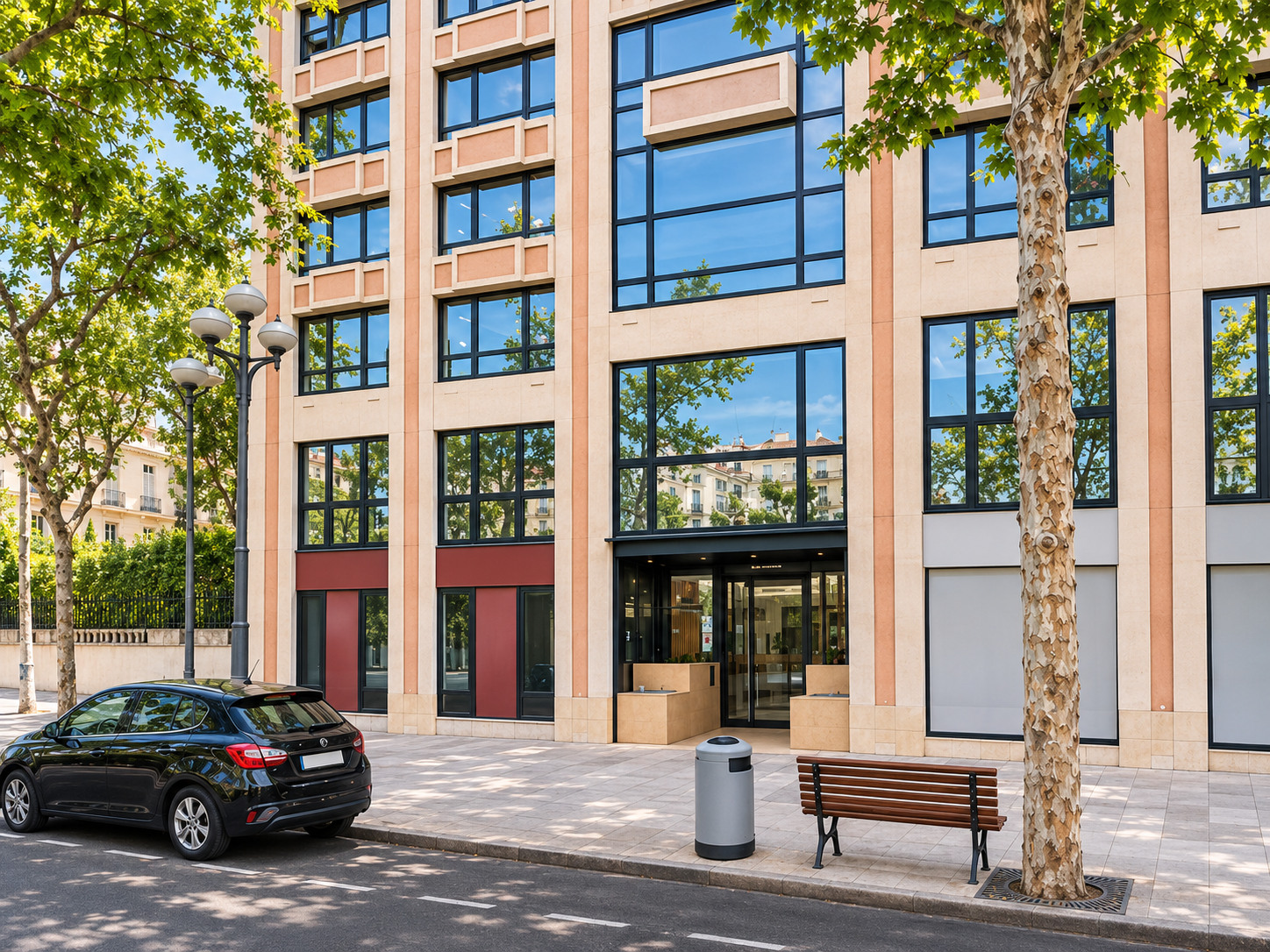
Illustration of private investigation with the sign “Le Tignet”
Surveillance & Field Investigations · Private Investigator in Le Tignet
LE TIGNET · 06530 · Cannes office

Private Investigator in Le Tignet

Surveillance and private investigations in Le Tignet for individuals, businesses and solicitors. Our Cannes office coordinates your case.

Immediate response · Free quote · Advice tailored to your case

CNAPS licensed Cannes office
Director trained in law 10 years of experience
Investigation reports For your lawyer
Professional secrecy Strict confidentiality
Tailored investigations · Alpes-Maritimes (06)

Our private investigation services in Le Tignet

Our investigators document facts for family and business cases in Le Tignet. Explore our surveillance, mobile observation and address tracing services.

Individuals

Family, assets and loved ones

Adultery and divorceView serviceClose

What the investigation can establish

Objective evidence of infidelity and breaches of marital duties under Article 212 of the French Civil Code can support a fault-based divorce case before a family court judge.

A targeted investigation can document journeys, meetings or circumstances observable in public places to inform your lawyer’s case. The report draws a clear distinction between verified observations and assumptions.

How the investigation works

  1. Agree the relevant facts with your lawyer and assess the locations in advance.
  2. Make lawful observations in places accessible to the public.
  3. Provide a dated chronology and the relevant photographs.

What you receive

Your lawyer can assess whether to submit the findings as evidence. In divorce proceedings, evidence obtained through violence or fraud is excluded.

Child custodyView serviceClose

What the investigation can establish

Where there is a legitimate interest, a proportionate enquiry can help locate a parent or establish repeated failures to comply with contact or overnight arrangements.

How the investigation works

  1. Review the existing order or judgment.
  2. Identify the specific events that need checking.
  3. Make discreet observations with due regard for the children.

What you receive

The report sets out when the events took place and in what circumstances. Your lawyer can assess their relevance to your family case.

Child maintenanceView serviceClose

What the investigation can establish

Evidence of undeclared work, a concealed standard of living or an openly established cohabiting relationship can support a request to review child maintenance or a compensatory payment on divorce.

Lawful enquiries into employment or apparent undeclared activities can help document an application to review child maintenance or a compensatory payment.

How the investigation works

  1. Cross-check information from public and lawfully accessible sources.
  2. Verify the facts on the ground.
  3. Bank accounts and protected tax records are outside the scope of the enquiry.

What you receive

The report sets out the facts gathered about activities or apparent living standards, for consideration alongside the other evidence.

Tracing a personView serviceClose

What the investigation can establish

We use records and on-site checks to verify addresses for debtors, heirs or missing relatives where there is a legitimate reason for the enquiry.

A tracing enquiry can help locate a beneficiary of an estate, a debtor or a relative where there is a legitimate family reason for making contact.

How the investigation works

  1. Review the identifying details and leads you provide.
  2. Search records through lawfully accessible sources.
  3. Verify the identified address in person.

What you receive

You receive an account of the checks and their outcome. Whether an address can be disclosed depends on the reason for the request and the applicable data protection requirements.


Businesses

Operations, employees and assets

Suspected sick leave abuseView serviceClose

What the investigation can establish

We conduct proportionate checks into suspected paid work or work for a competitor during sick leave, alongside any independent medical assessment.

When an employer has specific indications of a breach of loyalty, an investigation can document suspected paid work or work for a competitor.

How the investigation works

  1. Review the need for the enquiry with the employer’s lawyer.
  2. Make non-intrusive observations from outside, without collecting any medical information.
  3. Date and cross-check observations in a factual report.

What you receive

Seeing someone go out or take part in an activity does not establish misuse of sick leave. The report describes what happened. The company’s lawyer assesses its significance.

Unfair competitionView serviceClose

What the investigation can establish

We document diversion of customers, large-scale poaching of employees or breaches of a non-compete clause in Le Tignet and in the surrounding Cannes area.

We gather dated observations and tangible evidence to help the company’s lawyer prepare an application for an evidence-gathering order or bring a claim before the commercial court.

How the investigation works

  1. Define precisely which facts need documenting.
  2. Carry out field enquiries into observable business approaches.
  3. Keep a clear record of the evidence and provide a detailed report.

What you receive

The report distinguishes the approaches actually observed from the initial suspicions so your lawyer can assess the available options.

Internal theft and fraudView serviceClose

What the investigation can establish

We investigate missing goods, misappropriation of equipment and falsified expense claims in accordance with the French Labour Code.

Document a specific incident, such as misappropriated goods or losses in the supply chain, within a defined scope and without general or indiscriminate monitoring of staff.

How the investigation works

  1. Define the scope of the investigation.
  2. Make targeted observations in line with employment law.
  3. Provide a chronological report that your lawyer can use.

What you receive

The findings focus on the identified irregularities and are presented chronologically within the scope agreed in the engagement.

Commercial disputesView serviceClose

What the investigation can establish

We investigate solvency before legal action, verify assets and trace addresses for company directors or debtor companies.

Verify whether a business is operating, whether it has a physical presence and which facts may help with negotiations or debt recovery.

How the investigation works

  1. Conduct detailed research using documents and lawful sources.
  2. Carry out checks on site.
  3. Cross-check the findings and summarise the facts.

What you receive

The summary distinguishes verified facts from outstanding questions. It can inform negotiations or debt recovery.

Legal professionals

Evidence gatheringView serviceClose

What the investigation can establish

We prepare detailed, dated reports supported by photographs for use in court, in accordance with Article 9 of the French Code of Civil Procedure.

We plan the investigation around the facts to be established and the documents already on file, then provide the client with a chronological report.

How the investigation works

  1. Discuss the background to the dispute.
  2. Agree a precise and proportionate scope of work.
  3. Provide a chronological report with photographic exhibits.

What you receive

The report distinguishes direct observations from information that still needs checking. The client may authorise us to send it to their lawyer.

Pre-trial investigationsView serviceClose

What the investigation can establish

Preliminary investigations can support an application under Article 145 of the French Code of Civil Procedure, for example for a court-authorised formal record by a judicial officer.

We work alongside the judicial officer to provide verified background facts supporting a legitimate need to preserve or establish evidence before proceedings begin.

How the investigation works

  1. Identify the evidential issue.
  2. Gather observable facts using proportionate means.
  3. Prepare a structured factual summary for an application or interim proceedings.

What you receive

The report can help the lawyer assess whether to seek a pre-trial order. The judge decides whether to grant it.

Family casesView serviceClose

What the investigation can establish

Targeted surveillance and asset enquiries to support the law firms handling the case.

Support the lawyer’s strategy with precise observations that respect the privacy of those involved.

How the investigation works

  1. Agree the scope of work with the lawyer.
  2. Limit observations to the relevant facts.
  3. Keep a precise record of dates, times and places.

What you receive

Depending on the agreed scope, the report focuses on facts relevant to separation, the child’s residence or the parties’ financial means.

Employment disputesView serviceClose

What the investigation can establish

We gather relevant facts for French employment tribunal proceedings using proportionate means, in line with Court of Cassation case law.

Gather proportionate evidence for proceedings before an employment tribunal or commercial court.

How the investigation works

  1. Confirm the legal scope before starting work.
  2. Make targeted and dated observations.
  3. Provide a detailed report with supporting documents for the lawyer.

What you receive

You receive a chronology of the observations and the relevant exhibits. The judge assesses the admissibility and evidential weight of the report.

Free quote · VAT included

Transparent fees

Surveillance packages at the same rate for nights, weekends and public holidays.

Investigation fees in Le Tignet

Tracing

Address tracing

Records search and on-site verification
€1,290 incl. VAT
Focused
10-hour package
Field surveillance
€1,290 incl. VAT
Extended
60-hour package
Field surveillance
€7,290 incl. VAT
What the package covers

Included in the package

  • Field surveillanceFieldwork carried out by a CNAPS-licensed investigator.
  • Preparation and site assessmentWe check access and prepare the fieldwork.
  • Case fee includedThe price includes the €90 case fee.
  • Travel includedMileage is included in the price.
  • No out-of-hours surchargeNights, weekends and public holidays are included.
  • Investigation report and exhibitsA detailed report and photographs for your lawyer

Terms

Minimum of 5 hours per assignment session.

Personalised quotes are available for longer investigations.

Testimonials · Google

Client reviews in Le Tignet

Our Cannes office handles investigations in Le Tignet. The Google rating is for this office. The testimonials are from the CONFIDENCIA network.

Google rating for our Cannes office

Testimonials from the CONFIDENCIA network

Credentials and CNAPS authorisation

The office serving Le Tignet

The Cannes agency coordinates investigations at Tignet.

68 boulevard Carnot, 06400 Cannes

View our Cannes office

Retouched image of the CONFIDENCIA Investigations® private investigation agency at 68 boulevard Carnot, 06400 Cannes.

Benoit Avril

Agency director

LinkedIn profile
  • Law · Université de Nîmes
  • Management · École Nantaise de Commerce
  • Over 10 years’ experience · Speaks French and English
Registration and licences
SIREN753 071 109
Cannes SIRET753 071 109 00072
APE activity code8030Z — Investigation activities
CNAPS operating licenceAUT-006-2121-11-10-20220841107
Director’s licenceAGD-006-2027-05-18-2022571344
Professional cardCAR-006-2027-05-09-20220571344
Local coverage

Areas we cover in Le Tignet

Investigations in Tignet are coordinated by the Cannes agency, depending on the location and slots relevant to the case.

Local landmarks in Le Tignet

An address on Avenue du Docteur-Belletrud and a meeting on Place Philibert-Dubois may appear in the same Le Tignet file while referring to separate events. The Cannes office distinguishes the contact address from the planned handover point.

If Peymeinade or Spéracèdes is also named, tell the office who provided each address and when. This matters particularly if the collection point changed between the order and the planned collection date.

Neighbourhoods

  • Place Philibert Dubois
  • Place de l'Ormeaux
  • Avenue du Docteur Belletrud
  • Avenue de l’Hotel de Ville
  • Route de Draguignan
  • Chemin des Moulins
  • Chemin de la Martourette
  • Rue des Ormeaux
  • Rue du Parking de l'Ecole Primaire
  • Rue de l’Aven

Neighbouring municipalities

Guidance and examples

Resources

How to prepare your enquiry and what to expect from an investigation report.

Investigation reportsTwo fictional cases in Le Tignet

These are fictional scenarios. The photographs illustrate the actions and situations described.

Workplace investigationPlants replaced in spring — Le TignetRead the reportClose the report

Le Tignet · 09:00–14:00

Background and instructions

A nursery owner asks for help with a claim that plants were replaced twice. Do the two delivery notes refer to the same delivery? This fictional enquiry uses records supplied voluntarily to answer a material question, without conducting personal surveillance. Chemin de la Martourette is a reference in the file and does not establish attendance. The enquiry concerns a single transaction for which the records differ. It distinguishes records made before the event from those made afterwards.

One slip names the original growing batch, the next a replacement batch. Place Philibert Dubois provides another geographical reference. Its presence in the file does not establish that two addresses refer to the same place. Both refer to the same order. The return note gives no quantity. The example does not suggest that any further document was actually obtained from a third party.

Chronology

  1. 09:05

    Observation 1

    The first delivery note lists replacement plants, a batch number and a quantity. The question is whether both notes concern a single delivery. The second check preserves the exact wording and sequence of the records. Any correction to a reference is made explicit.

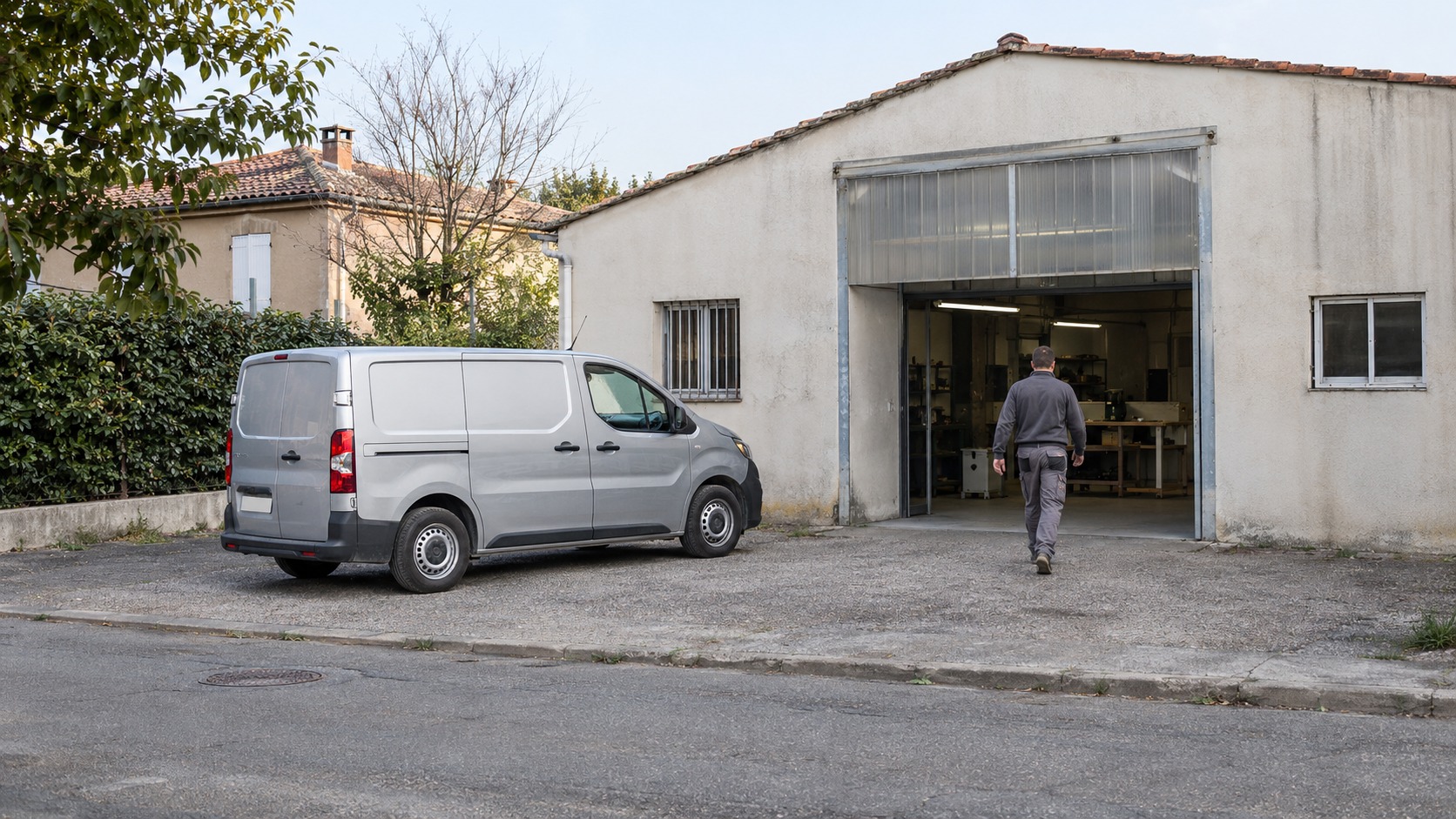
    A person joins the entrance to a workshop, near a grey utility vehicle.
  2. 10:00

    Observation 2

    The later slip names the same customer but gives a different batch number. The issue is how the documents correspond, without attributing fault to any person. The investigator identifies which details genuinely match, which merely look alike and what remains uncertain.

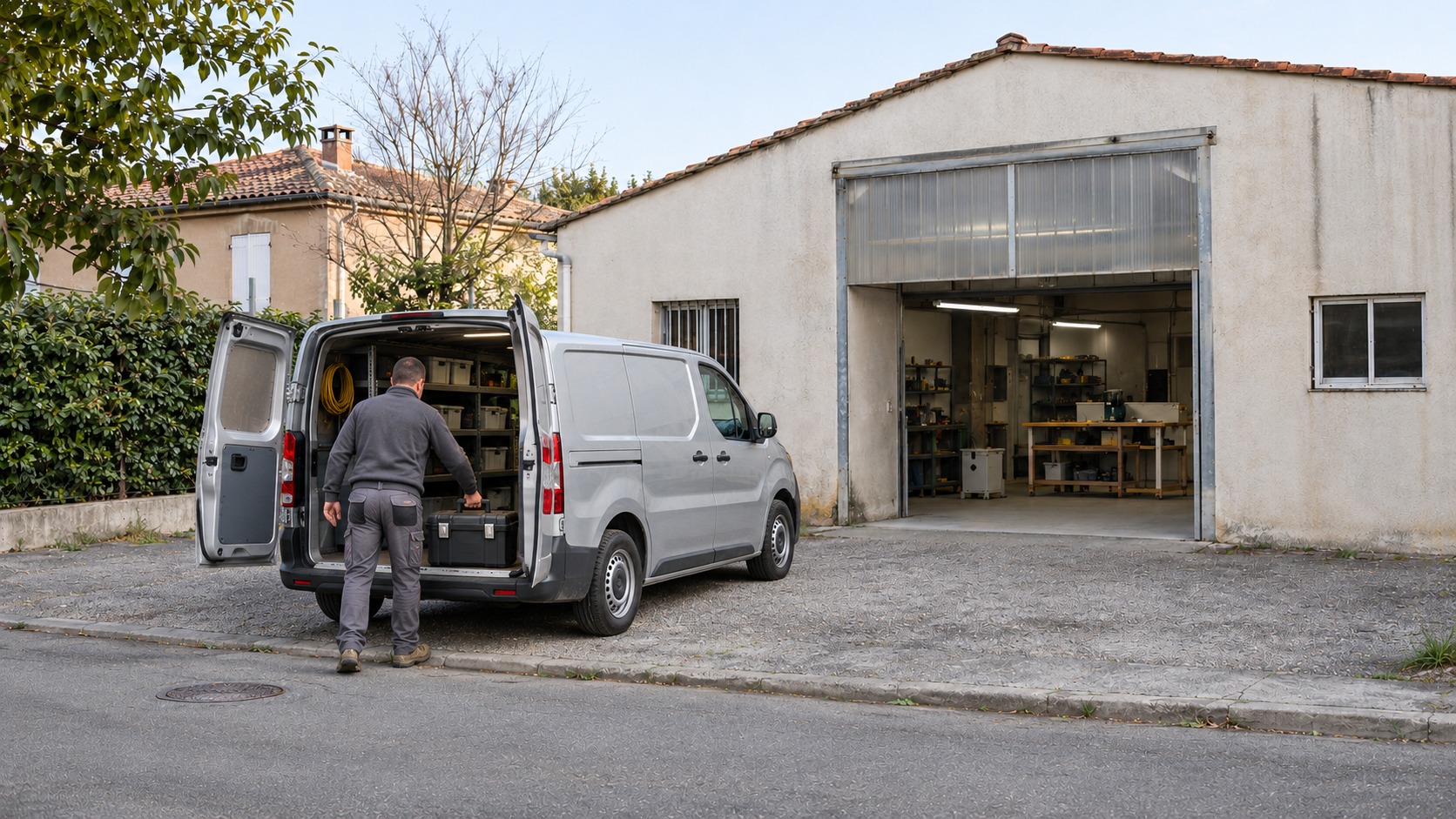
    A person stands in front of the open rear doors of a commercial vehicle.
  3. 11:00

    Observation 3

    The complaint refers to two exchanges without dates or product references. The proximity of Chemin de la Martourette and Place Philibert Dubois does not establish a journey. The investigator compares the identifier, date and place wherever they are available. An illustrative image or a nearby landmark cannot supply missing evidence.

    A person is looking at a work table in front of the workshop.
  4. 12:05

    Observation 4

    The investigator compares the quantities with the inventory and the delivery receipts actually provided. The final comparison identifies the findings supported by a traceable document and the points that still need independent confirmation. A more legible original could support a different interpretation. Missing details are left open.

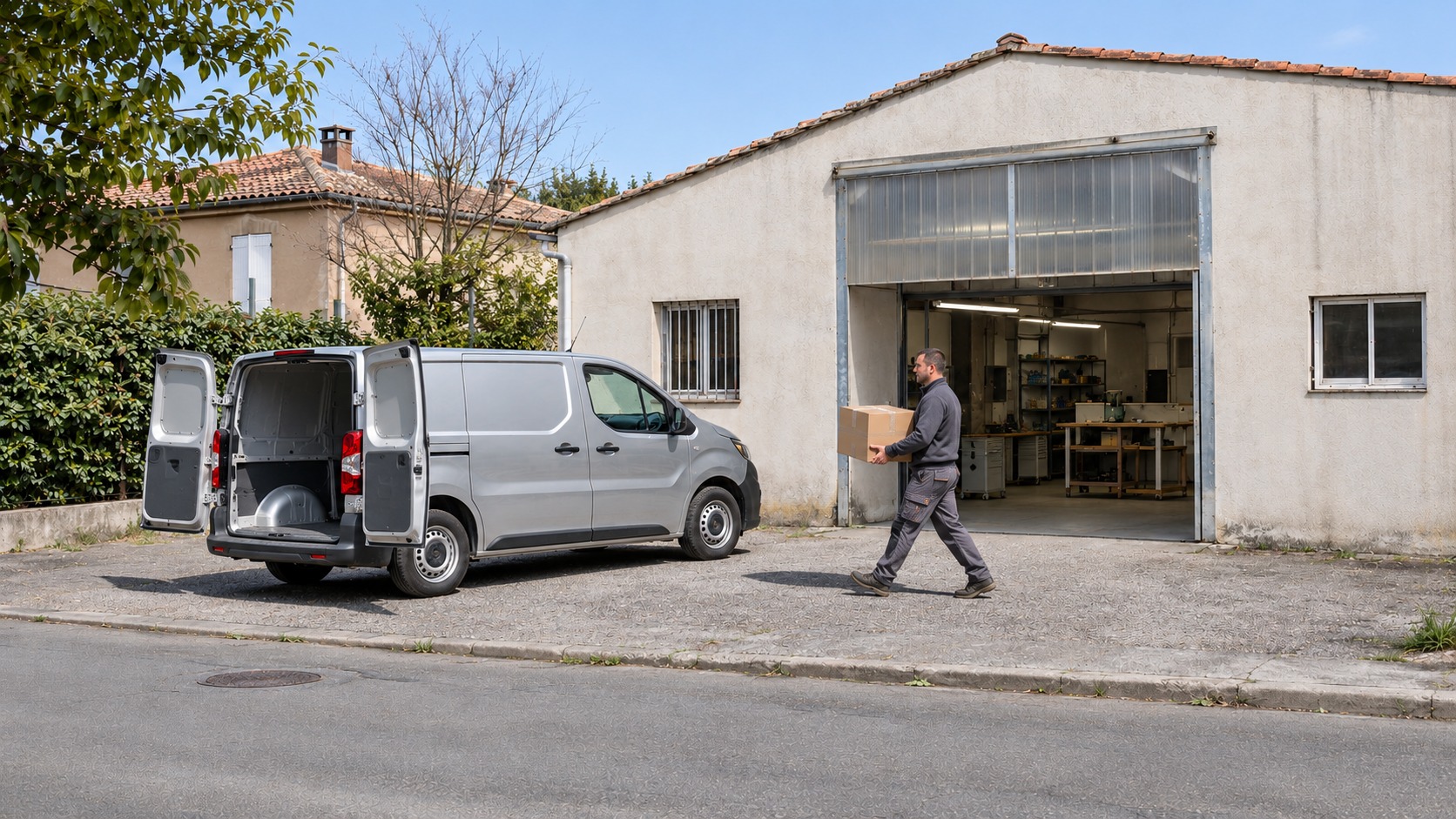
    A person wears a cardboard in front of the workshop, near the open commercial vehicle.
  5. 13:40

    Observation 5

    The documents establish two distinct transactions. They cannot, on their own, establish double billing. The investigator identifies the reference document and its purpose before deciding whether the other records describe the same transaction. The written account records a testable working hypothesis. It does not certify that the events in this example actually occurred.

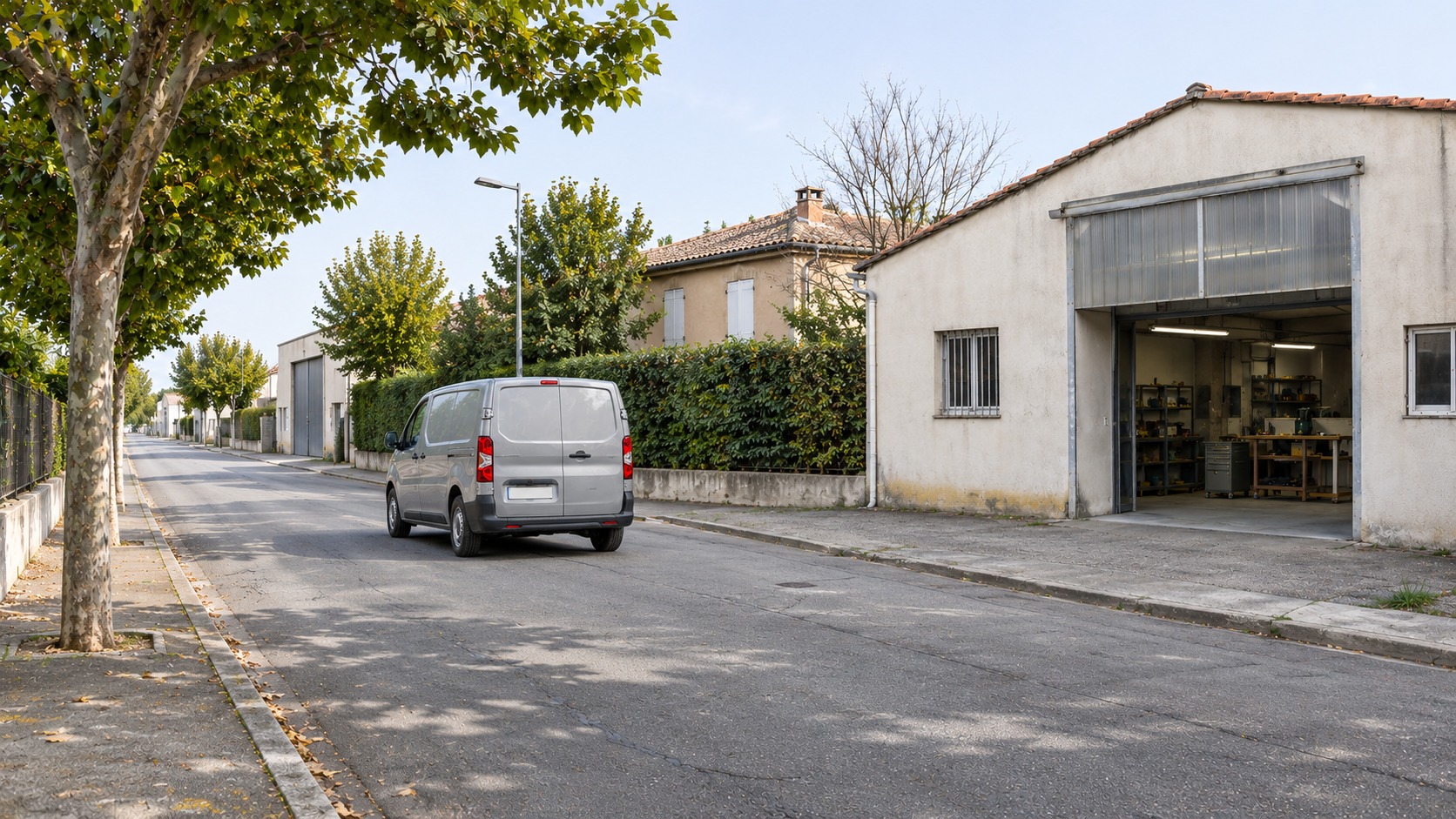
    A gray utility vehicle is travelling in the street away from the building.

Findings

A replacement has been planned. The exact number of seed returned is not established. The analysis distinguishes the commercial reference, the crop lot and the unit delivered. This conclusion does not prejudge either the final legal value of the documents or the decision that a court may take. The reasoning stops where the origin or content of a room is lacking. The educational photo proposed for the site does not represent a photograph taken during a real mission and is not used as proof. The next coherent approach would be to ask for the specific original or justification that answers the question, without multiplying disproportionate investigations. It is not stated that such a justification exists.

The five images above come from the site’s existing collection of teaching illustrations. They do not depict events witnessed on an actual assignment. The template uses the agency’s official logo. The image links and their display on the published page are checked at publication.

Use in legal proceedings: This is a fictional teaching example. A genuine report must be based on facts actually observed and verified within the legal limits and scope of the assignment.

Family investigationA spare key on Avenue du Docteur Belletrud — Le TignetRead the reportClose the report

Le Tignet · 09:00–14:00

Background and instructions

The co-owners want to find the record of a spare key paid for in spring. Does the cutting receipt identify who received the spare key? This fictional review compares documents supplied voluntarily, without conducting personal surveillance. Rue des Ormeaux is a geographical reference and does not prove presence there. The enquiry concerns a single transaction for which the records differ. It distinguishes records made before the event from those made afterwards.

The receipt specifies the type of key blank. Financial entries are examined separately from evidence of an actual booking, service or delivery. Avenue de l’Hôtel de Ville is a second geographical reference and need not designate the same place. A statement confirms the payment. The supplied documents include no handover record or named recipient. The example does not suggest that any further document was actually obtained from a third party.

Chronology

  1. 09:05

    Observation 1

    The key-cutting receipt records the date, the service provider’s address and the price paid. The enquiry asks whether it also names the recipient. The investigator identifies which details genuinely match, which merely look alike and what remains uncertain.

    A dark coat person walks alone in a square.
  2. 10:00

    Observation 2

    A label records the cutting reference, but the original invoice does not. The question concerns how the documents correspond, without suggesting wrongdoing. The investigator compares the identifier, date and place wherever they are available. An illustrative image or a nearby landmark cannot supply missing evidence.

    Two adults face each other at the edge of a square.
  3. 11:00

    The payment record identifies the transaction but does not say who received the spare key.

    The payment record identifies the transaction but does not say who received the spare key. No route can be inferred from the proximity of Rue des Ormeaux and Avenue de l’Hôtel de Ville. The final comparison identifies the findings supported by a traceable document and the points that still need independent confirmation.

    Two people are sitting at a table on the terrace.
  4. 12:05

    The co-owners’ papers contain no handover receipt naming the recipient.

    The papers examined by the co-owners contain no handover receipt naming the recipient. The investigator identifies the reference document and its purpose before deciding whether the other records describe the same transaction. A more legible original could support a different interpretation. Missing details are left open.

    Two people seen from behind walk side by side in a street.
  5. 13:40

    Observation 5

    The copy was paid for, but the receipt does not establish who received the key or how it was used. The second check preserves the exact wording and sequence of the records. Any correction to a reference is made explicit. The written account records a testable working hypothesis. It does not certify that the events in this example actually occurred.

    Two people are close to a car with an open door.

Findings

The records show that the key was cut and paid for. Who subsequently held the key remains unknown. The chronology ends where the transaction record stops describing events. The conclusion leaves the legal weight of the documents and any court decision open. The analysis stops where the source or contents of a document cannot be established. A request for reimbursement or payment reminder alone does not establish a debt. The next proportionate step would be to request the original or the specific document that could answer the outstanding question. It remains unknown whether such a document exists.

The five images above come from the site’s existing collection of teaching illustrations. They do not depict events witnessed on an actual assignment. The template uses the agency’s official logo. The image links and their display on the published page are checked at publication.

Use in legal proceedings: This is a fictional teaching example. A genuine report must be based on facts actually observed and verified within the legal limits and scope of the assignment.

Use in court
In an actual case, the judge assesses the report’s admissibility and evidential weight in light of the circumstances, including the right to evidence and respect for privacy.

Frequently asked questionsInvestigations in Le Tignet · Cannes office
Which package is recommended for an infidelity investigation?

For surveillance relating to suspected infidelity, the recommended package is 30 hours. The quote depends on the relevant time windows and how much surveillance is needed.

View fees and packages
What are the prices of a private investigator in Tignet?

Address tracing costs €1,290 including VAT. Surveillance packages cost €1,290 for 10 hours, €3,690 for 30 hours and €7,290 for 60 hours. All prices include VAT.

View fees and packages
Is it legal to hire a private investigator?+

Yes. Private investigation in France is regulated by the Internal Security Code (Article L. 622-9). You can engage an agency licensed by CNAPS to protect a legitimate interest.

Can an investigation report be used in court?+

Yes. A report may be submitted as evidence in civil, family, employment or commercial proceedings. The judge decides whether to admit it and what weight to give it, considering whether producing the evidence was indispensable and any interference with rights was proportionate (French Court of Cassation, 22 December 2023, no. 20-20.648).

What should I prepare for an investigation in Le Tignet?+

To discuss an investigation in Le Tignet, call us or arrange an appointment at ourCannes office. Note down the facts you want checked, the dates and locations you know and what you hope to establish. You do not need to send sensitive documents at this stage. If a lawyer is already assisting you, they can join the consultation.

What equipment does a private investigator use?+

Depending on the assignment, an investigator uses a notebook, a still camera or a video camera to document facts objectively from public space. The work must respect privacy under Article 226-1 of the French Criminal Code.

How soon can an investigation start in Le Tignet?+

We confirm the first available time once we have reviewed the facts to be checked, the location and our availability. We give a separate timeframe for delivering the report.

Can my solicitor receive the investigation report in Le Tignet?+

With the client’s consent, the agency can send the report and agreed exhibits to their lawyer. The report records the facts observed and the checks carried out.

Which office handles investigations in Le Tignet?

The Cannes agency coordinates investigations at Tignet. The first exchange can be done by telephone or by appointment at local office.

Can I contact you at weekends?

Yes. You can reach the director on Saturdays and Sundays, from 08:00 to 20:00, on 06 14 07 09 25.

NewsNews from our Cannes office
Unfair competition in Cannes: checking a claim of affiliation+

A supplier may offer services close to a trade fair or conference in Cannes.

At a glance

A difficulty arises when exhibitors understand that the organiser recommends or has appointed the supplier, even though no partnership has been approved.

Before considering unfair competition, establish which wording created that impression and who actually received the offer.

Preserve the exact wording of the offer

Record the words used. “Partner”, “official service” and a statement that the supplier is nearby convey different meanings. Keep the complete letter, attachments and available terms of sale, and record who supplied them and when. If a brochure, website and booking form differ, retain each version with its address. An isolated excerpt can omit a qualifying footnote or cross-reference.

Check the organiser’s stated channels

Collect the partner listing, logistics guide and list of approved services issued to exhibitors for that edition. Ask the organising team whether an agreement exists and what it covers. Permission to operate on site need not amount to a recommendation. A prior edition’s agreement might also explain some claims.

Describe the decisions influenced by the claim

Establish whether an exhibitor changed an order, paid a deposit or gave up the usual booking channel because of the presentation. For each voluntary report, record when the offer was received and which document links the decision to the disputed wording. Distinguish price differences from the impression of affiliation. Compare like services, periods and terms.

Define what needs independent verification

A private investigator in Cannes can examine accessible offers, their dates and the booking routes presented to exhibitors. Provide the programme for that edition, the originals and the organiser’s response. The report identifies statements located independently and those still based on someone’s account. Your lawyer can assess the organised evidence without inferring intent from a sales phrase alone.

Explore the CONFIDENCIA Cannes agency

Counterfeiting in Cannes: how to document suspicious sales+

Counterfeiting enquiries in Cannes address a recurring concern for businesses exposed to competition and imitation products.

At a glance

Similarities between two items alone do not establish an infringement.

Before taking action, a brand owner or shop should identify the alleged loss, the intellectual property right involved and events already documented.

Prepare the case file

Organise product descriptions, references, dates and suspected sales channels. Preserve lawfully obtained screenshots and documents with their sources. A customer’s statement offers a lead. Our Cannes agency considers which facts can be checked without presuming wrongdoing.

Identify useful observations

An observation may establish the conditions in which a product is sold, opening hours or information offered to the public. It must be proportionate and avoid staging an artificial situation. The investigator describes what was seen without claiming technical expertise that was never exercised. Whether this amounts to counterfeiting depends on the rights involved and the legal assessment.

Work within the legal framework

Keep photographs, invoices and files understandable after collection. Preserve originals, avoid retouching and note the limits of each finding. CNAPS explains the regulation of private investigation. Mere suspicion of an unlawful sale does not justify covert access to business email or a private stockroom.

Plan the assignment

A shop on La Croisette and a distributor in La Bocca may work to different schedules. Our Cannes fees allow a focused session to be planned. If events also involve Antibes, the Cannes agency coordinates the work. The engagement should specify locations, times and lawful methods.

Before funding an investigation, a director can ask a lawyer which evidence would be relevant to a claim and whether a less intrusive measure, such as a formal record, is available. A confidential enquiry allows us to assess feasibility and cost without promising an outcome.

Discretion in the luxury sector and in local retail requires precise observations. A case becomes clearer when each step addresses an identified question within the rules of evidence.

Limit the assignment to information relevant to the case. This helps control the budget and makes the final report easier for legal advisers to use.

An incident at a Cannes event: reconstructing a usable timeline+

An exhibitor reports that equipment was never returned.

At a glance

An organiser and a contractor disagree about when work took place.

These situations are difficult to reconstruct once the event teams disperse. Gather available records as soon as the job ends to clarify what each person saw and which further checks are possible.

Reconstruct equipment movements

Start with the delivery note and the set-up, opening and dismantling times. For each item, record its identifier, last confirmed location and who witnessed its movement. A photograph of the stand may provide a reference if its date and context are known. If a case was moved, look for instructions exchanged at the time and note differences between the schedule and actual events.

Collect separate, specific accounts

Ask each person to note the place, approximate time and what they personally saw. Distinguish direct observations from information received from a colleague. “I locked the room at about 19:15” is useful even when the exact time is unknown. Mark the uncertainty and cross-check it against attendance records, receipts and available work correspondence.

Decide where further checks may help

A venue operator, installation company and carrier may each hold different records. Identify the holder of each document and ask about the particular item and time window. A joint inventory may show that similar reference numbers were confused during collection.

Where equipment belongs to a client or hire company, check who holds the exact reference. Include the document stating where and when the item was due back.

Prepare the file for our Cannes agency

Provide the schedule, equipment references, relevant contacts and provisional timeline. Explain the disputed point and what you need to establish. This allows us to assess whether independent checks could clarify a particular stage of installation, handover or dismantling.

Explore the CONFIDENCIA Cannes agency

Due diligence in Cannes: checking a business before investing+

Buying a business, taking over its operations or acquiring an equity stake in Cannes can involve substantial sums.

At a glance

Even a persuasive sales presentation merits independent verification.

Due diligence helps clarify specific questions before signature, alongside the work of a lawyer or accountant. It can begin during early negotiations if the confidentiality of the discussions is protected.

Identify information that could affect the decision

List the sensitive points: the parties’ identities, the business’s physical presence, its public history, changes of name and the consistency of statements. Separate documented points from those requiring corroboration. Our Cannes agency assesses feasibility and proposes a scope suited to the transaction.

Carry out checks without disrupting negotiations

Use lawful sources to establish observable and verifiable facts. Confidential records and unauthorised access to computer systems are outside the brief. Depending on the case, check the business’s existence, location or apparent operations. Date and source discrepancies without speculating about intentions. Identify which information is public and which claims still need verification.

Put observations in context

An isolated anomaly does not establish fraud. Examine the circumstances, compare independent sources and let legal counsel assess its significance. The report distinguishes facts, unconfirmed information and the limits of the enquiry. We can coordinate with our Nice agency for assignments elsewhere in the Alpes-Maritimes. Consult the general fees before setting a budget.

Confidential and proportionate enquiries

Preliminary discussions should cover only what is necessary for the client’s legitimate purpose. CNAPS sets out the professional rules and authorisations for private investigators. Privacy and data protection remain essential, especially where several partners or intermediaries are involved. Findings go only to authorised recipients.

Prepare to make a decision

Due diligence reduces specific uncertainties and helps identify questions before commitment. Our article on organising a discreet investigation in Cannes explains the investigator’s role. A clear summary of checks and limitations helps decision-makers weigh the evidence.

Fictional case · Plants replaced in spring in Le Tignet+

Teaching example: The people, correspondence and records in this example do not identify real clients or constitute authentic evidence. This example shows how the CONFIDENCIA Cannes office can organise documents legitimately supplied for a specific enquiry.

Starting point

A nursery owner asks for help with a claim that plants were replaced twice. Avenue du Docteur Belletrud in Le Tignet is mentioned in the documents. A place name proves neither attendance nor delivery. Do the two notes concern the same delivery? The client asks a factual question that can be checked against the documents, without asking the investigator to judge anyone’s good faith. Even two accurately prepared documents can differ if they describe different stages or objects.

Relevant checks

The investigator arranges the documents by date of issue, version and purpose. One slip gives the number of the original growing batch and the next gives the replacement batch. Both refer to the same order. The return note gives no quantity. Where available, the investigator checks the wording, reference, time slot and unit of measurement. Undated documents remain marked as such. They are not assigned the date of a nearby entry. The investigator excludes personal information unrelated to the question. An illustration of a street or building cannot identify a participant or verify a transaction mentioned in a letter.

What the documents establish

A replacement was planned. The exact number of plants returned remains unknown. The review distinguishes the product reference, the growing batch and the unit delivered. The conclusion covers only what the fictional records support. Further evidence might change the finding. The example assumes neither that this evidence exists nor that an enquiry into unrelated private matters would be justified. A report prepared for the client’s lawyer records the contradictions and the limits of the checks, so the account remains faithful to the evidence.

Local office: CONFIDENCIA Cannes. Type of example: Entirely fictional. The example uses no real individuals or authentic evidence.

A fictional teaching example unrelated to any actual investigation.

Fictional case · A spare key on Avenue du Docteur Belletrud in Le Tignet+

Teaching example: The people, correspondence and records in this example do not identify real clients or constitute authentic evidence. This example shows how the CONFIDENCIA Cannes office can organise documents legitimately supplied for a specific enquiry.

Starting point

The co-owners want to find the record of a spare key paid for in spring. Route de Draguignan in Le Tignet is named in the documents. This alone cannot establish attendance or a handover. Does the receipt identify who received the spare key? The client asks a factual question that can be checked against the documents, without asking the investigator to judge anyone’s good faith. Even two accurately prepared documents can differ if they describe different stages or objects.

Relevant checks

The investigator arranges the documents by date of issue, version and purpose. The receipt specifies the type of key blank. A statement confirms the payment. The supplied documents include no handover record or named recipient. Where available, the investigator checks the wording, reference, time slot and unit of measurement. Undated documents remain marked as such. They are not assigned the date of a nearby entry. The investigator excludes personal information unrelated to the question. An illustration of a street or building cannot identify a participant or verify a transaction mentioned in a letter.

What the documents establish

The records show that the key was cut and paid for. Who subsequently held the key remains unknown. The chronology ends where the transaction record stops describing events. The conclusion covers only what the fictional records support. Further evidence might change the finding. The example assumes neither that this evidence exists nor that an enquiry into unrelated private matters would be justified. A report prepared for the client’s lawyer records the contradictions and the limits of the checks, so the account remains faithful to the evidence.

Local office: CONFIDENCIA Cannes. Type of example: Entirely fictional. The example uses no real individuals or authentic evidence.

A fictional teaching example unrelated to any actual investigation.

Le Tignet · Cannes office

Call the agency

Every day, 08:00–20:00.

Illustration of a professional taking a call in his office.

Speak to Benoit Avril

Speak directly with the director. Free advice and quote.

Outside office hours: email us.

  • Licensed agency
  • Reports for use in court
  • Professional secrecy
  • Google reviews 5.0/5